


A Protein That Kills Brain Cells—And the Tiny Molecule That Might Stop It
May 13, 2025
Could we finally have a way to stop brain cells from dying in Parkinson’s? Australian scientists think we might be getting close.
At the Walter and Eliza Hall Institute (WEHI), a team of researchers has just discovered a small molecule—called WEHI-3773—that may block a key protein that causes nerve cells to die in Parkinson’s and Alzheimer’s disease.
This might not sound earth-shattering, but bear with us. Because right now, no treatment can stop the loss of brain cells in Parkinson’s. Medications can ease symptoms, but they don’t stop the disease from getting worse. If this tiny molecule can keep nerve cells alive? That’s a game-changer.
🧠 The Problem: Brain Cells Keep Dying
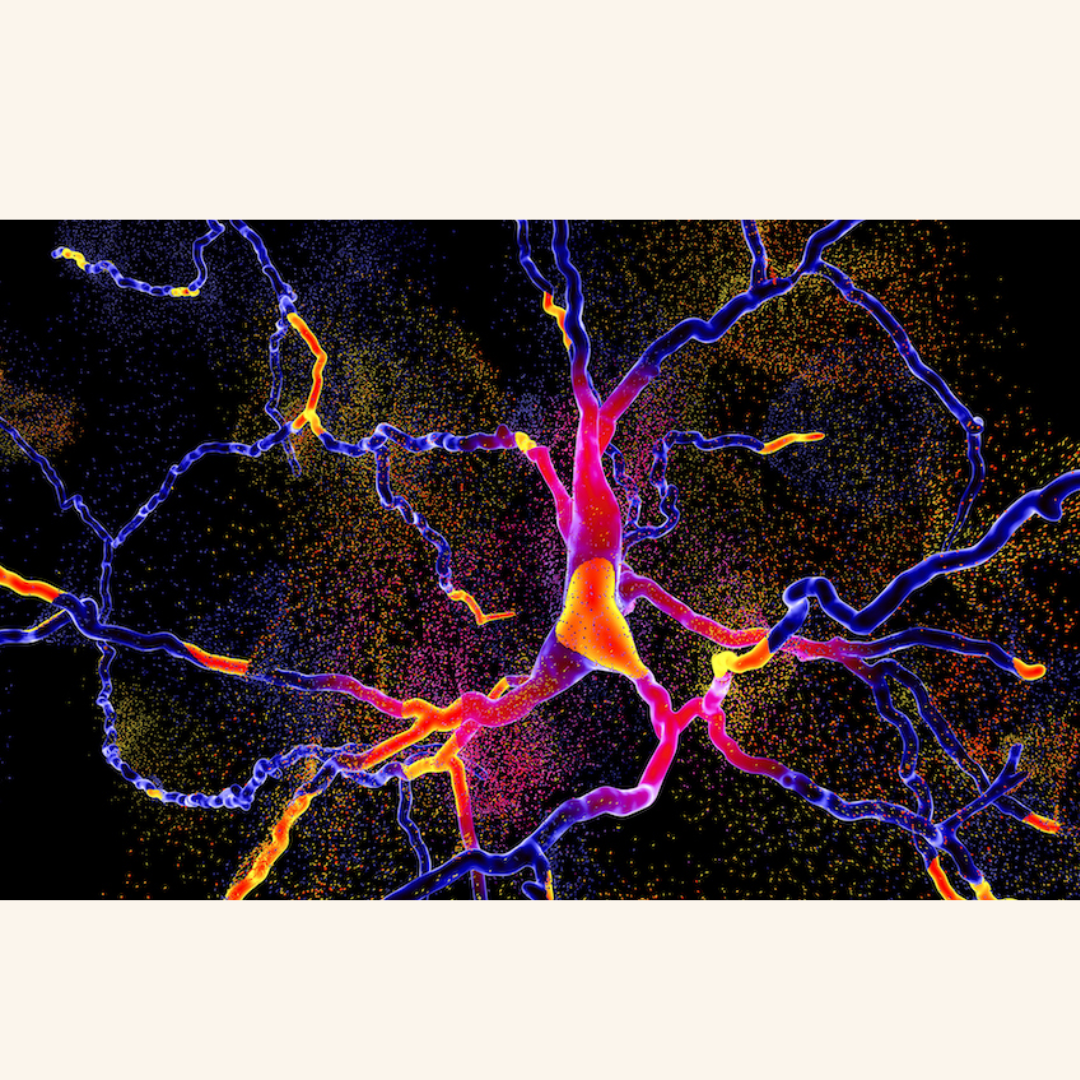
Parkinson’s happens when dopaminergic neurons (the ones that make dopamine) start dying off in the brain. Over time, this leads to the classic symptoms: tremor, stiffness, slowness, and balance problems.
But why do those brain cells die?
It turns out, part of the blame lies with a protein called BAX. Think of BAX as a ‘hitman’ protein. When it's activated, it tells cells to self-destruct in a process called apoptosis—basically, controlled cell death. It’s a normal process in the body—but in neurodegenerative diseases like Parkinson’s, too many cells are dying too fast.
🧪 The Breakthrough: A Molecule That Blocks BAX
The scientists at WEHI used a giant screening process—testing over 100,000 different molecules—to see if any of them could block BAX from triggering cell death.
And they found one: WEHI-3773.
This molecule works like a tiny bouncer. It stops BAX from entering the cell’s mitochondria—the part of the cell where it goes to do its dirty work. Instead, it keeps BAX floating around harmlessly outside.
As one researcher put it:
“For the first time, we could keep BAX away from mitochondria and keep cells alive.”
🧬 A Balancing Act: BAX and BAK
But here’s where it gets even more interesting.
BAX isn’t the only cell death protein. It has a partner called BAK. In most cells, both work together to control cell death. But in brain cells—like the ones affected by Parkinson’s—BAX does most of the damage, while BAK is often dialled down.
That means targeting BAX (and not BAK) is actually a perfect fit for neurons.
And WEHI-3773 seems to do just that:
It blocks BAX, protecting brain cells from dying.
It frees up BAK, which might even help fight certain cancers (more on that below).
💊 Why This Matters for Parkinson’s
This discovery could pave the way for a new type of disease-modifying drug—one that actually slows the progression of Parkinson’s by keeping brain cells alive for longer.
It’s still early days (the molecule hasn’t been tested in humans yet), but the path is clear:
Next steps include animal testing,
Mapping the exact binding sites on proteins,
And eventually (fingers crossed) clinical trials in people with Parkinson’s.
It’s a hopeful shift—from treating symptoms to targeting one of the root causes of the disease.
🧠 Bonus: It Might Help Fight Cancer Too
Interestingly, this molecule might also help people with certain cancers.
In some leukaemias, cancer drugs stop working when BAX is lost or turned off. But WEHI-3773 seems to boost the action of BAK, which could be a clever way to get around that problem and make current cancer treatments more effective.
🚀 So, What’s Next?
The WEHI team will keep digging deeper into:
How BAX and BAK interact inside mitochondria,
Testing WEHI-3773 in models of Parkinson’s and Alzheimer’s,
And hopefully turning this into a drug that can transform treatment for people with neurodegenerative diseases.
As Dr Grant Dewson of the WEHI Parkinson’s Disease Research Centre said:
“Any drug that could stop neurons from dying could be game-changing.”
Let’s hope that future is closer than we think.
Comments (0)
Loading comments...