


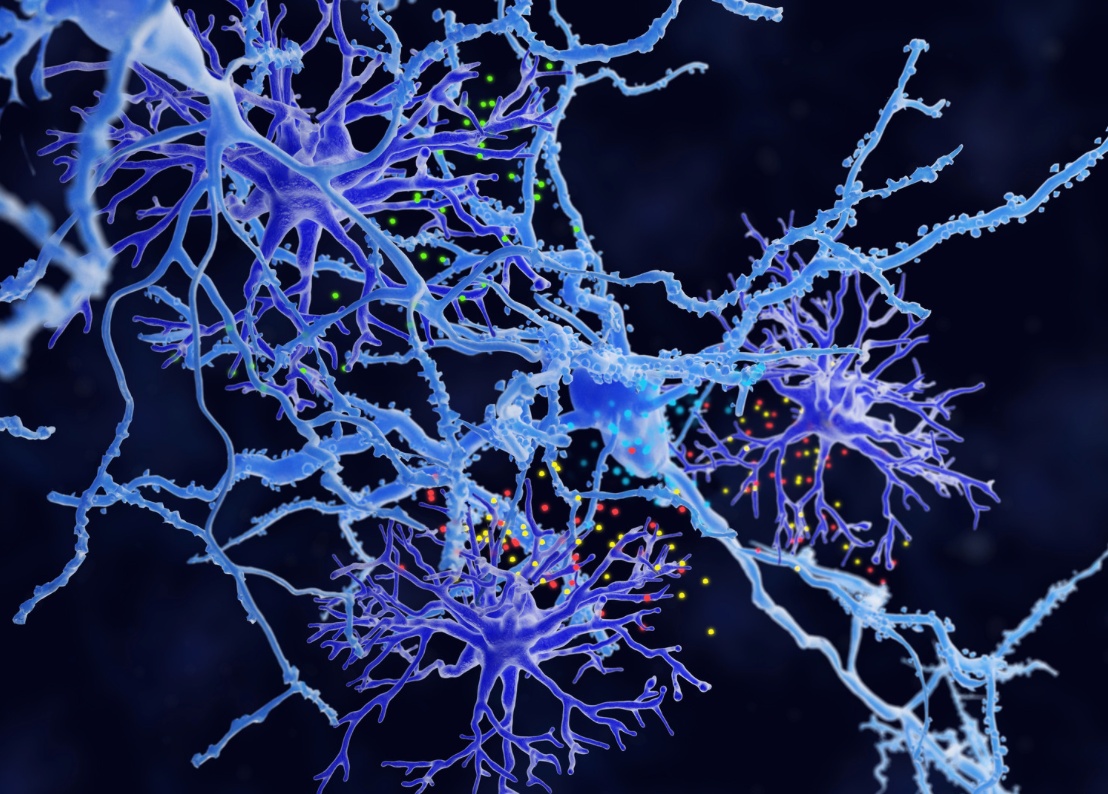
Aging microglia may offer therapeutic targets for Parkinson’s
January 25, 2025
 LeahJS
As microglia, the brain's immune cells, age, they become less effective at responding to inflammation and protecting the brain, potentially increasing the risk of neurological diseases like Parkinson’s, according to a recent study. Researchers at the Karolinska Institutet studied lab-grown microglia from young and old mice and found that older microglia reacted less robustly to inflammation.
The study also identified changes in the activity of specific genes associated with aging in both mouse and human microglia. For example, the SLC16A3 gene, which helps transport lactate for energy, was more active in aged microglia, while the P2RY13 gene, crucial for sensing signals, was less active. These findings were confirmed in human brain tissue, with aged microglia showing increased levels of MCT4 (the protein encoded by SLC16A3) and decreased levels of P2RY12 (a protein aiding microglial movement).
The researchers emphasized that understanding these age-related changes in microglia offers valuable insights into the development of brain diseases and highlights potential therapeutic targets to slow or reverse the effects of aging on these critical immune cells.
Comments (0)
Loading comments...