


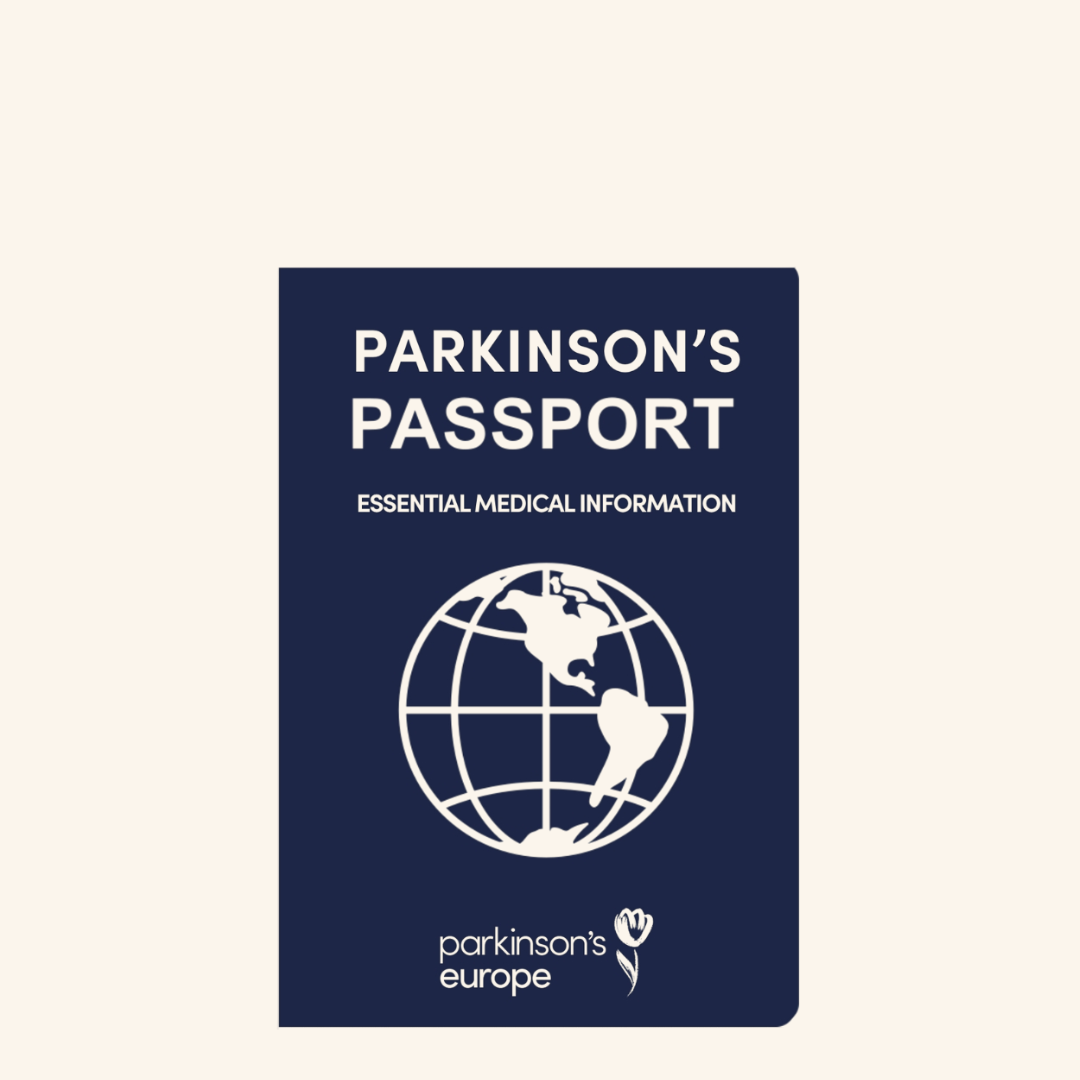
The Parkinson’s Passport – Your Travel Must-Have
June 11, 2025
If you’re living with Parkinson’s and planning a trip, the Parkinson’s Passport is a brilliant resource worth printing out and packing. Created by Parkinson’s Europe, it’s a free, downloadable document that can help explain your condition, treatment needs, and symptoms—especially when you're far from home, in unfamiliar settings, or dealing with a language barrier.
What Is It?
The Parkinson’s Passport is a clear, easy-to-understand summary of your Parkinson’s-related needs. It includes information about your medication schedule, symptoms, mobility or communication challenges, and what support you might need. It’s designed to be shared with travel staff, emergency responders, or healthcare professionals—helping avoid confusion and ensuring you’re supported properly, wherever you are.
Why It’s So Helpful
Quick medical reference: It keeps all your important Parkinson’s details in one place.
Breaks the language barrier: Available in several languages so local staff can understand what you need.
Reduces stress: You won’t need to explain your condition from scratch if you’re tired or in a hurry.
Offers peace of mind: You know that your needs are clearly spelled out, no matter the situation.
Top Travel Tips for People with Parkinson’s
Here are some extra travel tips from Parkinson’s Europe to help make your journey smoother:
1. Stick to your routine.
Try to maintain your usual schedule—especially when it comes to medication times. Set alarms or ask travel companions to help you stay on track.
2. Don’t overdo it.
Build in rest time. Aim for shorter days out and avoid planning too much in one go. Listen to your body.
3. Bring a medical kit.
Carry your Parkinson’s Passport, a full medication supply, spare batteries (if you use any devices), a doctor’s letter, and copies of prescriptions.
4. Think ahead.
Book assistance at airports or stations in advance. Check accommodation for accessibility and whether meals or fridges (for meds) can be arranged.
5. Stay hydrated and nourished.
Travelling can disrupt your usual eating and drinking patterns. Keep water handy and eat regularly to maintain energy and stability.
6. Keep moving, gently.
Try to include light activity—stretching, short walks, or even seated exercises can help prevent stiffness and maintain circulation.
Comments (0)
Loading comments...