


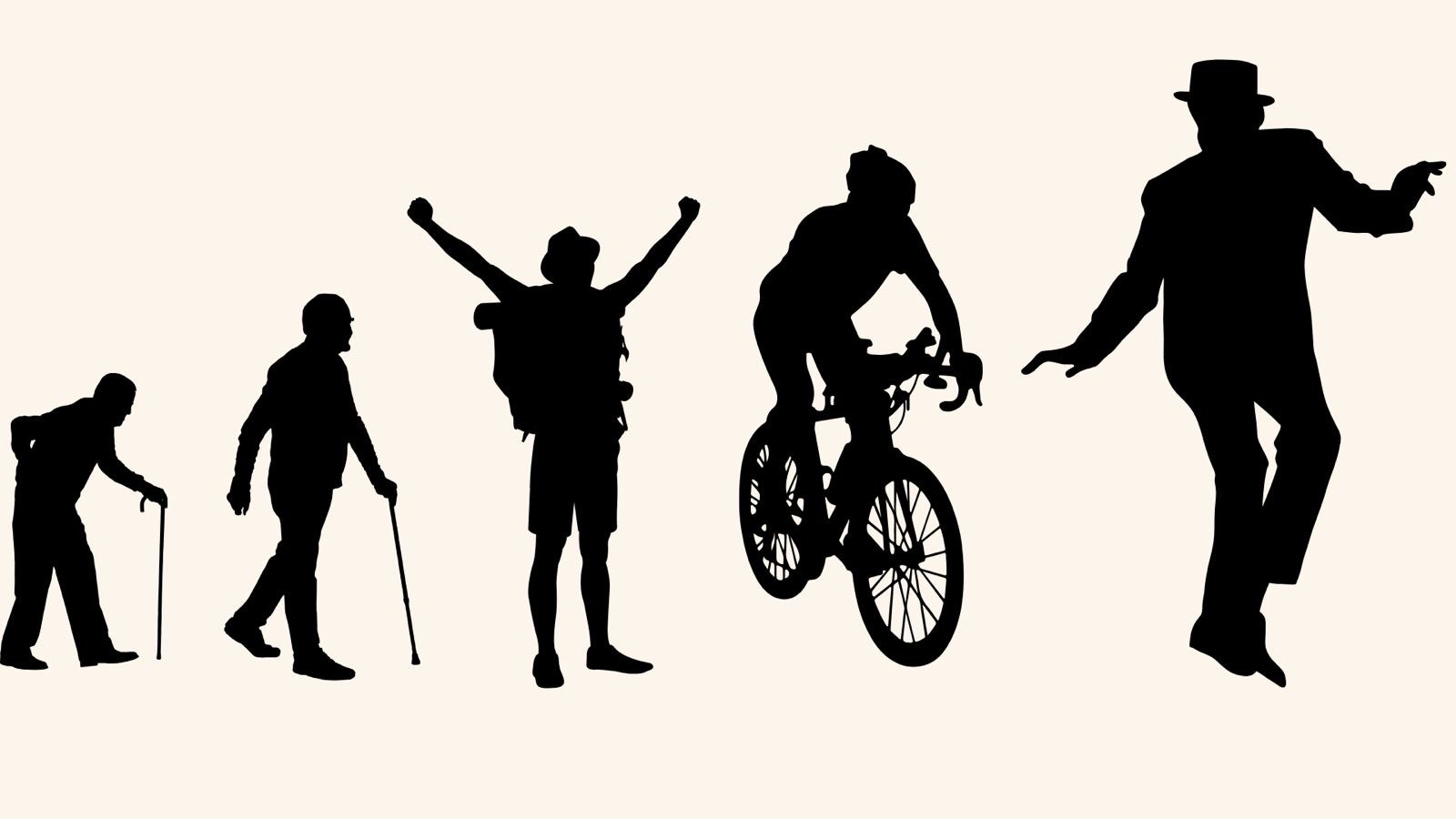
The Parkinson’s Shift: From Survival to Thriving
April 9, 2025
Parkinson’s Awareness Month Special
Ten years ago, if you’d asked what the future looked like for someone living with Parkinson’s disease, the answer would have been far more bleak than it is today. Back then, the condition was seen almost entirely as a progressive, degenerative disorder — a one-way path that slowly stripped away control.
But the outlook is changing — and quickly. The last decade has seen a dramatic transformation in Parkinson’s research and care, bringing fresh hope to people living with the condition. And while there’s still work to be done, we’re now seeing a future where Parkinson’s may become a manageable chronic condition — much like diabetes — rather than a relentless decline.
Even better, with early intervention and new technologies, there’s real hope that we may eventually be able to stop Parkinson’s in its tracks — or even prevent it altogether.
Back Then: Broad Strokes and Blind Alleys
At PD Buddy, we’ve been closely following the research over the years — and yes, it can be frustrating. Failed trials, overhyped theories tested on mice, and the emotional rollercoaster of waiting for “the next big breakthrough” can make it hard to stay optimistic.
A decade ago, much of the research focused on general brain cell behaviour — looking at what goes wrong inside neurons. But this wasn’t Parkinson’s-specific. Many studies were also trying to crack mysteries behind Alzheimer’s, ALS, and other neurodegenerative diseases. Unsurprisingly, these broad approaches didn’t get us far when it came to understanding or treating Parkinson’s in a meaningful way.
Now: Sharper Focus, Smarter Science
Fast forward to today and the research landscape looks very different. Scientists now have a much clearer picture of what’s specifically going wrong in Parkinson’s. There’s a sharper focus on the biology unique to this condition — like what causes dopamine-producing neurons to die, and how that process might be interrupted.
Researchers are also diving into areas once considered peripheral: the gut, infections, mitochondria, even environmental toxins. There’s growing evidence that Parkinson’s might not start in the brain at all. It could begin elsewhere — say, in the digestive system or even through exposure to certain chemicals — and only later affect the brain.
More Than Just Tremors: Understanding Non-Motor Symptoms
One of the most important shifts is recognising that Parkinson’s isn’t just about movement problems. Non-motor symptoms like anxiety, depression, sleep issues, fatigue, and digestive trouble are often more debilitating — and they frequently show up years before the classic tremor appears.
These symptoms were often overlooked or misunderstood. But that’s changing. Researchers and clinicians are now placing greater emphasis on treating non-motor symptoms alongside motor issues. The result? People with Parkinson’s are getting more holistic care and better support for the full range of challenges they face.
AI Joins the Fight
Artificial Intelligence is beginning to play a key role in accelerating Parkinson’s research. Tools like AlphaFold, which can predict how proteins fold (or misfold), are helping scientists unlock crucial biological insights. Misfolded proteins like alpha-synuclein are central to Parkinson’s pathology, so understanding them is vital.
AI is also being used to analyse enormous data sets and spot patterns too complex for humans to see — making drug discovery faster, smarter, and more collaborative. It’s still early days, but AI is poised to reshape both academic and pharmaceutical research in the years to come.
Self-Care: People with Parkinson’s Taking the Lead
Another remarkable shift is the way people with Parkinson’s are now taking more control over their own care. The days of being passive patients are long gone. Today, people are better informed, better educated about their condition, and actively engaged in managing it.
From physical activity routines and medication tracking to mindfulness, diet, and community support, there’s a growing movement of empowered people using tools (like PD Buddy!) to take their care into their own hands. This mindset isn’t just empowering — it’s essential for living well with Parkinson’s.
Self-care isn’t selfish — it’s strategic. Looking after your gut health, staying active, monitoring your sleep, and building a strong support network can all help manage symptoms and improve overall quality of life.
The Rise of Personalised Care
Alongside this shift in self-care, we’re also seeing a bigger emphasis on personalised care. Parkinson’s looks different for everyone — so why should treatments be one-size-fits-all?
Thanks to tech, wearables, and more detailed health tracking, we’re moving towards tailored approaches: treatments and routines that adapt to your symptoms, your lifestyle, and even your biology. Whether it’s customised medication plans, gut-focused interventions, or AI-informed therapy options, personalised care is turning Parkinson’s into something far more manageable than it once was.
A Future Worth Fighting For
The change we’re seeing in Parkinson’s research isn’t just academic — it’s deeply personal. It’s about giving people real quality of life and real reasons to hope. While we haven’t found the cure yet, the direction of travel is clear. We’re no longer just surviving with Parkinson’s — we’re learning how to thrive with it.
So this Parkinson’s Awareness Month, let’s celebrate how far we’ve come — and look forward to the journey ahead.
Because the future for people with Parkinson’s?
It’s brighter than it’s ever been.
Comments (0)
Loading comments...