


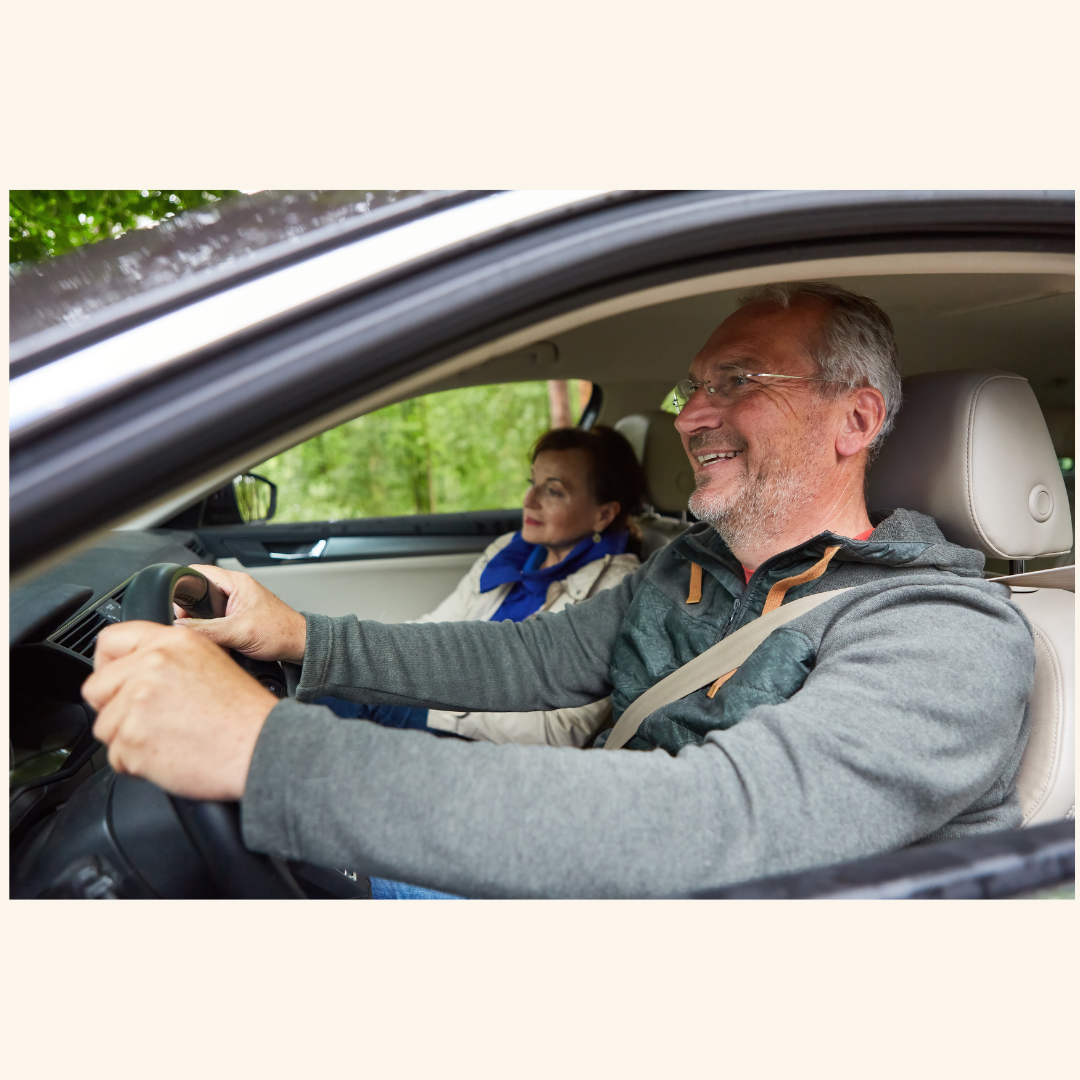
Driving and Cognitive Challenges in Parkinson’s Disease
January 27, 2025
Driving requires a blend of cognitive and motor skills, both of which can be affected by Parkinson’s disease. As the condition progresses, changes in cognition can make driving more challenging and potentially unsafe. Recent studies have explored how PD impacts driving, the broader effects on patients’ lives, and ways to support safe driving for those with the condition.
How Parkinson’s Affects Driving
Research has found that individuals with PD face unique challenges behind the wheel. A driving simulation study showed that people with PD are more likely to be involved in collisions and often have less effective gaze patterns. Instead of focusing on important visual cues, their gaze is more random, leading to poorer driving performance. This suggests that cognitive functions like attention and visual processing are just as critical as motor skills for safe driving.
Additionally, driving difficulties in PD aren’t solely linked to motor symptoms. Cognitive and behavioural changes, such as slower information processing and impulsive decisions, play a significant role. Experts stress the importance of clinical tools to help healthcare providers decide when patients should undergo driving evaluations.
Impact on Quality of Life
Losing the ability to drive can have a significant impact on a person’s lifestyle. A survey of people with PD found that many adapted their driving habits, such as avoiding long trips or night driving, to stay safe. However, for some, the loss of driving meant challenges with employment, socialisation, and increased travel costs, affecting their overall quality of life.
Promising Solutions
Emerging research points to potential solutions:
Real-world driving data: A pilot study suggests that tracking driving behaviour could serve as a digital marker for monitoring PD symptoms and treatment effectiveness. For example, higher doses of dopaminergic medication were linked to better driving mobility, showing how effective treatment can help maintain independence.
In-vehicle technology: Automated systems that provide driving assistance and reduce cognitive load are showing promise for supporting drivers with PD. These technologies could enhance safety and help individuals with PD drive more confidently.
Looking Ahead
Driving impairment is a critical challenge for people with Parkinson’s, affecting both safety and quality of life. Ongoing research and technological advancements offer hope for better tools and interventions to support drivers with PD, helping them maintain independence while staying safe on the road.
Comments (0)
Loading comments...