


Breakthrough Discovery Links Immune System to Parkinson’s Progression
October 9, 2024
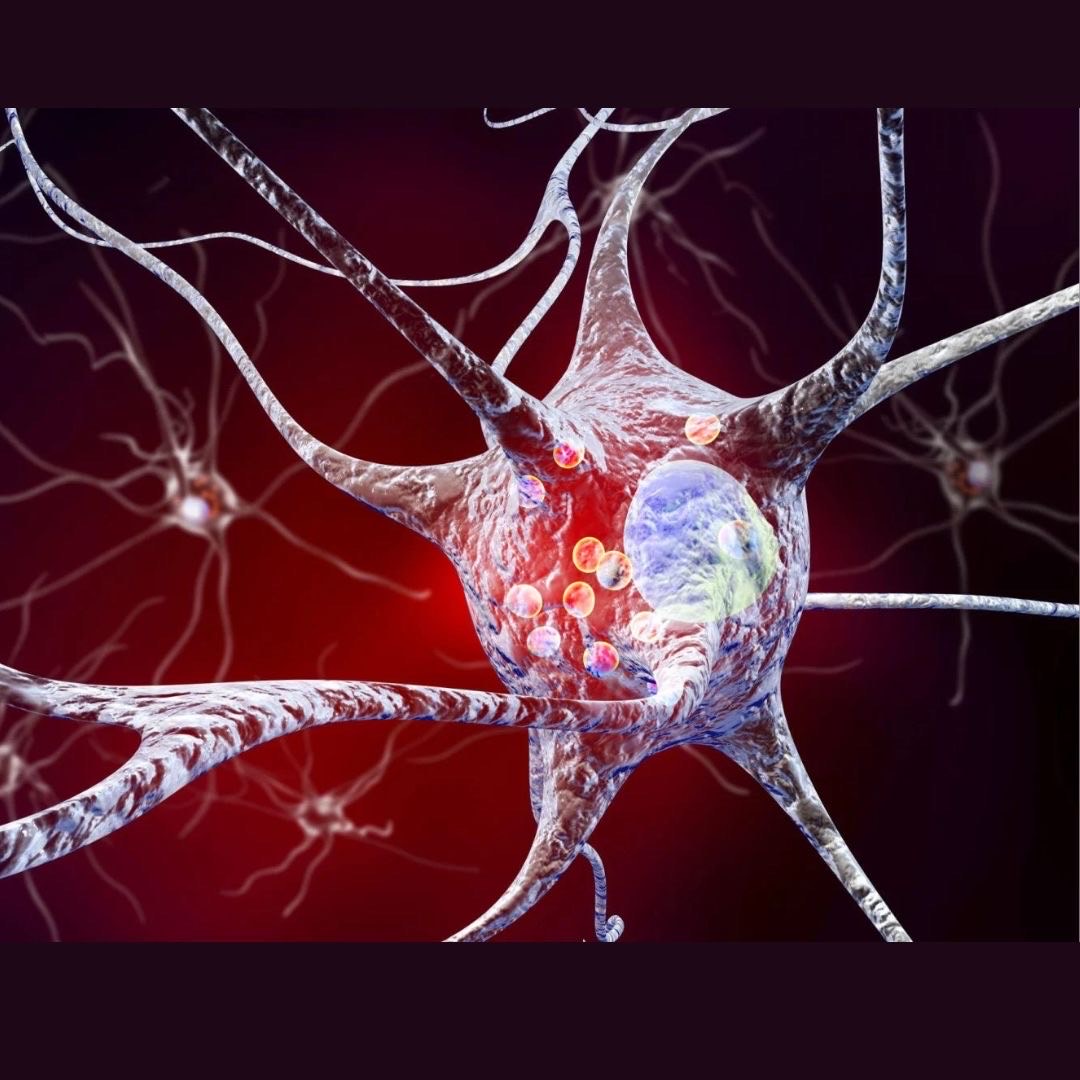
Researchers have found a way to recreate Lewy bodies—clumps of proteins linked to Parkinson’s disease—in human brain cells, which offers new insights into how they form. Lewy bodies only develop under specific conditions, particularly when a protein called alpha-synuclein combines with an immune response in vulnerable neurons, like those affected in Parkinson’s. This breakthrough helps us better understand how the immune system and these protein clumps interact, and it could lead to new treatments for Parkinson's.
Lewy bodies are a hallmark of Parkinson’s and other brain disorders, and understanding their development is key to improving treatment. Previously, they could only be studied in brain tissue after death, but now scientists at McGill University have successfully replicated them in living neurons using human stem cells.
The key finding of the study is that Lewy bodies only form in certain brain cells (dopaminergic neurons) when exposed to both alpha-synuclein and an immune trigger. Without the immune response, these clumps don’t appear. This discovery could shift how treatments are developed, as it reveals that Parkinson's may not just be linked to genetic factors but also environmental ones.
The research shows that the immune response in these neurons blocks their ability to clear out damaged material, leading to the buildup of Lewy bodies. This deeper understanding of how Lewy bodies form could guide future research and drug development for Parkinson's and related diseases.
Comments (0)
Loading comments...