


Australia and the US Neurologists Urge Paraquat Ban Over Parkinson's Link
October 28, 2024
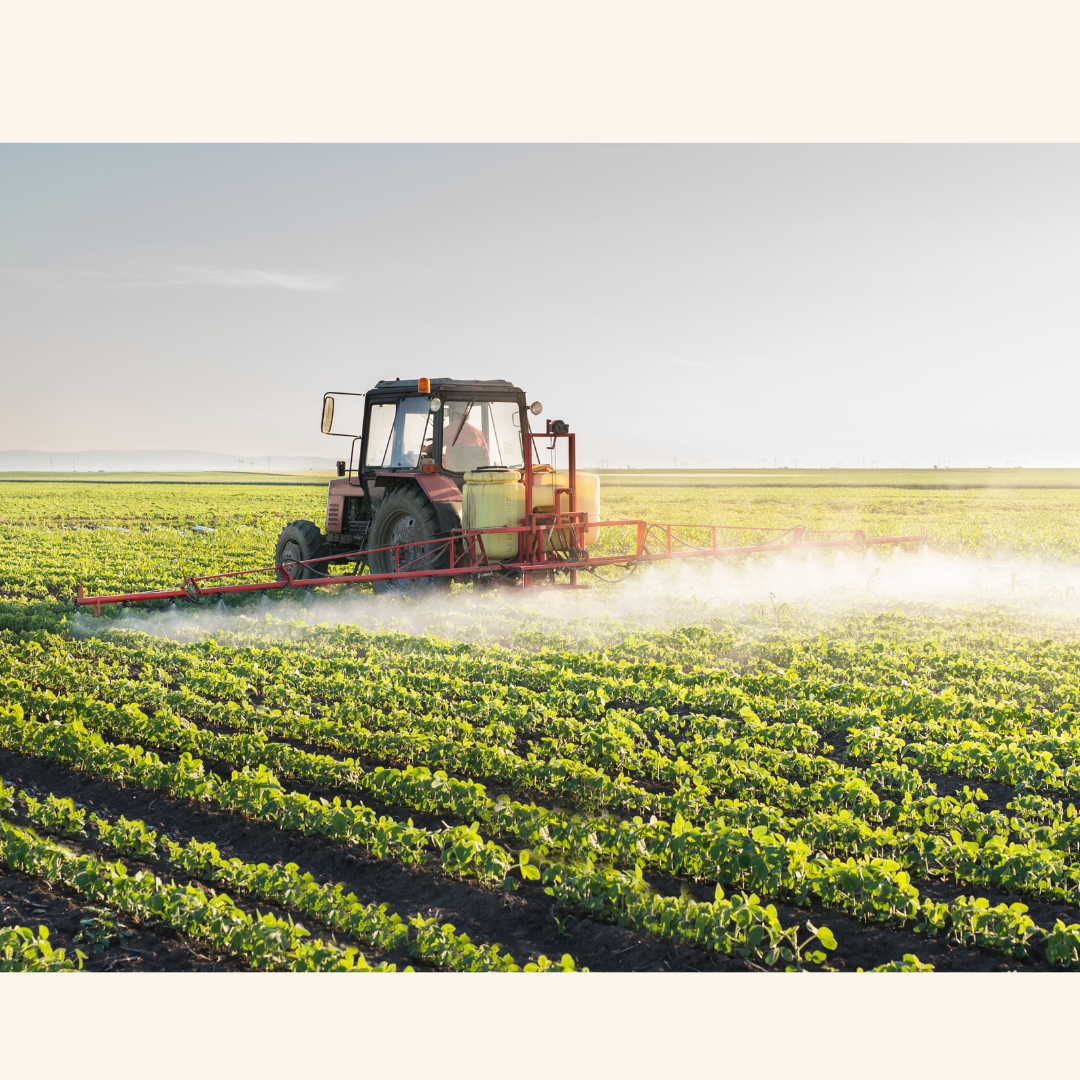
Australian neurologists are calling for a ban on paraquat, a widely used but controversial herbicide, due to its suspected link to Parkinson's disease. Paraquat has been under review by the Australian Pesticides and Veterinary Medicine Authority (APVMA) for nearly three decades, with recent recommendations suggesting stricter usage guidelines. However, neurologists are pushing for an outright ban, citing a strong connection between the chemical and Parkinson's.
Western Australia-based neurologist Dr. David Blacker, himself diagnosed with early-onset Parkinson’s in 2018, has led the effort. Gathering over 40 signatures from neurology experts, including movement disorder specialists and professors, he submitted a petition to the APVMA. Dr. Blacker believes that environmental factors, particularly exposure to toxins like pesticides, play a key role in Parkinson’s development. Reflecting on his diagnosis and increased symptoms, he noted, “The medical evidence is now very strong.”
This movement is backed by influential organizations such as the Movement Disorder Society of Australia and New Zealand (MDSANZ), which called paraquat use a critical public health issue. Professor Carolyn Sue, MDSANZ president, urged immediate action, arguing, “The health risks associated with this herbicide far outweigh any potential benefits.”
Despite these calls, farm groups like Grain Producers Australia (GPA) and the National Farmers Federation (NFF) argue that paraquat is essential for sustainable farming and soil health. GPA interim CEO Pete Arkle pointed to strict safety protocols and personal protective equipment that can minimize exposure risks, asserting that reverting to other weed control methods could harm the environment.
The paraquat debate has drawn international attention, with U.S. neurologists like Professors Ray Dorsey and Michael Okun of Rochester University writing to the APVMA. They highlighted a 150% increased risk of Parkinson’s for those exposed to paraquat and noted that even those living near treated areas face doubled risks.
While paraquat remains classified as a highly toxic substance, with strict usage regulations, Australia remains one of the few developed countries that has not yet banned it. The APVMA is expected to make a final decision on paraquat’s future in early 2025. Paraquat has been banned in the European Union since 2007. China also banned the domestic use of Paraquat in 2017; so followed Thailand in 2019 and Brazil, Chile, Malaysia, Peru and Taiwan between 2020 and 2022. In the United States, paraquat is available primarily as a solution in various strengths.
Comments (0)
Loading comments...