


Parkinson’s Disease Bradykinesia, Forward Posture, and Drug-Induced Pisa Syndrome Alleviated With Traditional Japanese Acupuncture: A Case Report
November 15, 2024
 LeahJS
A recent case report highlights the potential of traditional Japanese acupuncture in improving symptoms of Parkinson’s disease (PD) and its associated Pisa syndrome (PS), a postural deformity where the trunk bends to one side. The report focuses on a 58-year-old man with a four-year history of PD, who experienced bradykinesia, forward posture, and a newly developed right-side trunk bend. These issues persisted even after adjustments to his medication.
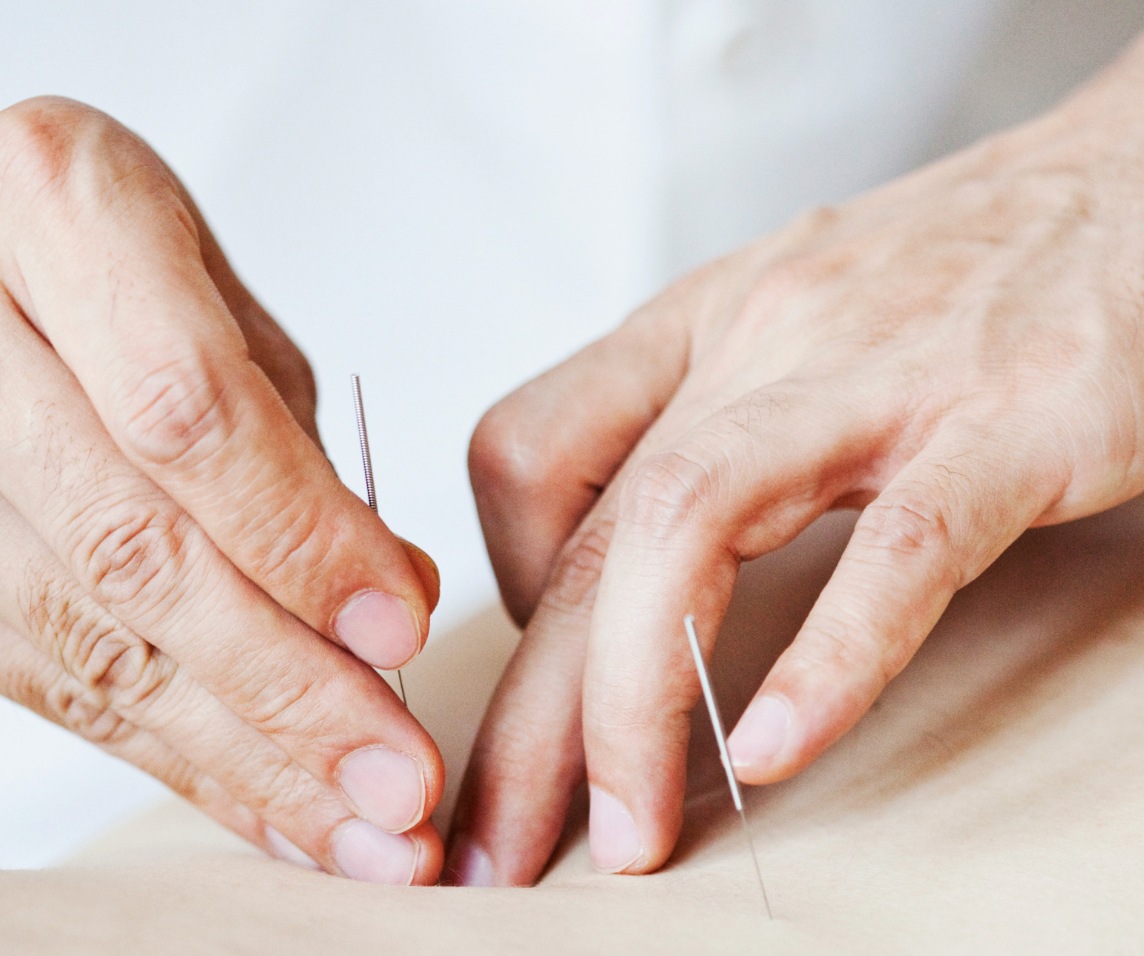
Using Hokushin-kai, a style of Japanese acupuncture, treatment was provided weekly over ten weeks. This approach used one or two needles per session, targeting specific acupoints based on traditional Japanese medicine diagnoses, such as patterns of “liver stagnation” and “kidney deficiency.” Remarkable improvements were observed: the patient’s posture became more upright, walking ability improved, and his motor and quality-of-life scores showed significant gains. The Cobb angle, measuring trunk bending, reduced from 45° to 32°.
The study suggests that acupuncture may complement existing PD treatments by relaxing muscle tension and potentially supporting dopamine pathways. While more research is needed, especially on long-term effects, this case highlights acupuncture as a promising non-invasive option for managing PD symptoms and improving patient quality of life.
Comments (0)
Loading comments...