


Effects of Immersive Virtual Reality on Balance in People With Parkinson’s Disease
August 16, 2025
 LeahJS
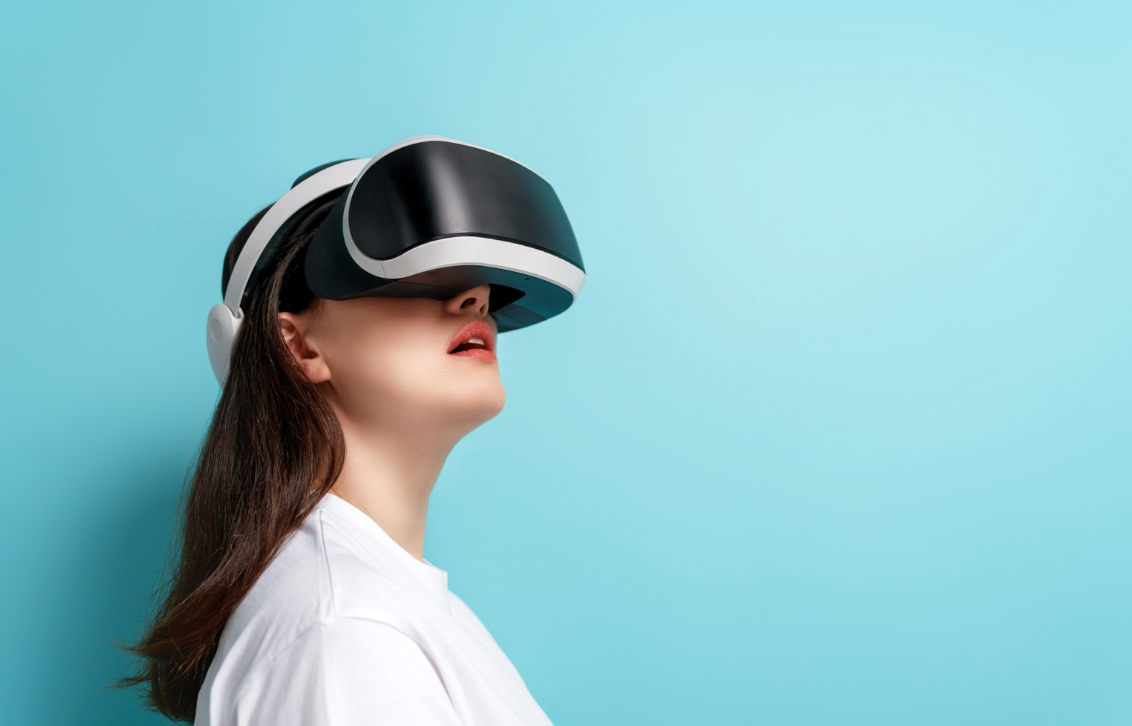
A small study explored the potential of immersive virtual reality (IVR) to improve balance in five people with Parkinson’s disease. Over four weeks, participants completed eight 40-minute sessions combining traditional physiotherapy exercises for trunk and leg muscles with VR-based balance challenges, including movements, reactive tasks, and simple mental exercises performed simultaneously.
Key Findings
Balance Improvements: All participants showed meaningful improvements, especially in preparing for movement and maintaining stability while walking.
Enhanced Functional Mobility: Participants moved more confidently and safely during daily activities.
Walking Speed & Strength: Some participants experienced gains in walking speed and leg strength, supporting overall mobility.
Quality of Life Boost: Most participants reported feeling more capable in daily life and experiencing better overall well-being.
High Satisfaction & Safety: The program was well-received, with no adverse effects reported.
Importance & Implications
This study highlights the promising role of VR-based training as a complementary therapy for Parkinson’s disease. By improving balance and mobility, IVR programs may help reduce the risk of falls, enhance independence, and improve quality of life. While results are preliminary due to the small sample size, they suggest that technology-driven interventions could become a valuable part of Parkinson’s rehabilitation, offering engaging and potentially effective ways to support daily function.
Comments (0)
Loading comments...