


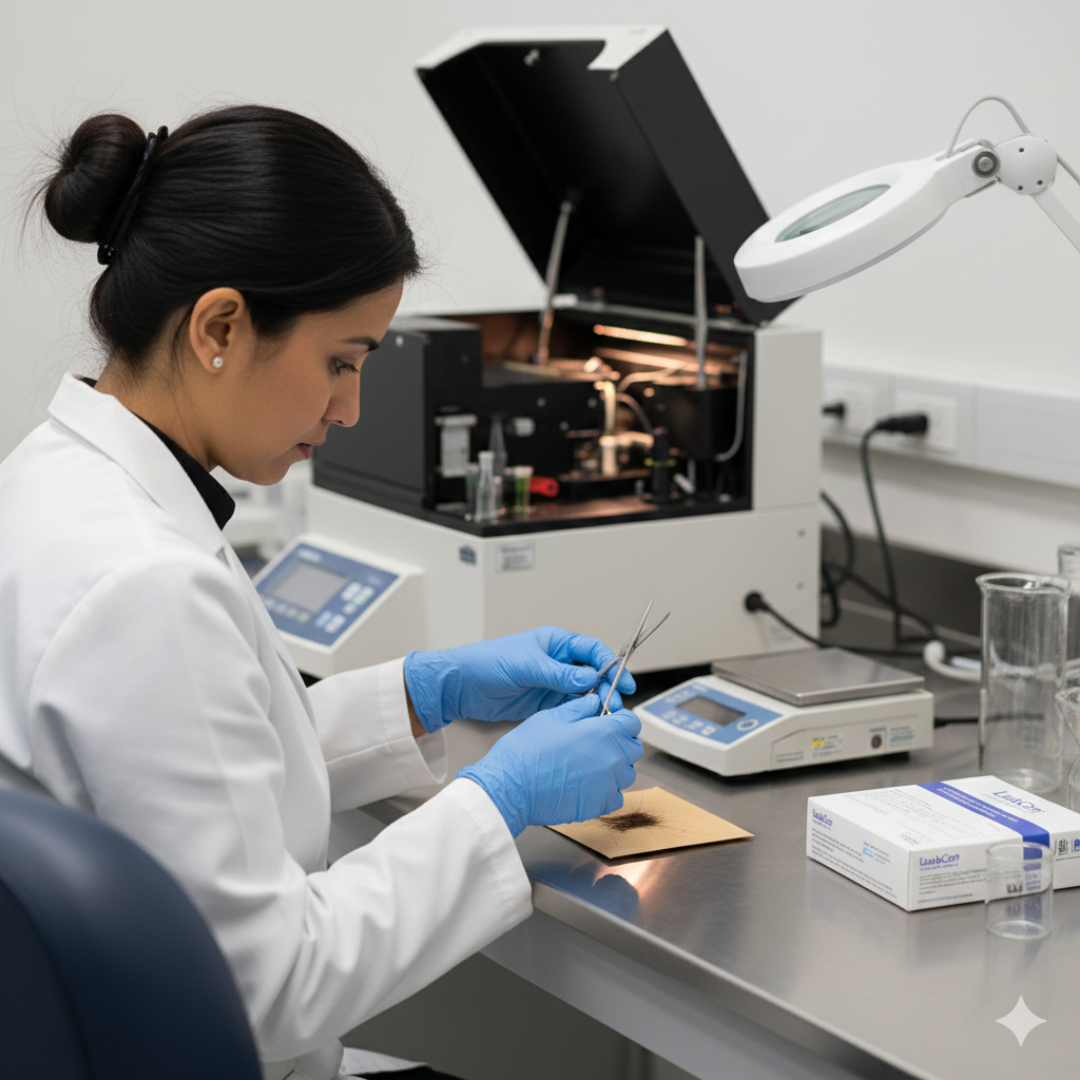
Heavy Metals and Parkinson’s: What a New Study Reveals About the Secrets in Our Hair
February 19, 2026
While much of the conversation around heavy metals focuses on what causes the condition, the real importance of this new research lies in what it means for those of us already living with it. The study in iScience—and the broader medical research surrounding it—suggests that toxic metals like arsenic, cadmium, and antimony aren't just bystanders; they can actively interfere with how the condition progresses and how well your brain manages symptoms.
For someone already diagnosed, these heavy metals act like "biological grit" in the machinery of your brain. Here is the breakdown of why monitoring your levels is a vital part of your long-term strategy.
Accelerating the Clumping of Proteins
The hallmark of the condition is the clumping of a protein called alpha-synuclein. Research has shown that heavy metals like arsenic and cadmium act as catalysts, essentially "glueing" these proteins together faster than they would naturally. This accelerated clumping can lead to a more rapid loss of dopamine-producing cells, which may influence how quickly motor symptoms evolve.
Fueling the Fire of Neuroinflammation
Think of heavy metals as constant irritants to your brain's immune system. Toxic metals activate the microglia—the brain's resident "defence cells"—keeping them in a permanent state of high alert. This chronic neuroinflammation creates a hostile environment for your remaining healthy neurons. By identifying and reducing these toxins, you are effectively "lowering the temperature" in your brain, allowing your natural compensatory pathways to work more efficiently.
Interfering with Energy Production
Our brain cells require a massive amount of energy to function, produced by tiny "power plants" called mitochondria. The study found that high levels of antimony and cadmium directly damage these power plants. For someone with the condition, whose mitochondria are already under strain, this extra toxic load can lead to increased fatigue, "brain fog," and a reduced ability for the brain to repair itself.
The Good News: You Can Take Action
The most empowering takeaway is that, unlike our genetics, our "metal fingerprint" is something we can actually influence. Because hair testing provides a long-term record of your exposure, it gives you a clear starting point for a personalised plan.
How to do a Hair Tissue Mineral Analysis (HTMA) at home:
The process is simple, non-invasive, and doesn't require a doctor's referral. You can find a Hair Mineral Analysis Test Kit on Amazon or through specialist health labs.
Sample Collection: You only need a small amount of hair (about a tablespoon). Take the sample from the back of your head, as close to the scalp as possible, to get the most recent data.
Easy Posting: Place the sample in the envelope provided and send it to the lab.
Detailed Results: You will receive a report showing your levels of toxic metals like lead and mercury, alongside essential minerals like magnesium and zinc.
By knowing your levels, you can work with a specialist to focus on "chelation" (naturally nudging metals out of the body) through diet, better water filtration, or specific antioxidants like Glutathione. It’s all about removing the "grit" from the machine so you can stay better for longer.
Comments (0)
Loading comments...