


Clinical trial shows specialised acupuncture eases Parkinson's symptoms
September 23, 2026
 Beatrice
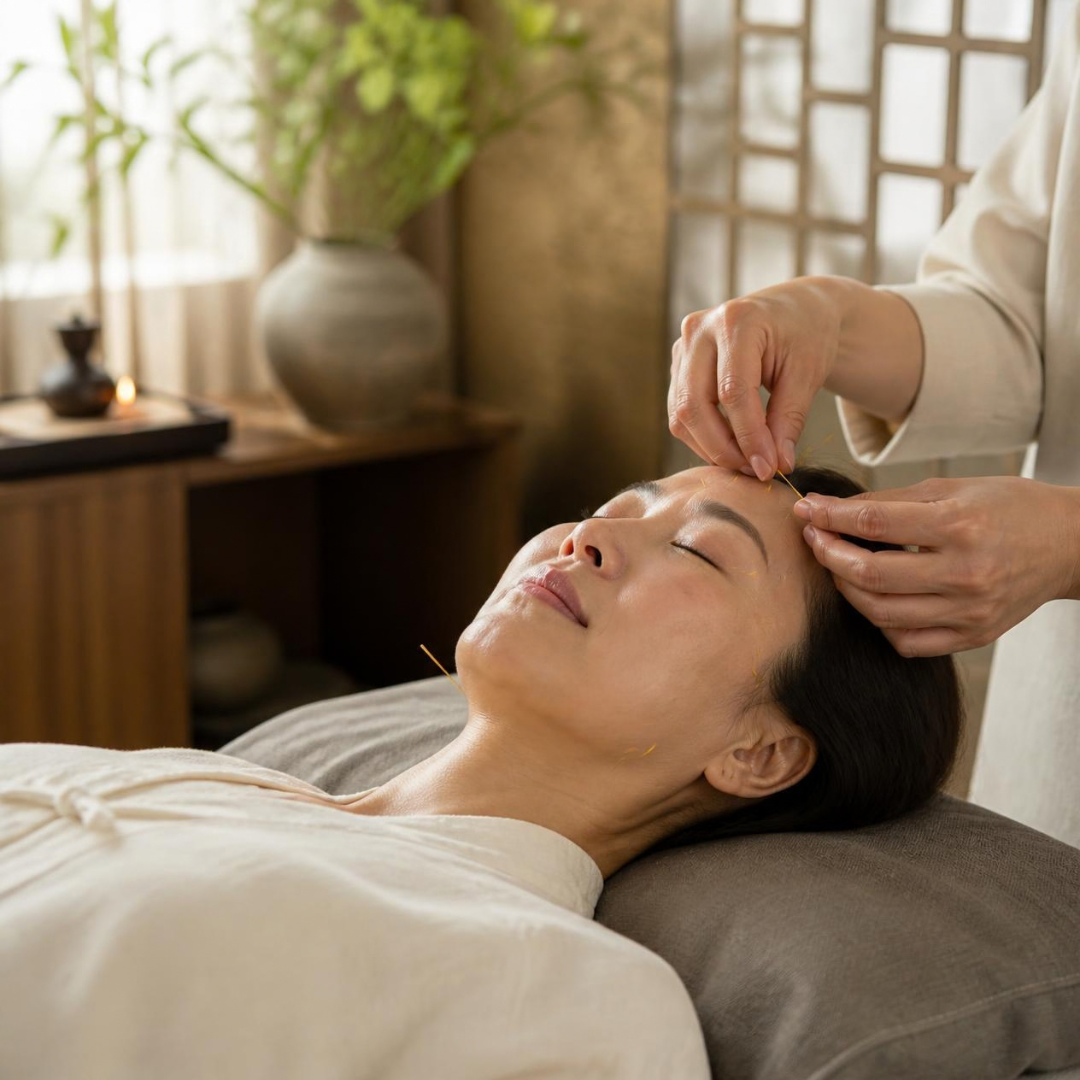
A specialised form of acupuncture known as Qihuang needle therapy has shown encouraging results in easing both movement difficulties and nonmotor symptoms, according to a clinical trial published in the journal Movement Disorders.
Carried out at the First Affiliated Hospital of Guangzhou University of Chinese Medicine by Dr Zhenhu Chen and his team, the study investigated whether this targeted approach could offer genuine relief alongside standard daily medications. Modern medicine does a remarkable job of replenishing dopamine, yet many challenges like balance, walking instability, and day to day fatigue remain stubborn. Finding safe, drug free therapies to support everyday living is therefore a major goal for researchers.
Unlike traditional acupuncture, which typically involves leaving multiple fine needles in place for twenty minutes or longer, Qihuang needle therapy takes a different approach. Practitioners use a hollow, oval tipped needle on just three to five precise points per session. Rather than leaving the needles in, the therapist applies brief, focused manual movements to stimulate the tissue and generate a distinctive sensation known in Chinese medicine as Deqi, often described as a dull ache, warmth, or mild tingling.
The trial followed 140 people who were randomly allocated to receive either the genuine Qihuang therapy or a mock, sham treatment across nine sessions over six weeks. To make the test fair and rigorous, both groups continued their normal prescribed medications. The sham group received shallow needling at inactive points on the body with no manual movement, allowing the researchers to separate the true physiological effect from the power of suggestion.
When movement was measured using the standard clinical rating scale, the group receiving real Qihuang therapy experienced substantial improvements. By the end of six weeks, their movement scores improved by roughly eight and a half points more than the sham group, easily clearing the threshold that doctors consider a meaningful difference in real life. Even more fascinating, this physical advantage expanded four weeks after the final session had finished, suggesting that the benefits do not simply vanish the moment the needles are packed away.
The treatment also lifted overall well being. Participants reported noticeable reductions in nonmotor challenges, such as sleep disruption, mood changes, and gastrointestinal issues, alongside a clearer improvement in their overall quality of life scores. When looking more closely at physical changes, researchers used ultrasound imaging to measure muscle elasticity and found measurable reductions in arm muscle stiffness.
Interestingly, the therapy appeared particularly helpful for people who struggle primarily with walking and balance, an area where standard tablets often struggle to provide sufficient help. People with tremor dominant symptoms also saw gains, though the most pronounced boost occurred in gait stability.
Side effects were minor, mostly limited to slight bruising or tiny spots of bleeding at the needle sites, with nobody leaving the trial due to adverse reactions.
Because this was conducted at a single hospital centre over a ten week observation window, the researchers emphasise that larger, multi centre studies will be needed to confirm how long these positive effects endure over months or years. For now, the trial offers a grounded and welcome sign that targeted, physical therapies can work hand in hand with regular prescriptions to keep people moving more comfortably.
Comments (0)
Loading comments...