


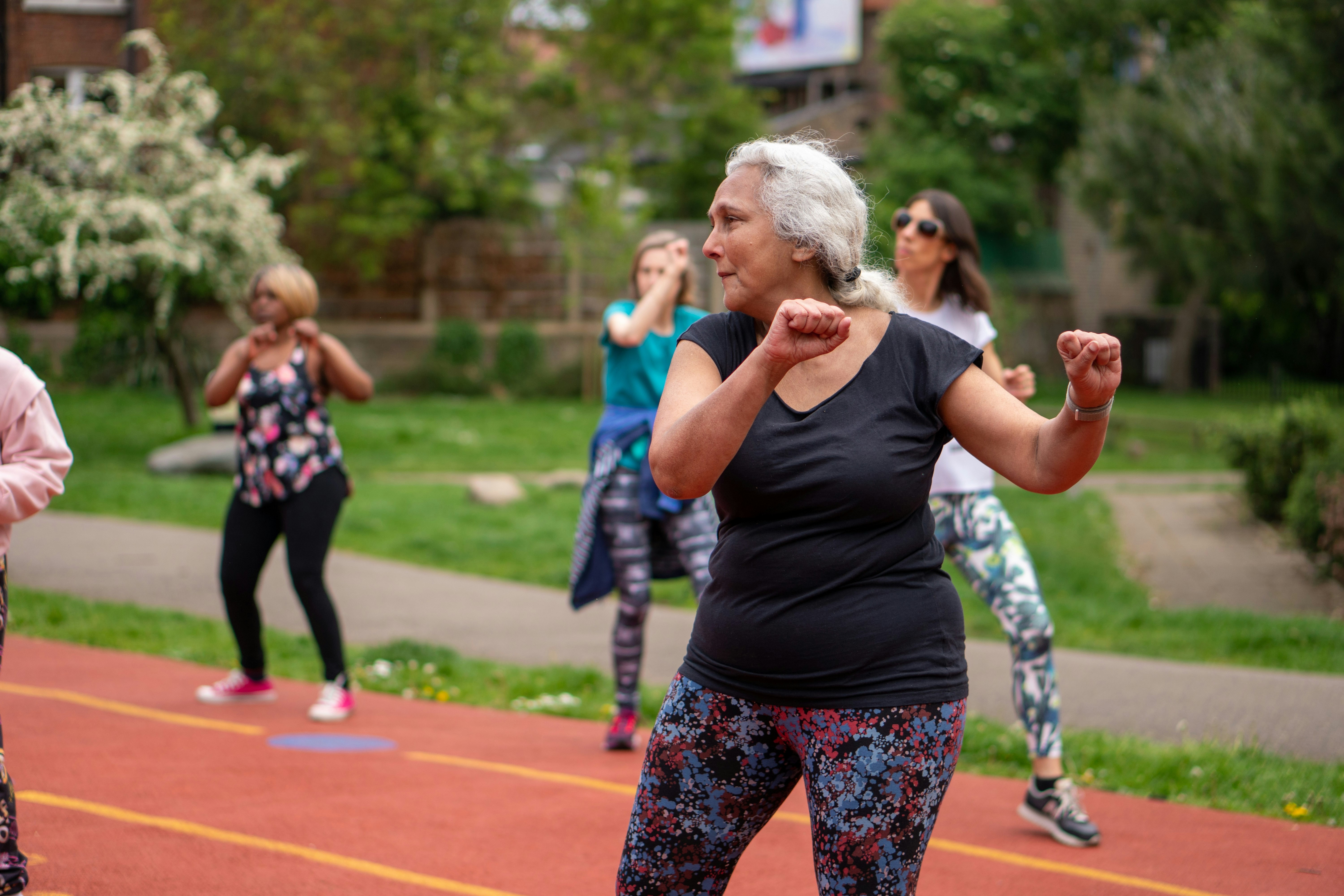
Starting rehabilitation early improves long term survival for people with Parkinson's
July 28, 2026
 Beatrice
Nationwide South Korean study links prompt rehabilitation therapy to longer survival in Parkinson's.
A major real world study published in npj Parkinson's Disease on 27 July 2026 by researchers Yoon, Chang, Heo, and colleagues provides compelling evidence that the timing of physical therapy plays a crucial role in overall life expectancy. Analysing nationwide healthcare records across South Korea, the team tracked outcomes for people with Parkinson's to evaluate how quickly starting structured rehabilitation after diagnosis influences long term survival rates.
To ensure the results were accurate, the research team used advanced statistical methods to adjust for baseline differences among participants, including age, co existing medical conditions, and variations in healthcare access. The findings demonstrated a clear link between early intervention and a reduced risk of all cause mortality. Compared with delaying therapy or starting only when severe symptoms appear, beginning physical therapy early in the condition significantly improves long term survival prospects.
The biological mechanisms behind these findings stem from how early movement impacts the body. Parkinson's often leads to gradual physical decline, reduced stamina, and changes in gait and balance. When rehabilitation begins early, it prevents severe muscle deconditioning and helps maintain activity tolerance before major mobility loss occurs. Maintaining physical capacity directly reduces secondary health risks that frequently lead to serious complications, such as dangerous falls, injuries, and respiratory problems caused by physical immobility.
These results offer practical insights for day to day management. Rather than viewing physical therapy as a reactive tool reserved for managing advanced mobility difficulties, the research supports treating early exercise and targeted rehabilitation as proactive medical treatments. Starting structured balance, gait, and strength training as soon as possible after diagnosis helps protect functional independence, builds long term physical resilience, and directly contributes to better health outcomes over time.
Comments (0)
Loading comments...