


Twelve-month study shows Vyalev continuous skin infusion significantly reduces daily off time and pain in advanced Parkinson's
July 2, 2026
 Beatrice
Real-world data from the ROSSINI study shows that AbbVie’s continuous infusion treatment Vyalev significantly reduces daily off time and dyskinesia for people with advanced Parkinson’s.
On 29 June 2026, healthcare data firm GlobalData highlighted promising twelve month results from an ongoing medical study presented at the 12th Congress of the European Academy of Neurology. The study, named ROSSINI, is tracking how the pharmaceutical company AbbVie's treatment Vyalev performs over three years in routine clinical practice across multiple countries. This specific look at the data focused on people who were completely new to the treatment and had been using it for at least a full year.
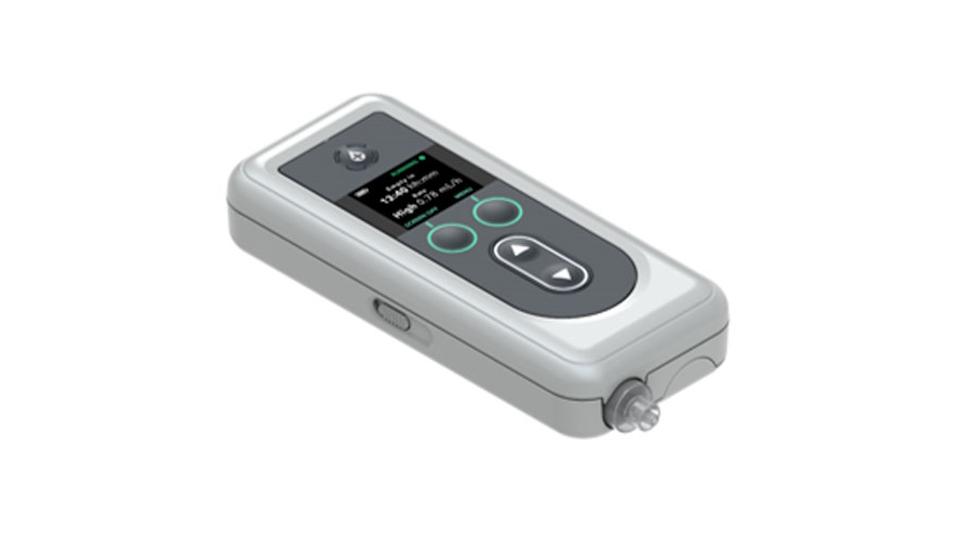
Vyalev is a continuous sub-skin infusion that delivers a liquid combination of foslevodopa and foscarbidopa twenty-four hours a day. It is designed specifically for people with advanced Parkinson's whose motor fluctuations, meaning the unpredictable shifts between moving well and stiffening up, are no longer well managed by traditional oral tablets. Because it uses a small pump to deliver medication steadily under the skin, it provides an alternative to more invasive, surgically implanted intestinal pump systems.
The individuals participating in this part of the study had lived with Parkinson's for an average of twelve years, were around sixty-eight years old, and experienced considerable daily disruptions before starting the treatment. On average, they dealt with nearly five hours of off time daily, when medication wears off and symptoms return, alongside over three hours of dyskinesia, which are the involuntary, jerky movements that can occur when levodopa levels peak.
The twelve month results showed that the steady infusion managed to smooth out these extreme shifts early on, with improvements visible by the second week and maintained throughout the year. Daily off time dropped from an average of 5.2 hours down to 3 hours, giving people more than two extra hours of controlled movement each day. Similarly, troublesome dyskinesia time fell from 3.5 hours down to 1.8 hours.
Beyond movement, the study noted that a steady supply of medication led to significant relief from non-motor symptoms, which often impact daily life just as heavily as mobility issues. Participants reported sustained reductions in Parkinson's-related pain and sleep disturbances, with improvements crossing the threshold of what is considered a highly noticeable, meaningful change for a person's well-being. There were also reported improvements in digestive function and fewer instances of freezing of gait, where feet feel temporarily glued to the floor.
When examining overall quality of life, the researchers noticed a particularly interesting trend among younger participants who had been living with the condition for a shorter duration. While the entire group saw modest quality of life improvements, this younger subgroup experienced a much more pronounced, statistically significant benefit. This pattern suggests that starting a continuous delivery treatment earlier in the progression of advanced symptoms, rather than waiting, might offer a greater boost to how a person perceives their daily well-being.
From a practical standpoint, the study found that after the first month of adjusting and optimising the pump settings, the daily dosage rates remained remarkably stable for the rest of the year. This consistency indicates that the treatment is relatively straightforward to manage in everyday life once the initial setup is complete.
The safety findings matched what doctors typically expect from therapies delivered via a skin pump. Around seventy-four percent of participants experienced some form of side effect, with twenty-eight percent experiencing a serious event and eleven percent choosing to stop the treatment entirely. The most frequent issues reported were skin infections or reactions at the site where the pump needle sits under the skin, as well as hallucinations. Six deaths occurred during the tracking period, though all were confirmed to be entirely unrelated to the medication itself.
While the results are highly encouraging, the authors of the report noted a few built-in limitations. Because ROSSINI is an observational study tracking real-world use rather than a strictly controlled laboratory experiment, it relies heavily on self-reported patient diaries. Furthermore, a technical glitch caused missing data regarding specific movement times for about fifty participants, though this did not alter the overall symptom scores. Longer-term data from the remainder of the three year study will help clarify just how long these benefits last and which individuals stand to gain the most from making the switch.
Comments (0)
Loading comments...