


More than half of people with Parkinson’s unsure about what questions and symptoms to share with doctor
July 3, 2026
 Beatrice
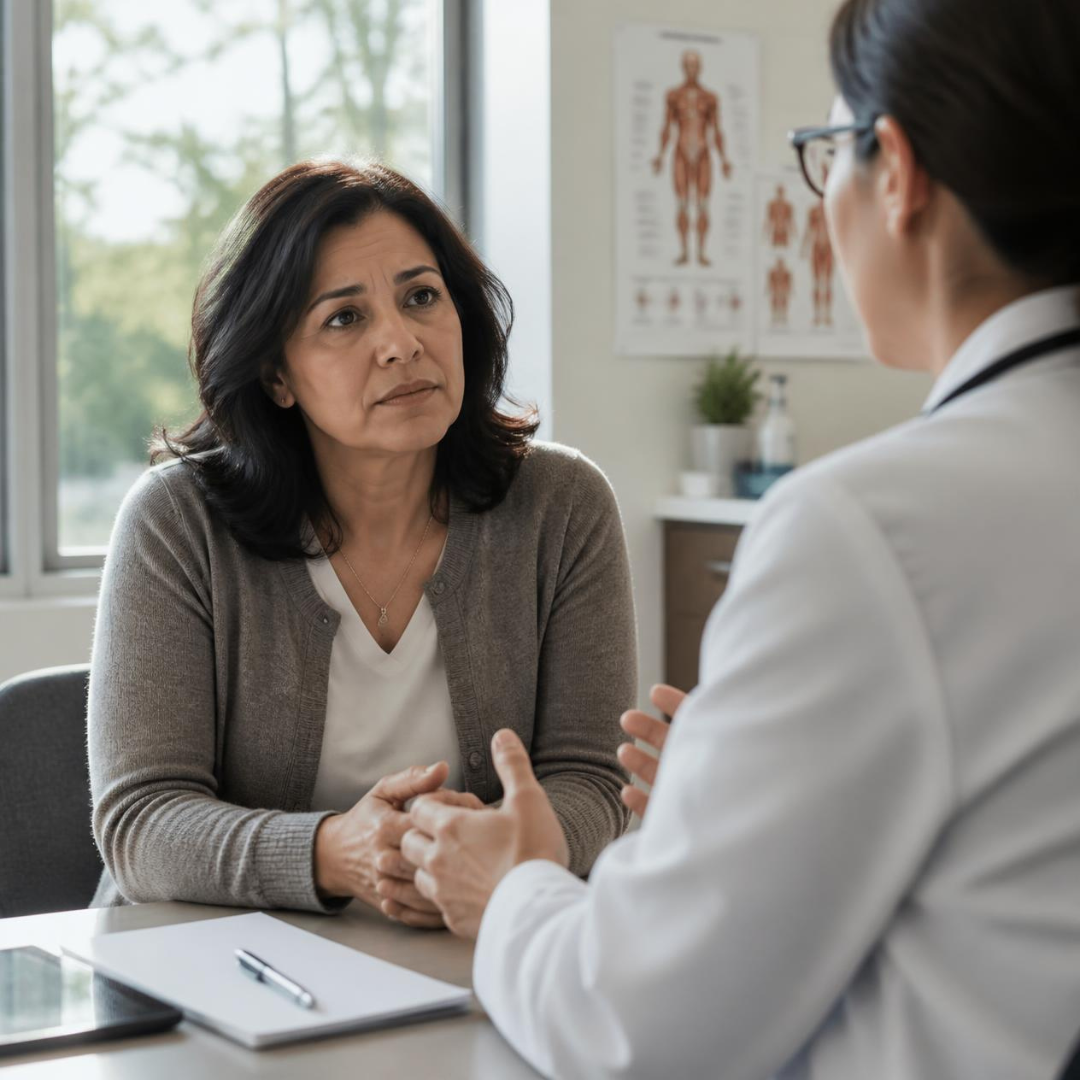
Medical appointments for Parkinson's usually last a mere 15 to 30 minutes, yet more than half of the community are completely unsure about which symptoms or questions they should actually share with their doctor. This major communication gap emerged from the 2026 State of the Community Survey, which gathered insights from over 9,000 people, including individuals living with Parkinson's, family members, and healthcare professionals. The findings show that while managing the condition is deeply personal, many feel overwhelmed and under-prepared when sitting face-to-face with a specialist.
Discussing the daily reality of the condition is rarely straightforward. Over half of the survey respondents identified movement symptoms (61 per cent) and non-movement symptoms (52 per cent) as their primary concerns, with tremor, gait, balance, sleep, mood, and changes in thinking habits topping the list. Talking about the emotional and mental health side of the condition proves particularly difficult during a brief consultation. Healthcare experts are now pushing for a shift toward narrative medicine, an approach that encourages people to tell their specific story rather than just ticking a checklist, allowing doctors to build highly personalized care plans around the symptoms causing the most disruption to daily life.
The survey also exposed sharp friction points regarding safety and access to care. Over the past year, a quarter of all respondents ended up in the emergency room or required a hospital stay, yet only 38 per cent were aware that a specialized Hospital Safety Guide even existed to protect them. General barriers to accessing quality care persist across the board. English-speaking participants pointed to a lack of awareness about available services, long waiting times for appointments, and long travel distances as their main hurdles. For Spanish-speaking participants, financial costs, language barriers, and a lack of local transport took precedence, proving that location and background heavily dictate the quality of care received.
A distinct paradox appeared around clinical research. While half of the English-speaking community is fully aware of major genetic studies like PD GENEration, awareness drops to 33 per cent among Spanish speakers. More telling is that knowing a study exists does not translate into signing up. Only about 60 per cent of aware and eligible English speakers took part, and that number plummeted to 32 per cent for Spanish speakers. Outside of this genetic initiative, the vast majority of respondents have never participated in any clinical trials, revealing a massive untapped pool of potential research candidates.
Modern technology is also failing to make an impact where it matters. Between 60 and 70 per cent of respondents stated they either do not know about or simply do not use digital tools designed to track symptoms and manage care. Instead, what the community is actively searching for are accessible, localized resources focused on tailored exercise programmes and robust emotional support. These findings provide a blunt roadmap, showing exactly where communication breaks down, where research outreach falls short, and where resources must be directed to make a practical difference.
To tackle these exact communication gaps and resource shortages, Parkinson's Insights is collaborating with the PD Buddy app. We highly encourage using this free app to support a holistic approach to managing Parkinson's. It features a vast library of resources for daily routines, including tailored exercises, recipes specifically designed for people with Parkinson's, mindfulness meditations, and ideas for alternative therapies. Crucially, the app allows you to log your symptoms in an easy, friendly way, and it connects directly to wearable devices to automatically track your fitness activities and health metrics. PD Buddy is taking the next step to solve the appointment dilemma: over the coming months, a new Health Report feature will be developed. With a single button press, the app will automatically generate a concise report that you can use as a practical basis for discussions with your healthcare team. If you want to take part in the upcoming pilot scheme for this feature, please get in touch at beatrice@pdbuddy.app.
Comments (0)
Loading comments...