


Deep brain electrical signals offer fresh insights for treating mood and motivation in Parkinson's
July 31, 2026
 Beatrice
Deep brain stimulation already helps many people manage physical movement, but new research shows it could soon target emotional challenges like low mood, loss of drive, and impulsive urges. Scientists from Cambridge and Shanghai recorded electrical patterns directly inside the subthalamic nucleus, a tiny movement center near the base of the brain. They discovered that depression, apathy, and impulsivity each create distinct electrical signals in separate parts of this small structure.
This breakthrough means future therapies could tune deep brain stimulation devices to relieve specific emotional difficulties alongside tremors and stiffness.
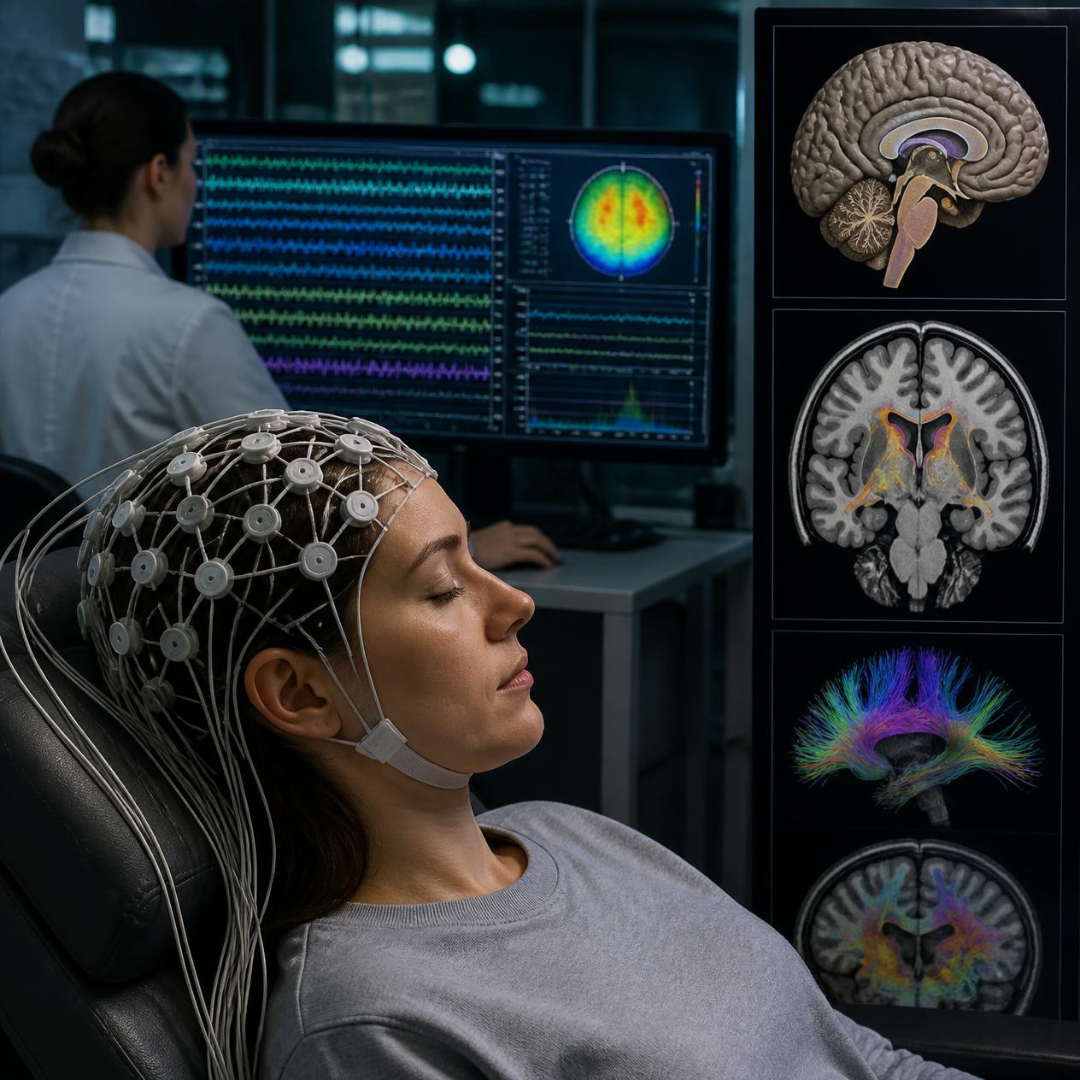
The study looked at electrical activity in fifty five people having deep brain stimulation. Researchers measured brain waves while participants rested with their eyes open and closed, matching those readings against detailed anatomical maps.
The findings showed that distinct psychological experiences produce clear brain wave patterns:
Depression links to stronger alpha waves, which connect directly to front areas of the brain that shape mood and decision making.
Apathy, or a loss of motivation, connects to a boost in high beta waves in a different part of the subthalamic nucleus.
Impulsivity relates to a drop in low gamma waves, making it harder for the brain to pause before acting.
In contrast, typical physical symptoms like stiffness and tremor match a separate frequency called low beta, which connects to regions controlling body movement.
Because emotional and physical symptoms use different electrical pathways, treatments no longer need to be one size fits all. Understanding these distinct signals allows specialists to design targeted stimulation programs that address emotional well-being just as effectively as physical control.
Comments (0)
Loading comments...