


Quantum physics joins the fight to shatter toxic brain clumps in Parkinson's
May 26, 2026
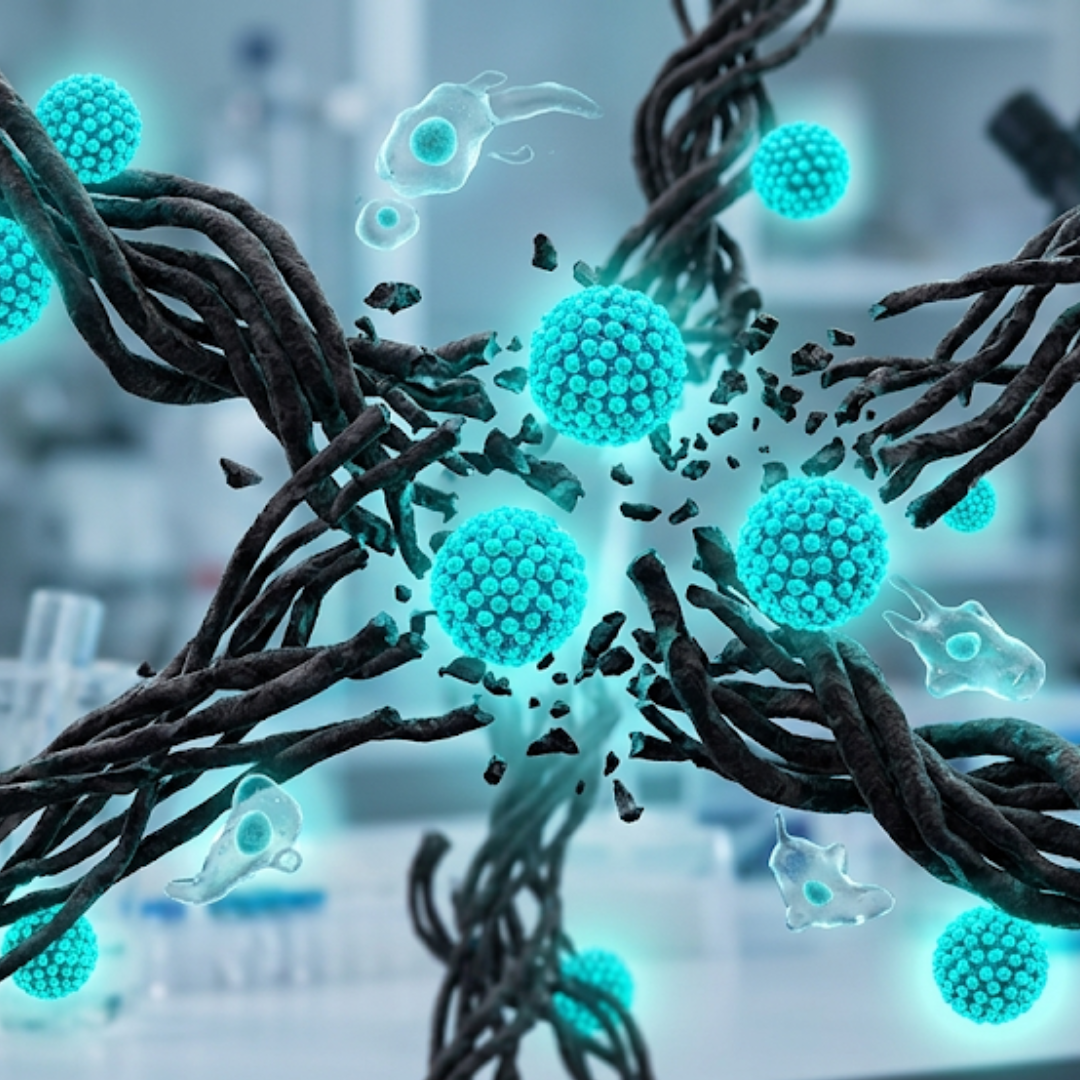
Even quantum physics is looking to help with finding a cure for Parkinson's, and the secret might lie in microscopic particles that act like tiny wrecking balls for toxic brain clumps.
Scientists across the world have been teaming up to explore how nanotechnology can help protect the brain. A new study led by researchers in Poland has found that incredibly tiny carbon structures, called graphene quantum dots, could be the key to stopping a major cause of the condition.
Inside the brains of people with Parkinson's, a specific protein called alpha-synuclein starts to behave badly. Instead of doing its normal job, it misfolds and sticks together, forming tough, fibrous clumps. Over time, these growing tangles damage and kill important brain cells, especially the ones responsible for managing smooth movement.
To tackle this, the research team custom-built microscopic carbon dots to see if they could crash the protein party. They tested these dots in a series of steps, moving from simple test tubes to living cells, and eventually to animal models. The results were fascinating. When the quantum dots met the stubborn protein clumps, they managed to break the clusters apart and stopped new ones from forming in the first place.
When the researchers tested the dots on living brain cells, they saw a big drop in the dangerous protein tangles, while the cells themselves stayed perfectly healthy. They even tried delivering the treatment as a simple nose spray in animal models, which allowed the tiny dots to travel straight to the brain and successfully clear out the toxic buildup.
Curiously, these quantum dots seem to work in two ways at once. Not only do they physically break apart the tough protein fibers, but they also give the brain's natural cleanup system a major boost. This internal recycling process is usually a bit sluggish in neurodegenerative conditions, but the quantum dots helped trigger the cells to clear away their own waste more efficiently.
While the early results look incredibly promising, the scientists found that using too high a dose could cause stress to the cells. The next step is to carefully tweak the surface of these tiny dots to make sure they are completely safe for long-term use. Even though a treatment for humans is still a long way off, this breakthrough opens up an exciting new frontier where physics and medicine join forces to protect the brain.
Comments (0)
Loading comments...