


Spiderweb-inspired wearable sensors could transform motor rehabilitation for people living with Parkinson's
July 13, 2026
 Beatrice
Engineers have successfully resolved a long standing dilemma in wearable technology by creating a flexible pressure sensor that is both incredibly sensitive and exceptionally durable. Traditionally, designing these sensors required a compromise because the delicate structures needed to detect minute movements would break down quickly under repeated use, whilst tougher materials lacked the accuracy to catch subtle signals. By mimicking the clever structural geometry of a spiderweb, a research team led by Professor Tae-Woo Lee at Seoul National University has bypassed this limitation entirely, offering a new tool that could vastly improve assistive robotics and rehabilitation tracking for people living with the condition.
Natural spiderwebs are masterclasses in structural efficiency, effortlessly distributing external forces across a mesh network to prevent tearing whilst remaining sensitive enough to detect the slightest vibration of a trapped insect. To capture these properties, the research team used electrospinning to build an intricate, three dimensional network of ultra thin fibres made from polylactic acid, a sustainable material derived from corn starch. Coating this biodegradable mesh with conductive carbon ink and silver nanowires created a highly responsive system where even minimal pressure forces the conductive particles closer together, instantly altering the electrical signal with remarkable precision.
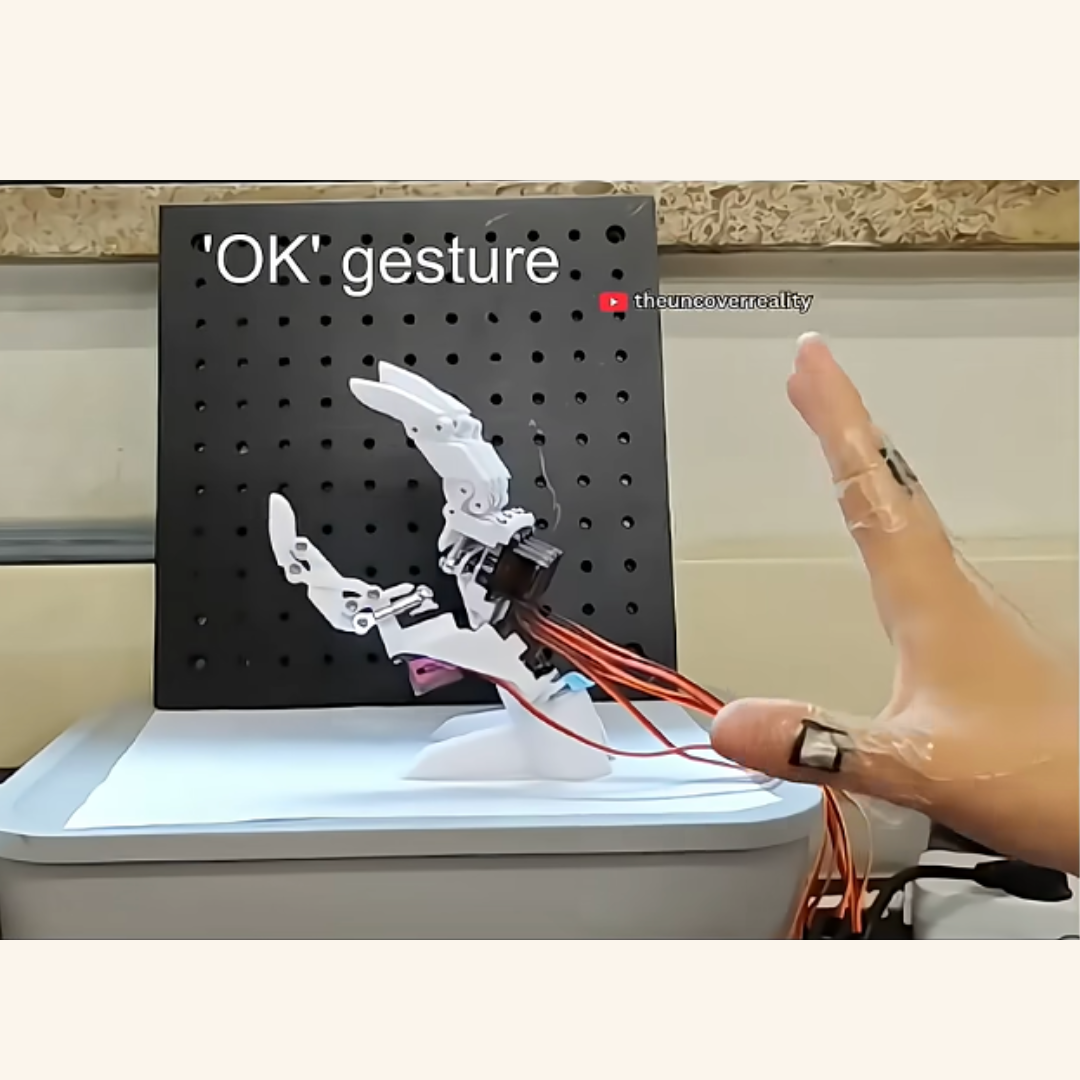
When attached to the human body, the artificial spiderweb sensor smoothly tracks complex physical feedback including pulse rates, subtle voice vibrations, and precise joint movements without degrading over time. By pairing the sensor with an artificial neural network, the system does not just log data but actively learns to recognise distinct movement patterns. During laboratory tests, the sensor was placed on a user's finger to translate the exact angle and force of bending into real time commands for a robotic hand, which replicated the gestures perfectly whilst automatically modulating its grip strength.
This seamless human machine interaction holds significant potential for managing Parkinson's, particularly for individuals experiencing challenges with fine motor control, gripping objects, or daily tasks like writing. Incorporating these highly durable, responsive sensors into smart gloves or robotic assistive devices could provide tailored physical rehabilitation, allowing individuals to practice fine motor exercises with responsive assistance. Because the technology supports wireless Bluetooth transmission, it can relay highly detailed movement data directly to clinical teams, providing an objective way to track progression and adapt therapies without requiring frequent hospital visits.
Comments (0)
Loading comments...