


Why Early and Regular Physical Therapy is Essential
February 17, 2026
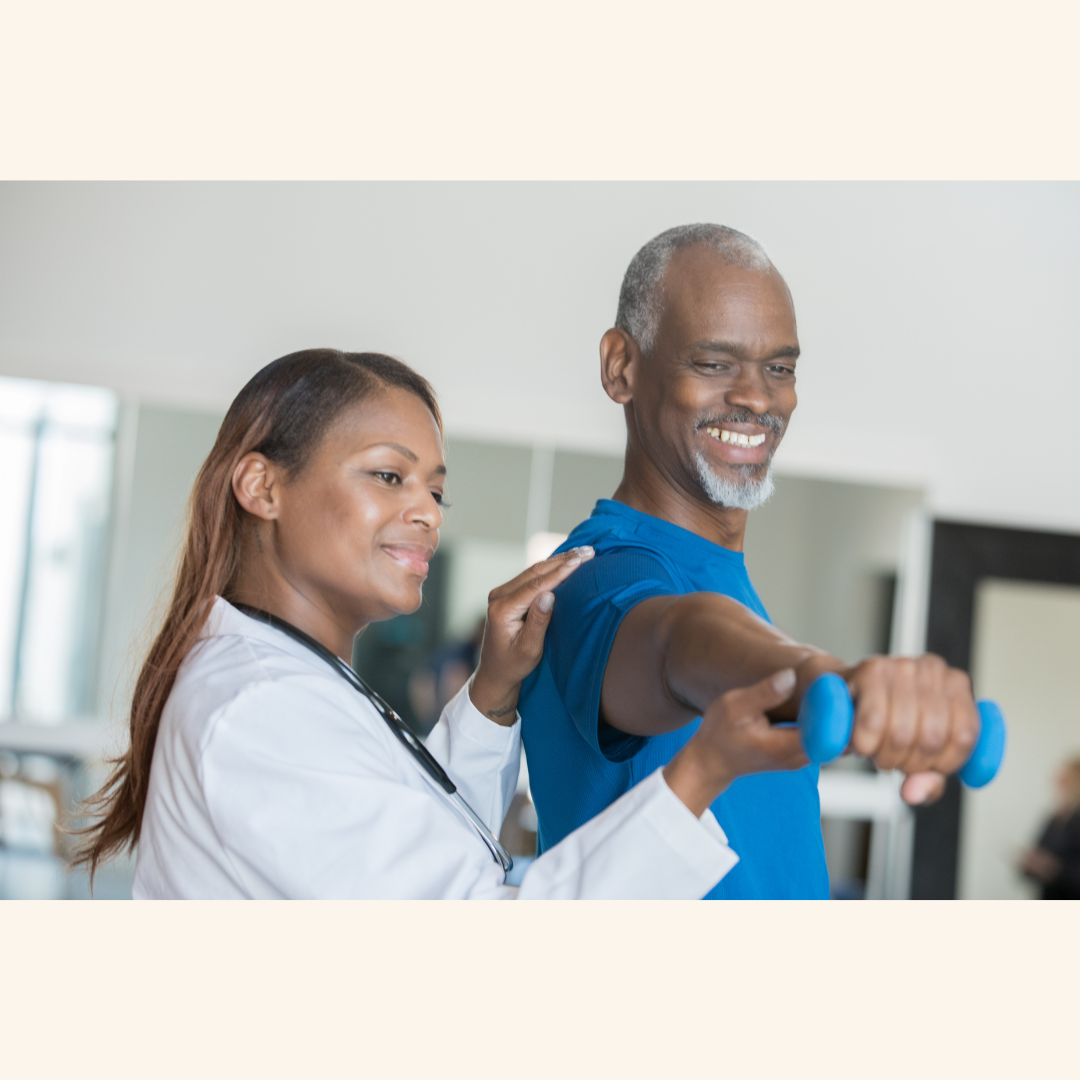
Physical therapy is often viewed as something to start only when a problem becomes obvious, such as after a fall or when walking becomes significantly difficult. However, insights from a recent American Parkinson Disease Association webinar suggest a different approach. During the session, physical therapists Teresa Baker and Sara Crandall Zoeller from Boston University’s Center for Neurorehabilitation explained that for people living with the condition, physical therapy is most effective when it follows a "secondary prevention model"—treating movement health much like dental hygiene.
Starting Early and Regularly
The recommendation from these experts is to begin physical therapy as soon as possible after diagnosis, even if movement seems unaffected. This initial phase allows a therapist to collect baseline data on walking speed, balance, strength, and posture. By establishing these metrics early, the therapist creates a personal map of an individual’s function. This makes it much easier to detect tiny shifts in mobility a year or two down the line—changes that might be invisible to the naked eye but are detectable through professional metrics.
Even for those who are highly active and exercise five days a week, Teresa Baker and Sara Crandall Zoeller emphasize that an annual "tune-up" is invaluable. Just as someone who brushes and flosses daily still visits a dentist to prevent long-term issues, an active person with the condition can use an annual visit to ensure their routine is still challenging their balance and addressing the specific ways the condition affects the body.
The Best Exercise is the One You Will Do
One of the most frequent questions the experts hear is: "What is the best exercise for the condition?" While research confirms that aerobic activity, strength training, flexibility, and balance work are all essential, the clinical answer is simpler: the best exercise is the one you will actually do.
A sustainable program must be realistic and enjoyable. For some, a community-based class provides the social bond necessary to stay motivated. For others, the barriers of getting dressed and driving to a gym are too high, making a home-based routine much more effective. The goal of physical therapy is to help problem-solve these barriers—such as fatigue or lack of motivation—to ensure that exercise remains a permanent part of daily life.
The Role of Care Partners and Environment
Movement safety is a team effort that extends into the home. Care partners often have the best insight into how medication timings affect movement throughout the day. They are uniquely positioned to recognise "off" periods and can provide clear, calm, and specific verbal cues to help when someone is struggling to get out of a chair or move through the house.
Safety also depends on the physical environment. Simple adjustments, such as ensuring pathways are well-lit for middle-of-the-night trips to the bathroom or keeping floors free of clutter, can prevent disruptions to mobility. When a care partner and a physical therapist work together, they can tailor the home space and the daily routine to support independence for as long as possible.
Accessing the Right Support
Physical therapy is usually episodic, meaning you work intensely with a therapist for a few weeks to meet specific goals, and then move to independent exercise. Whether this happens in an outpatient clinic or through home-based therapy, the ultimate aim is to empower people to manage their own mobility between sessions.
By treating physical therapy as an ongoing relationship rather than a one-off emergency fix, you can stay ahead of changes and keep moving with confidence. This long-term approach allows the therapist to track function over time and catch changes before they lead to falls or other disruptions.
Comments (0)
Loading comments...