


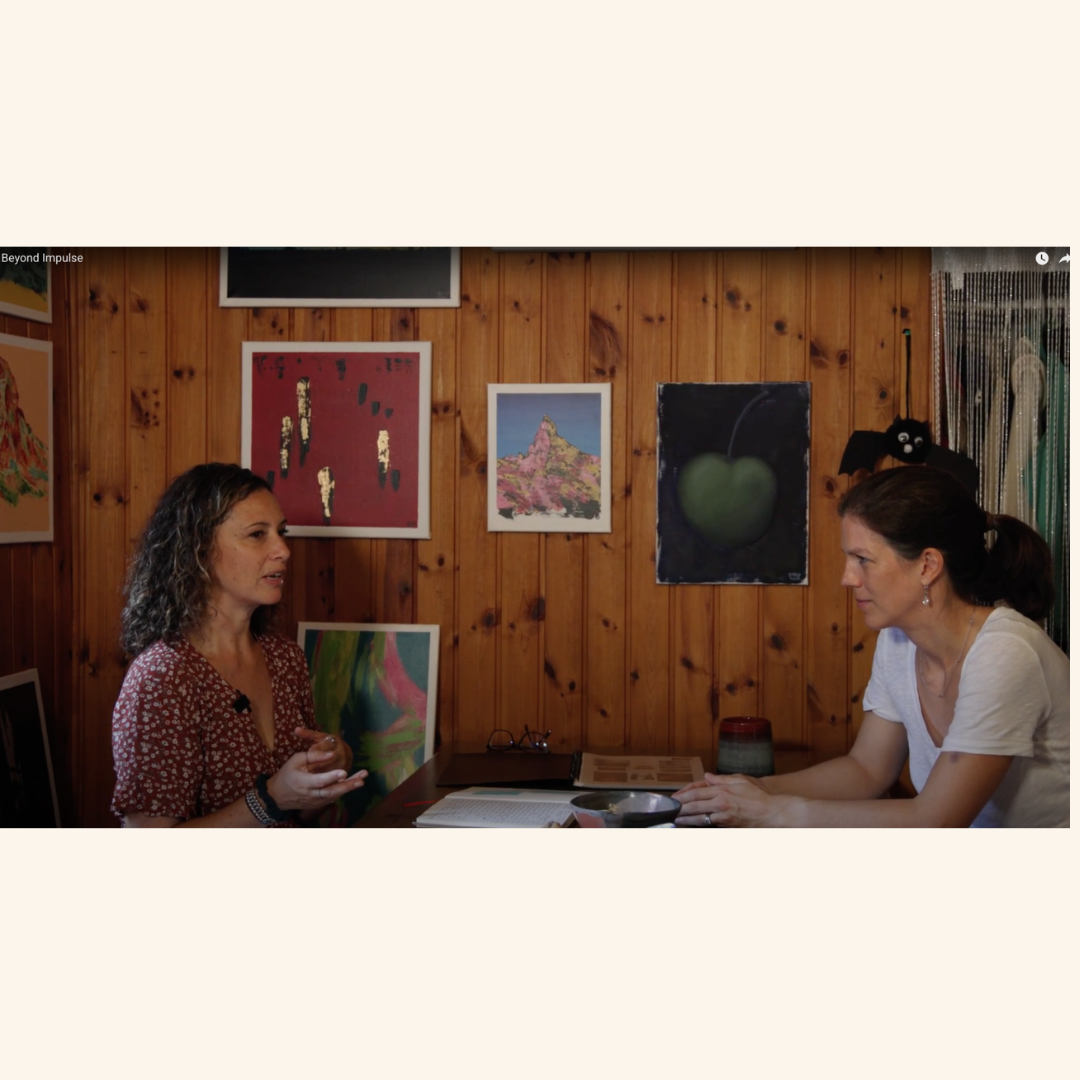
Beyond Impulse: A New Film Shines Light on Impulse Control Disorders in Parkinson’s
February 28, 2025
A groundbreaking new documentary, Beyond Impulse, delves into a lesser-discussed but significant aspect of Parkinson’s disease—impulse control disorders. Created by German neurologist Dr Ines Debove and filmmaker Bettina Rotzetter, the film aims to raise awareness and spark important conversations about a condition that many affected individuals struggle to openly discuss.
Bringing a Hidden Issue to Light
Dr Ines Debove, an Attending Physician at the Centre for Parkinson’s and Movement Disorders at Inselspital in Bern, Switzerland, was motivated to explore this topic after seeing how often impulse control disorders go unspoken.
“I think it’s a very important topic because people don’t talk about it,” she explains. “Through this film, we can encourage the community to understand that there is no shame in discussing it and seeking help.”
What Are Impulse Control Disorders?
For people taking dopamine agonist medication, impulse control disorders can be a common side effect. These disorders cause individuals to become fixated on certain activities—sometimes harmless, such as excessive painting or crafting, but in other cases, more harmful, like compulsive gambling or hypersexuality. These behaviours can have devastating effects on relationships, finances, and emotional well-being.
Professor Daniel Weintraub, a Psychiatry expert at the University of Pennsylvania and one of the film’s contributors, highlights the compulsive nature of these behaviours:
“Even if the behaviour itself isn’t harmful, like engaging in a hobby, it’s the fact that it takes over someone’s life. If a person is doing it all day and night, it becomes disruptive to their life and those around them.”
He also notes that people experiencing these disorders often lack awareness of their own behaviour. “They may not realise the impact on others, and for neurobiological reasons, they might not be able to control it,” he says.
Personal Stories of Living with Impulse Control Disorders
The documentary follows individuals with Parkinson’s who have struggled with impulse control disorders. Among them is an anonymous woman who experienced hypersexuality, and Samantha, a teacher and mother who found herself driven by an intense need to paint. While she views this creativity as a “silver lining,” she also acknowledges that organising her life has become increasingly difficult.
Emma, another participant, recalls the energy and confidence she felt during her impulse-driven phases. “I felt like Superwoman,” she says. “I could stay up all night working and still feel great the next day.”
A particularly moving story is that of Gottfried and his wife, Helga. While Gottfried channelled his impulses into crafting beautiful metal and wood items, he also suffered from extreme mood swings. His creativity flourished when his dopamine levels were high, but when they dropped, he would spiral into deep depression and fear—putting immense strain on his relationship with Helga.
Helga found participating in the film therapeutic. “I felt heard,” she says. “It was an important process for me to voice what I was going through.”
The Role of Neurologists in Addressing Impulse Control Disorders
The film also highlights the challenges neurologists face in diagnosing and treating impulse control disorders. Dr Debove emphasises that prevention is key, with regular monitoring of those taking dopamine agonists. However, even when patients are informed of the risks, impulse control disorders can still develop.
A major difficulty is that some individuals may not recognise their behavioural changes, or they may enjoy the increased energy and productivity these disorders bring. Others might feel too ashamed to discuss their struggles, making it hard for doctors to intervene.
Dr Debove explains the importance of identifying warning signs, such as altered sleep patterns. “If a patient tells me they go to bed at midnight and wake up at 3 a.m., that’s a red flag,” she says. “Sleep isn’t a shame-related topic, so it’s a useful way to detect issues.”
Ultimately, she stresses that neurologists must be honest about the potential consequences of untreated impulse control disorders.
“I tell them, ‘It won’t help you to lie to me and say you’re fine when you’re not. If this continues, you could lose your money, your family, or even end up in jail.’”
A Must-Watch for the Parkinson’s Community
Beyond Impulse is now available to watch on YouTube, with subtitles in five languages. The film provides an important platform for people with Parkinson’s, their loved ones, and healthcare professionals to discuss a challenging but vital topic. By shedding light on impulse control disorders, it offers a path toward understanding, support, and better care.
Image credit: Bettina Rotzetter and Fernwerk Films
Comments (0)
Loading comments...