


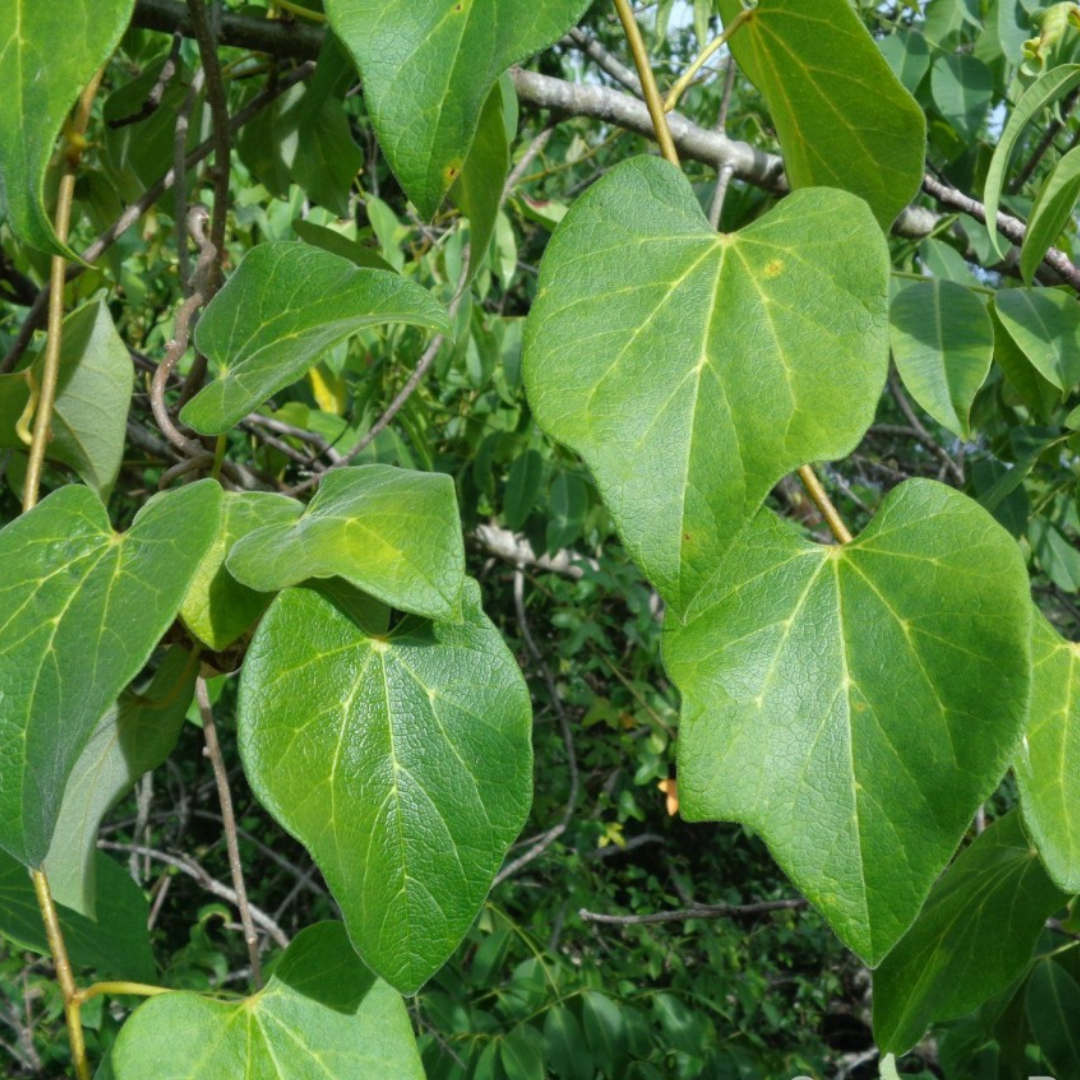
Stem extract from the Tinospora sinensis plant helps preserve brain cells and improve mobility in rat models of Parkinson's
June 17, 2026
 Beatrice
Scientists have discovered that a natural plant extract might hold powerful secrets for shielding the brain from the damage linked to Parkinson's. A recent laboratory study looked closely at a climbing shrub called Tinospora sinensis, which has been used in traditional medicine for centuries, to see if its stems could help protect rats from the physical and internal changes that happen with the condition.
To test this, the researchers used a natural pesticide called rotenone to create features of Parkinson's in the rats. Rotenone is known for attacking the specific brain cells that make dopamine, which is the chemical messenger responsible for smooth movement. Over a five week period, the rats exposed to rotenone developed clear physical difficulties, including muscle stiffness and slower movements, because their dopamine levels dropped and their brain cells suffered severe damage from harmful molecules.
The team then gave the rats different daily doses of the plant extract to find out if it could undo the damage. The results were highly encouraging because the herbal extract worked like a shield. The rats that took the extract showed a massive turnaround, moving around much more easily and showing far better balance and coordination during physical tests.
Inside the brain, the extract worked by boosting the body's own natural defense systems. It put a stop to a harmful process called lipid peroxidation, which happens when oxidative stress damages the outer walls of cells. At the same time, the extract kept dopamine levels high and blocked an enzyme that normally breaks dopamine down, ensuring the brain had more of this vital chemical to work with.
When the scientists looked at the brain cells under a microscope, the cells from the rats that received the herb looked remarkably healthy and well preserved. In fact, the highest dose of the extract, which was four hundred milligrams per kilogram of body weight, worked just as effectively at protecting the brain and restoring movement as standard pharmaceutical medications like levodopa carbidopa.
Even though these tests were done in a laboratory on animals and will need a lot more research before helping humans, the study opens up an exciting new door. It shows that natural ingredients from plants like Tinospora sinensis could become a useful tool in the future to help slow down the cell damage that causes movement challenges in Parkinson's.
Comments (0)
Loading comments...