


Charco Neurotech prepares to relaunch CUE1+ following trial findings and medical certification
August 12, 2026
 Beatrice
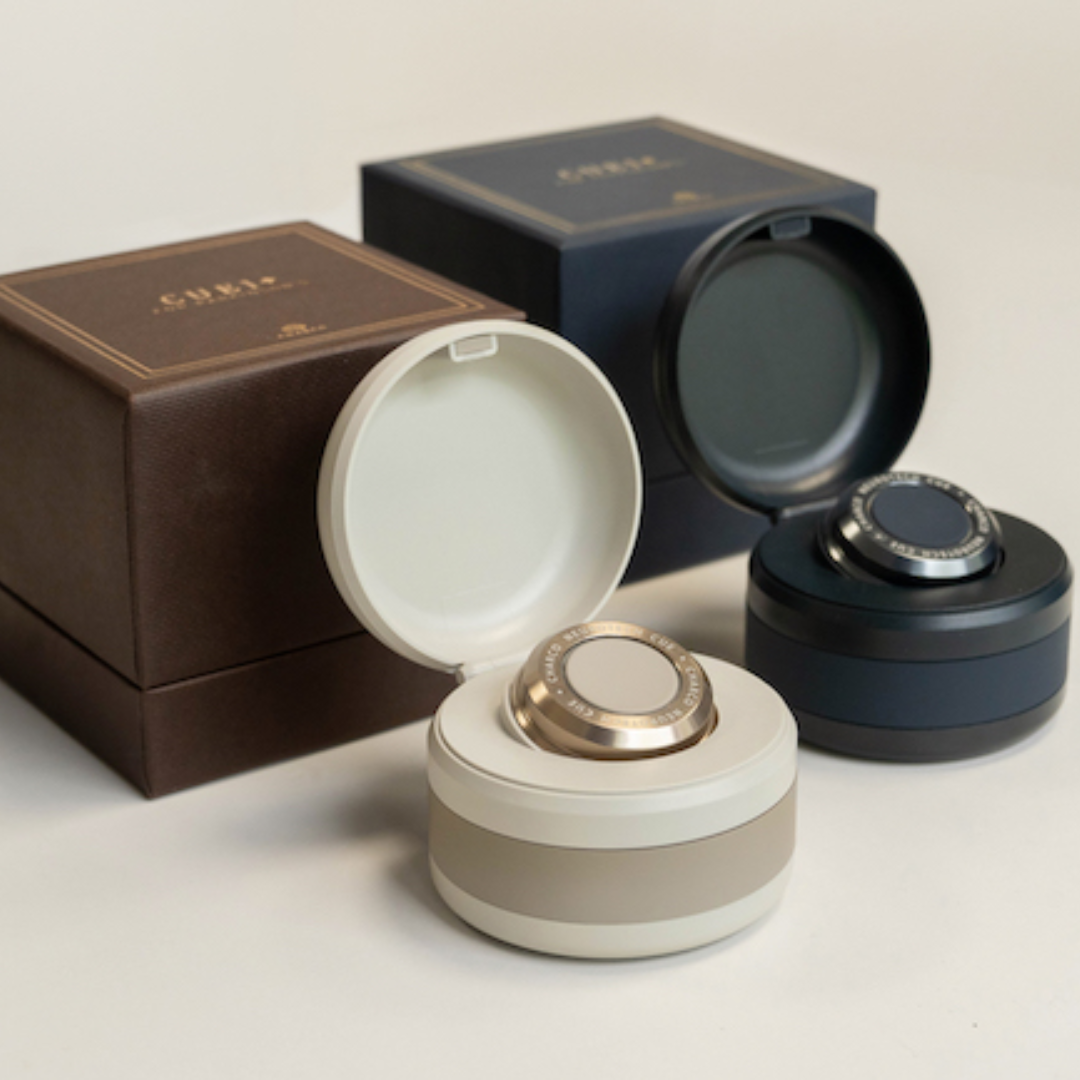
Charco Neurotech is preparing to bring its CUE1+ device back to market following a temporary pause in sales that lasted over a year. The Cambridge based medical technology company, founded in 2019, has developed one of the most recognisable wearable devices designed for Parkinson's. The device is aimed primarily at people who experience gait difficulty or freezing, where taking a step forward suddenly feels impossible.
The technology relies on a small device crafted from high-quality machined aluminium, worn on the sternum with a reusable adhesive patch. It delivers rhythmic tactile cues and localised vibration to the chest, sending sensory signals to the brain that can help people initiate and maintain movement. Charco halted sales to pursue a fundamental regulatory progression: upgrading the CUE1+ from a Class I medical device to a higher Class IIa medical device classification across the UK and Europe.
Transitioning a medical device to a higher classification tier is a massive undertaking for a small enterprise. The regulatory pipeline typically takes between 18 months and two years, requiring substantial capital, structural reorganisation, executive management changes, and workforce reductions. The driving force behind this commitment is Charco’s long term ambition to secure approval for the device on the NHS. Demonstrating clinical value to national healthcare systems is critical, particularly as reduced falling among users could offer significant cost savings for public health services managing fall related hospitalisations.
A newly published pilot trial in npj Parkinson's Disease offers insight into the device's performance under controlled conditions. Conducted by researchers at Queen Mary University of London, the trial involved 50 participants who wore either an active device or a silent placebo version for 12 weeks. The study confirmed that the hardware is safe, well tolerated, and practical for daily home use, with over 95 per cent compliance and minimal side effects.
While the study noted encouraging exploratory improvements in motor symptoms and slowness, the researchers emphasised that the trial was not designed to establish definitive clinical efficacy. When researchers compared the two groups, the people wearing the active vibrating device showed improvements in movement and a reduction in slowness, whereas those wearing the dummy device did not. However, because the dummy device was completely silent and did not vibrate at all, participants could easily identify which version they had received. Larger clinical trials are currently being planned to establish whether the device can provide definitive, long term benefits alongside standard Parkinson's treatments.
According to Chief Commercial Officer Iain Strickland, Charco remains active, focused on its return to market, and committed to the Parkinson’s community. The company hopes to resume commercial availability in the UK and Europe by late 2026 or early 2027, subject to the finalisation of the regulatory certification process. Looking further ahead, Charco is exploring expansion into the United States, targeting a prospective launch around 2028 following positive initial discussions with the FDA, alongside plans for Australia and Canada.
When sales reopen in Europe and the UK, the retail price is expected to rise from its previous level of £780 to reflect inflation. To mitigate financial risk for buyers, Charco plans to offer a full money back guarantee for individuals who find the device does not suit their needs, alongside a two year warranty. The upcoming version will also feature hardware upgrades, including extended battery life, with existing inventory ready for dispatch to avoid the delivery delays experienced during earlier production runs.
Comments (0)
Loading comments...