


Scientists Grow Over 400 Types of Brain Cells in the Lab – Big Step for Parkinson’s Research
July 14, 2025
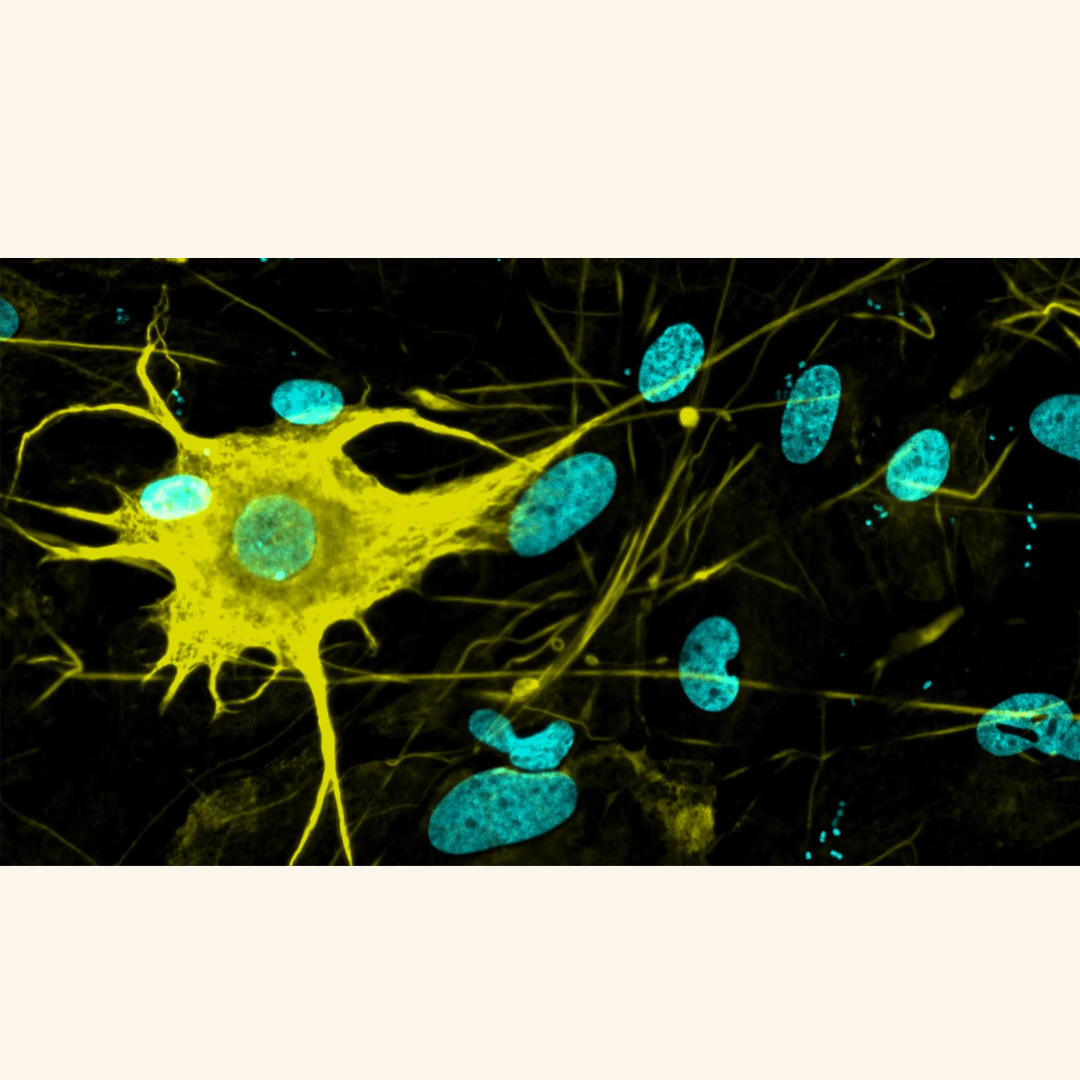
A team from ETH Zurich has made a breakthrough in brain science: they’ve grown more than 400 distinct types of human brain cells from stem cells in the lab. That’s a major leap from previous efforts, which had only produced a few dozen cell types
Why It Matters for Parkinson’s
In Parkinson’s, certain brain cells – especially those that make dopamine – die off, leading to symptoms such as tremors, stiffness, and difficulty moving. To develop better treatments, scientists need accurate lab models that closely match the exact cell types affected in Parkinson’s. Until now, most lab models lacked this precision, making it harder to test new drugs or therapies effectively.
How the Discovery Was Made
Researchers started with stem cells (cells that can turn into many other types of cells). They used a clever mix of genetic switches and signalling molecules known as morphogens to guide their development. By experimenting with different combinations and concentrations of seven morphogens across 200 setups, they managed to recreate more than 400 distinct brain-cell types
They confirmed each cell’s identity by checking its genetic activity, shape, and electrical behaviour, then matched this data to known human brain-cell databases.
What This Means
Better disease models: Scientists can now study Parkinson’s on the exact types of neurons affected by the disease, improving the accuracy of lab research.
Smarter drug testing: More realistic models mean drugs can be tested more effectively in lab conditions before moving to human trials.
Potential for future therapies: This method could one day help grow healthy neurons for cell replacement therapies, though that’s still a way off .
The Road Ahead
The scientists are now working on refining their methods to produce single, specific cell types, rather than mixed batches . This precision will be crucial for developing targeted therapies and reliable testing platforms.
The Takeaway
This isn’t just a lab trick—it’s a game-changer for Parkinson’s research. Growing hundreds of types of brain cells brings us closer to understanding how Parkinson’s begins and progresses. It also opens the door to better drug testing and, in the long-term, even the possibility of replacing damaged cells.
And no matter how advanced Parkinson’s is, it’s never too late to begin benefiting from better care—whether through improved drug research, replacement strategies, or personalised treatments. This breakthrough gives us real hope for future, more effective therapies.
Phto: One nerve cell type (yellow) of several hundred that ETH researchers have grown from stem cells in the laboratory (microscopy image). Credit: Hsiu-Chuan Lin and Malgorzata Santel / ETH Zurich
Comments (0)
Loading comments...