


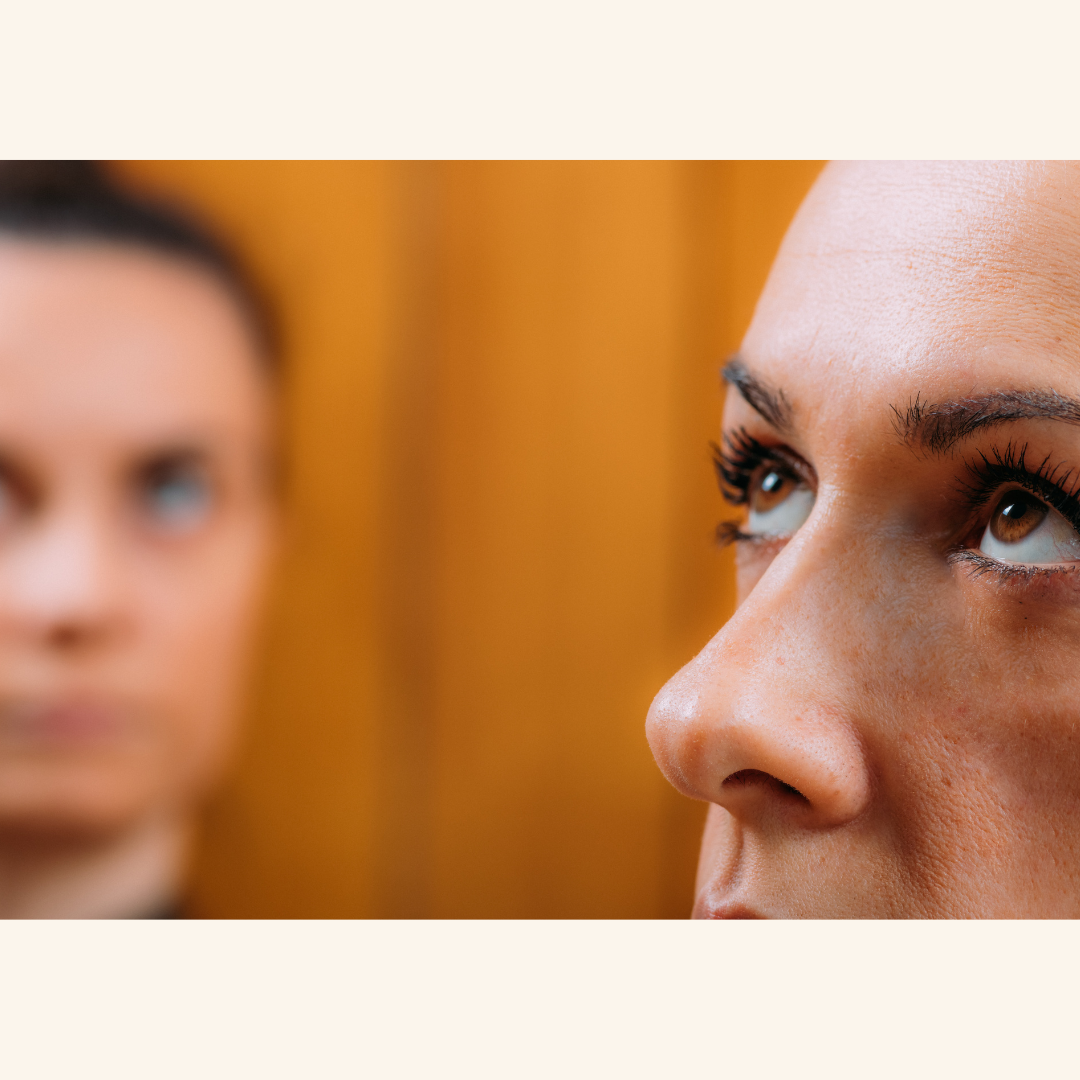
How Side-to-Side Eye Movements Could Help People with Parkinson’s Improve Balance
November 9, 2024
A new study shows that moving the eyes from side to side may help people with Parkinson’s disease reduce body sway and improve balance. Even though people with Parkinson’s often struggle with eye coordination, this technique appears effective for them as well.
People with Parkinson’s have a higher risk of falling, partly due to their tendency to sway more when standing still. This swaying makes them more prone to losing their balance. Past research has shown that quick side-to-side or up-and-down eye movements (called saccadic movements) can help reduce swaying in healthy adults. But it was unclear if this benefit applied to people with Parkinson’s, who often face challenges with precise eye movement.
In this study, researchers from Brazil observed 10 people with Parkinson’s and 11 people without the disease to measure how eye movements affected balance. The participants first focused on a fixed point and then tried moving their eyes side to side or up and down. The results showed that both groups benefited similarly from side-to-side eye movements, with Parkinson’s patients experiencing as much sway reduction as those without the disease. Surprisingly, even with their eye coordination issues, people with Parkinson’s could use this strategy to improve stability.
However, up-and-down eye movements didn’t have the same effect. They helped reduce sway in those without Parkinson’s, but not in those with the disease.
The researchers noted that while these findings are promising, moving the eyes quickly from side to side isn’t a practical balance strategy on its own. “Training the eyes to move horizontally could be useful,” says Fabio Barbieri, PhD, one of the study’s authors. “But our research is more about learning the effects of eye movement on Parkinson’s symptoms than creating an everyday solution.”
The study adds valuable insights into how Parkinson’s affects movement and balance, and it opens the door for further research into ways of training the eyes to help manage symptoms. Integrating eye movements like these into balance exercises for Parkinson’s could eventually become a useful tool.
Comments (0)
Loading comments...