


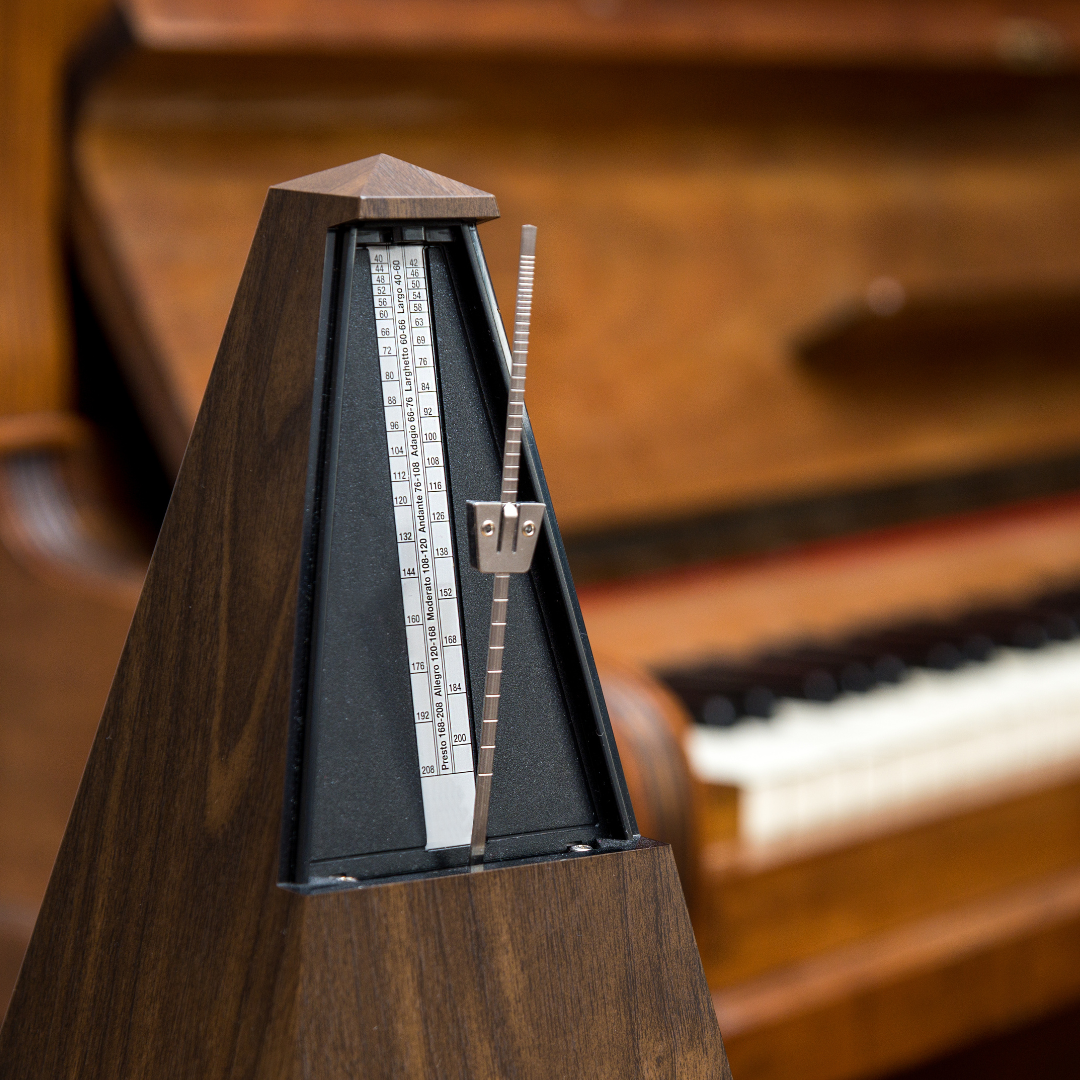
Fractal and regular metronomes offer different benefits for Parkinson’s gait
April 23, 2026
A study published in JAMA Network Open has examined how different types of auditory cues—regular metronomes, fractal metronomes, and music—help people with Parkinson's improve their walking. For many people with the condition, gait can become less stable, leading to shorter steps or a higher risk of falls, and this research looked at which specific type of "beat" provides the best support.
Comparing three rhythmic cues
The researchers, led by Dr. Federico Parisi, tested how participants responded to three distinct types of sound:
Regular Metronome: This is a perfectly steady, "isochronous" beat. It is the traditional tool used in physiotherapy to help people maintain a consistent walking pace.
Fractal Metronome: Unlike a standard beat, this has subtle, mathematical variations in the timing between clicks. This "fluctuating" rhythm actually mimics the natural, healthy variations found in a person's own heartbeat or walking pattern.
Music: Familiar tracks with a strong, clear beat that were matched to each participant's walking speed.
The results for movement and fluidity
The study found that while all three cues helped, they served different purposes. The regular metronome was the most effective for "stabilising" the walk. Because the beat is entirely predictable, it is easier for the brain to lock onto, which helps in maintaining a steady speed and reducing the variability of steps.
However, the fractal metronome showed unique promise in improving the "fluidity" of movement. Because these rhythms are more organic and less robotic, they helped participants achieve a more natural walking gait. Interestingly, the benefits of fractal rhythms often stayed with the participants even after the sound was turned off, suggesting it helps "retrain" the brain's internal timing more effectively than a rigid beat.
Music was the most engaging option. Beyond just providing a rhythm, the emotional and motivational aspects of music helped improve stride length and overall speed. The researchers noted that music activates a wider network of brain areas than a simple click, making it a powerful tool for those who find standard metronomes too monotonous.
Choosing the right tool
The takeaway is that different cues can be used depending on the goal. If the priority is strictly to stop "shuffling" and keep a steady pace, a traditional metronome is very effective. If the goal is to make walking feel more natural, fluid, and less "stiff," fractal rhythms or your favourite music might be the better choice.
By using these external rhythms, we can bypass the internal timing challenges caused by Parkinson's and help the brain maintain a steadier, more confident stride.
Comments (0)
Loading comments...