


Regenerate PD: A New Gene Therapy Trial Aiming to Protect Brain Cells in Parkinson’s
August 21, 2025
 mister green
The REGENERATE-PD Trial: Unpacking Gene Therapy for Parkinson’s by Davis Phinney Foundation for Parkinson's
A new clinical trial called Regenerate PD is exploring whether a type of gene therapy could help protect brain cells in people with Parkinson’s. This study, now in Phase 2, is led by Dr Mark Richardson at Massachusetts General Hospital and backed by the company AskBio.
But before we get into the details of the trial, let’s take a step back.
What is Gene Therapy?
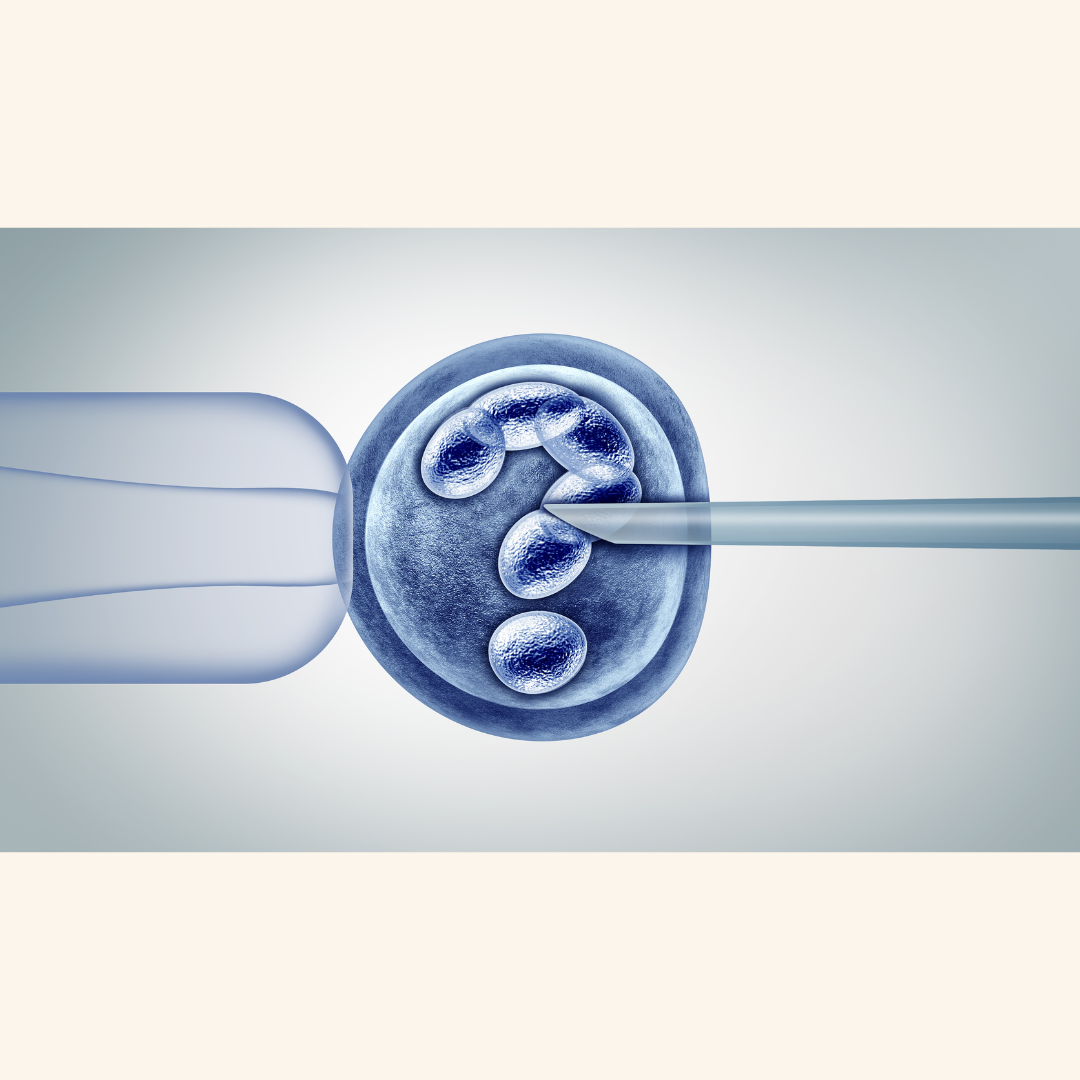
In simple terms, gene therapy is a way of delivering helpful genetic instructions to specific cells in the body. In this trial, the goal is not to replace faulty genes but to give brain cells a boost by helping them make more of a molecule called GDNF (Glial cell line-Derived Neurotrophic Factor). GDNF is known to support the survival and health of neurons — the very cells that get damaged in Parkinson’s.
To deliver this boost, scientists use a harmless virus as a kind of delivery vehicle, or “vector.” This virus carries the genetic instructions for GDNF into brain cells, where those instructions are read like a recipe. The cells then start producing GDNF, which may help protect them from further damage or even encourage them to regenerate.
Because this kind of therapy needs to go straight to the brain — and can’t yet be delivered by pills or injections — it involves direct brain surgery. The therapy is injected precisely into an area called the putamen, which receives signals from another brain region where dopamine-producing cells are dying in Parkinson’s.
Why It Might Help
This approach doesn’t try to “fix” a specific mutation, and it’s not only for people with genetic forms of Parkinson’s. Instead, the idea is to support brain cells in general, regardless of the underlying cause. That’s why this therapy could potentially help a wide range of people with Parkinson’s.
Previous research showed some promising signs. In an earlier Phase 1 trial, patients who received the lower dose of GDNF gene therapy had stable symptoms over 18 months — impressive for a disease that usually progresses. In the higher dose group, some even showed improvements in movement symptoms and reduced “off time” (the part of the day when symptoms are not well controlled). However, the earlier trial didn’t include a placebo group, so it’s not yet possible to say for sure how much of the benefit was due to the treatment.
That’s why Regenerate PD, the current Phase 2 trial, is being run as a randomised, placebo-controlled study. Two-thirds of participants will receive the gene therapy, and one-third will receive a placebo.
What Does Participation Involve?
This is a trial for people with moderate Parkinson’s, particularly those starting to experience movement-related ups and downs despite taking medication. Candidates must:
Be aged between 45 and 75
Have been diagnosed with Parkinson’s for at least four years, but no more than ten
Be responsive to levodopa
Not have had previous brain surgery (including DBS)
Not have dementia or serious mood disorders
Participants will first go through a screening phase, which includes neurological exams, a PET scan, an MRI, and detailed assessments both on and off their medication. If eligible, they move into the baseline phase, followed by the surgical procedure.
Whether receiving the treatment or the placebo, all participants will undergo a short brain surgery under general anaesthetic. For those in the treatment group, the GDNF gene therapy (known in this trial as AB-1005) will be infused into the brain. The procedure may take up to 10 hours, mostly due to the precision and setup required.
What If You’re in the Placebo Group?
If you join the study but receive the placebo, there is a plan for what’s called an “open label extension” — meaning you might get the real treatment later. However, this would only happen after the study ends, which could take several years depending on how quickly the trial recruits and finishes.
Is It Right for You?
This trial is aimed at people who are already candidates for Deep Brain Stimulation (DBS) but are open to trying a new approach. DBS is already proven to work for motor symptoms, so people in urgent need of symptom relief may prefer to stick with that. However, if you're willing to wait, or you're particularly interested in contributing to a potential breakthrough, this trial could be worth exploring.
Dr Richardson strongly encourages anyone interested to speak with their Parkinson’s doctor, though he notes that many neurologists might not yet be familiar with this kind of gene therapy. Information about the trial and participating centres is available at clinicaltrials.gov — search for Regenerate PD or AB-1005.
Comments (0)
Loading comments...