


Trial Report: Light Therapy Adds Quality of Life Benefits Despite Mixed Motor Results
January 23, 2026
A recent clinical trial investigating the use of light therapy for Parkinson’s has produced mixed results, highlighting both the potential of the technology and the power of the placebo effect.
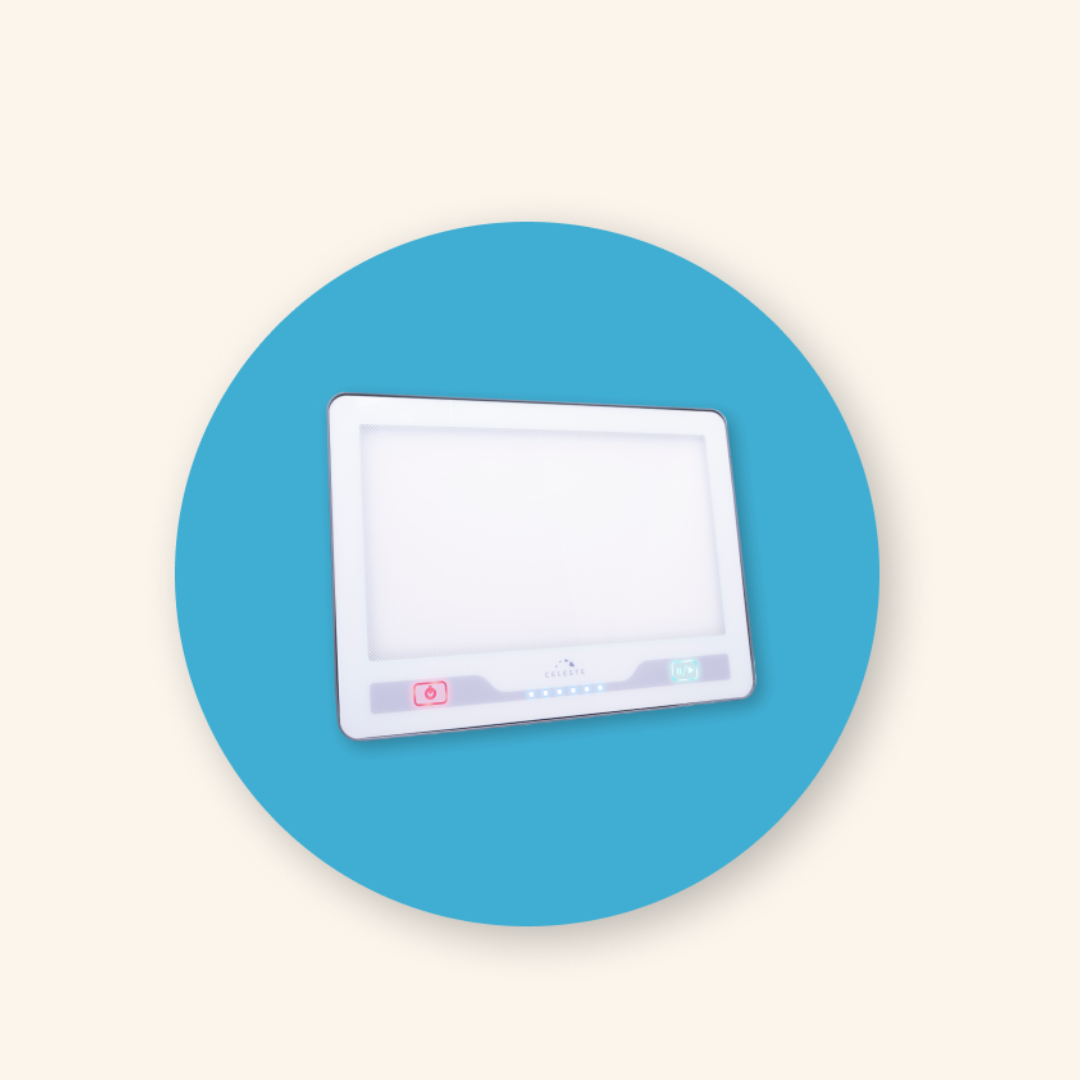
The study, published in Neurotherapeutics and detailed on ClinicalTrials.gov, tested the "Celeste" device—a table-top light panel designed for home use. Researchers wanted to see if daily exposure to specific light wavelengths could improve symptoms when used as an adjunctive treatment—meaning it was added on top of the participants' existing medication, not used as a replacement.
The setup was rigorous. Participants were split into two groups: one received the active therapy (bright light), while the control group received a "sham" device emitting dim red light, intended to act as a placebo.
The Results The primary goal of the study was to see if the light could significantly reduce motor and non-motor symptoms (measured by the MDS-UPDRS scale). On this specific count, the trial technically missed its target. While the active group did improve, the difference between them and the control group did not reach "statistical significance" (p=0.074).
However, the secondary results told a different story. Participants using the active device reported a statistically significant improvement in their overall Quality of Life (PDQ-39 scores).
The Placebo Factor Crucially, the study revealed a substantial placebo response. The group using the "dummy" dim red light also saw their symptom scores improve by nearly 10 points. This is a common phenomenon in Parkinson’s trials, where the expectation of treatment can trigger a release of dopamine in the brain. The active group improved by roughly 18 points—better than the placebo, but the gap was narrower than researchers might have hoped for regarding motor skills.
The Takeaway The data suggests that while light therapy is not a standalone solution, it may serve as a useful tool for managing the broader experience of the condition—specifically mood and daily functioning—when used alongside standard medication. The manufacturer is now proceeding with a larger Phase 3 trial to see if a bigger sample size can confirm the motor benefits that this study only hinted at.
Comments (0)
Loading comments...