


Swallowing difficulties identified as primary risk factor in late stage Parkinson's mortality study
July 10, 2026
 Beatrice
A long term study published in June 2026 has provided fresh clarity on the leading causes of death and the risk factors that most heavily influence life expectancy during the advanced stages of Parkinson's. Led by researcher Kristina Rosqvist from Lund University in Sweden, the decade long investigation tracked a specific group of 107 people who were navigating the complex realities of late stage Parkinson's, defined as having severe movement difficulties or requiring help with more than half of their daily tasks.
The tracking data revealed a rapid shift in survival over the years. Three years into the study, just over half of the participants were alive. By year five, that number shifted to less than a third, and by year seven, only 15 percent of the initial group remained alive.
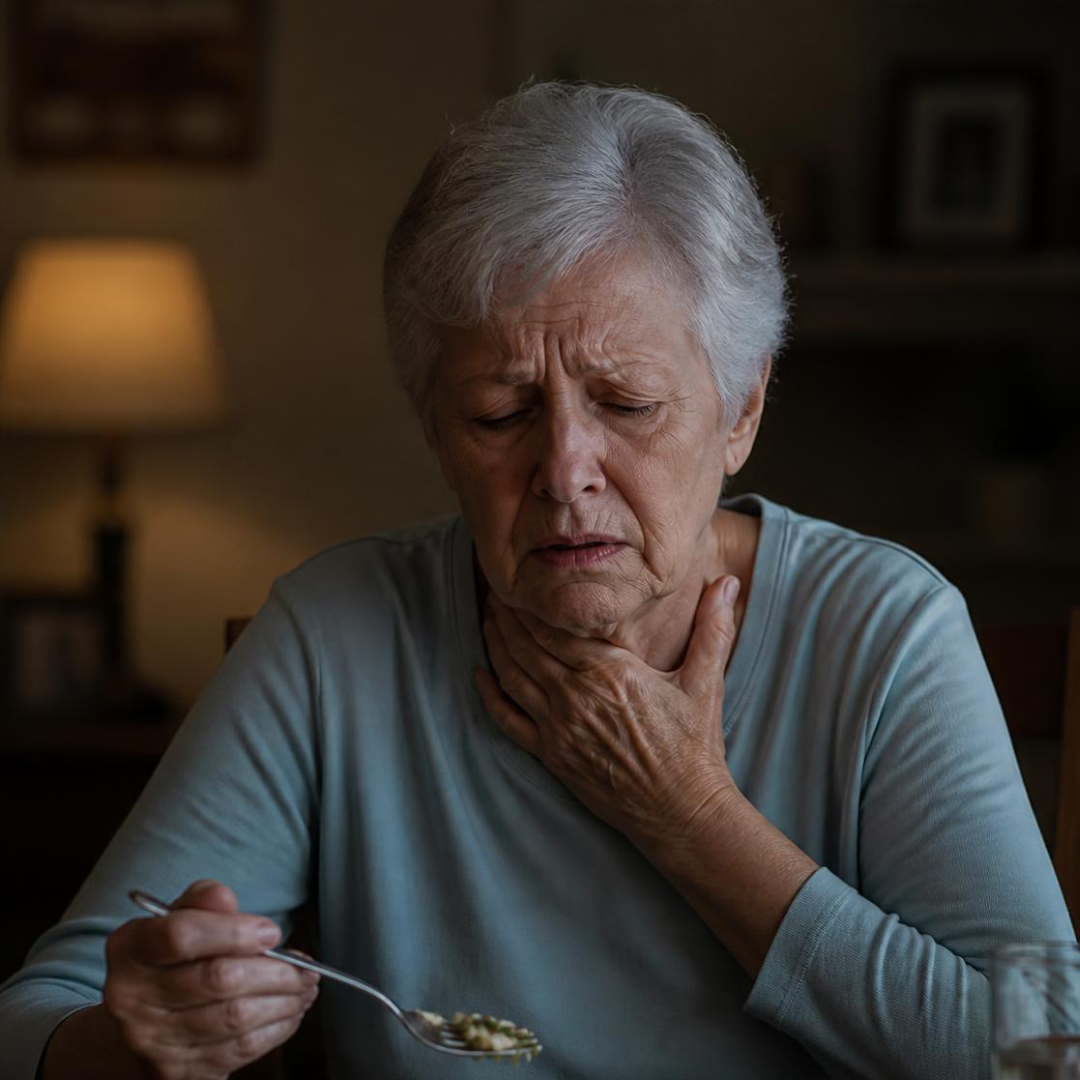
When analysing why these individuals passed away, the research team found that respiratory and systemic complications were far more common than direct cardiac events. Aspiration pneumonia, a severe lung infection triggered when food, liquids, or saliva are accidentally inhaled into the airways rather than swallowed into the stomach, was the single most common cause of death, accounting for 34 percent of cases. General infections leading to sepsis accounted for 16 percent, while standard pneumonia made up 13 percent. The remaining cases were largely attributed to bowel obstructions and complications from respiratory viruses.
Beyond pinpointing these primary causes of death, the study identified the specific baseline health factors that predict a higher mortality risk. When looking at individual symptoms, researchers found that more pronounced movement challenges, greater dependency during daily tasks, advanced age, and the presence of hallucinations or cognitive changes all correlated with a shorter lifespan. However, when the team looked at how these factors interact together in a multivariable model, three specific elements stood out as the strongest independent indicators of high risk: more severe motor function impairment, more intense depressive symptoms, and advanced cognitive changes.
These conclusions give healthcare teams a clear map of where to focus protective care. Because swallowing difficulties present the highest structural threat through aspiration pneumonia, the authors emphasise that proactive screening, early speech therapy interventions, and targeted swallowing management are essential components of late stage care. Rather than viewing advanced symptoms as unmanageable, the study advocates for a highly focused approach to preventing infections and addressing mood changes to improve comfort and safety in the final stages of the condition.
Comments (0)
Loading comments...