


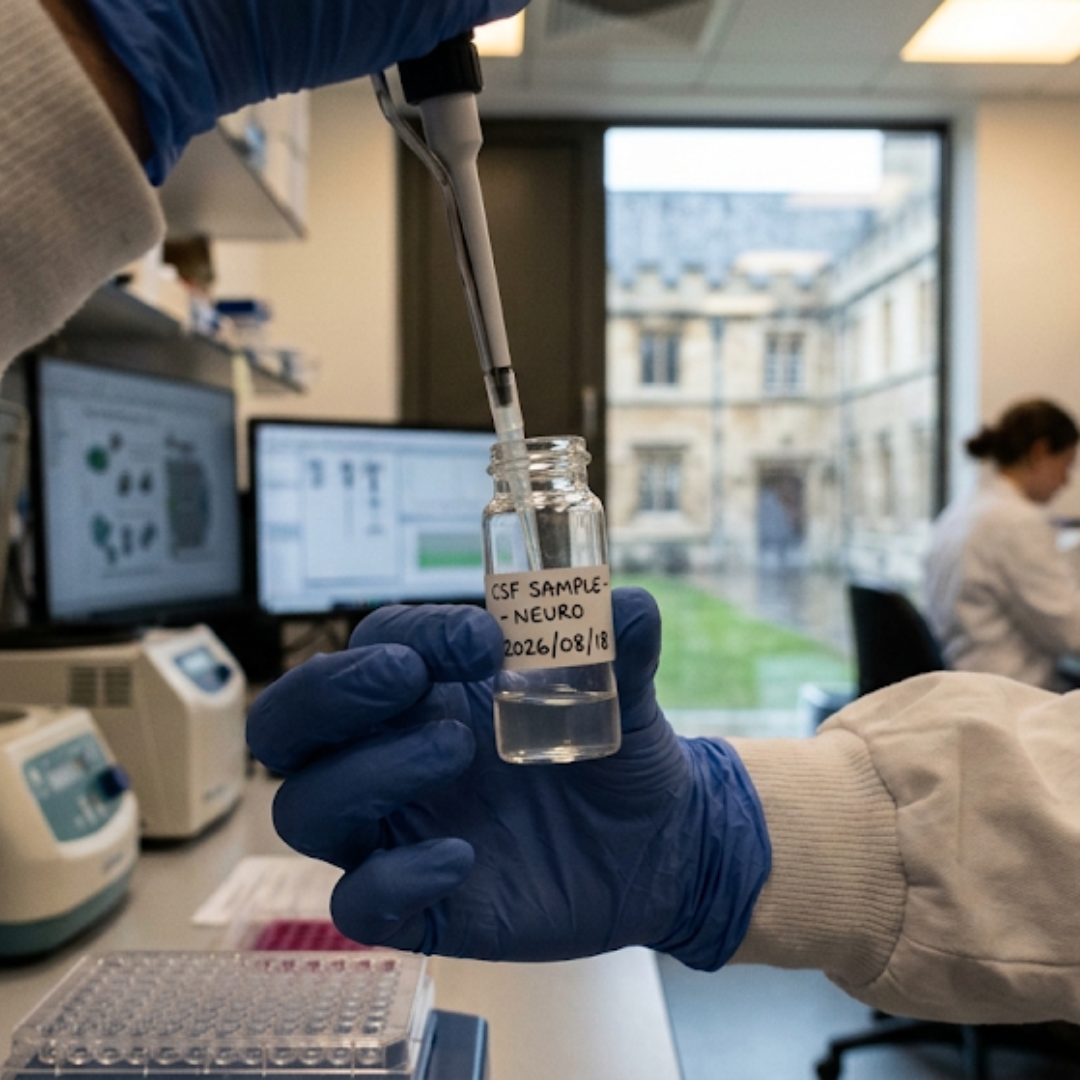
A new scientific review reveals how simple fluid tests could help track inflammation in the brain
August 18, 2026
 Beatrice
Our immune system acts like a built-in emergency service. When something goes wrong, it creates inflammation to fix the problem, clear away damage, and protect healthy cells. In the short term, this response does wonders. When that same inflammatory response stays switched on inside the brain for months or years, it stops being helpful and starts causing trouble of its own, putting extra stress on nerve cells.
For a long time, researchers have wanted an easy, reliable way to check on this brain inflammation without doing anything too complicated or invasive. In a comprehensive review published in Brain Communications, a team of researchers led by Nadine van de Zande gathered twenty-three years of human studies to see what we have learned about measuring these immune signals in body fluids like blood and spinal fluid.
The researchers looked at studies exploring conditions such as Parkinson's, Alzheimer's, and related neurological conditions. Across more than two decades of research, eight key biological signals appeared again and again. These included well-known immune messengers like interleukin six, tumour necrosis factor alpha, and C-reactive protein, as well as a protein called YKL-40 and a simple blood count measure called the neutrophil to lymphocyte ratio.
The overall story from the science is straightforward. Across these conditions, levels of inflammation generally rise as the condition moves forward. Higher levels of these immune signals frequently line up with more noticeable symptoms and a faster pace of change.
Interestingly, one of the most promising and reliable signals turned out to be one of the simplest to measure. The neutrophil to lymphocyte ratio compares two common types of white blood cells found on a standard, everyday blood test. The review found that this humble number consistently mirrored how far a condition had progressed, showing that useful clues might already be hiding in routine clinic tests.
In spinal fluid, the protein YKL-40 also stood out as a clear, steady marker of inflammation and tissue activity in the central nervous system. Other messengers in the blood gave useful broad hints, though some fluctuated more from study to study.
There are still plenty of pieces to fit together. Because the immune system looks after the whole body, a blood sample reflects general health alongside what happens in the brain. Scientists are also working to unpick whether this lingering inflammation is driving early changes in the brain or acting as a reaction to cells that are already under strain.
Rather than looking for one single magic test, the researchers suggest that combining a few of these fluid markers over time could give a clearer, more personalised picture. Tracking these gentle immune signals could help doctors spot changes earlier, follow how a condition unfolds over the years, and see if new treatments aimed at calming inflammation are truly doing their job.
Comments (0)
Loading comments...