


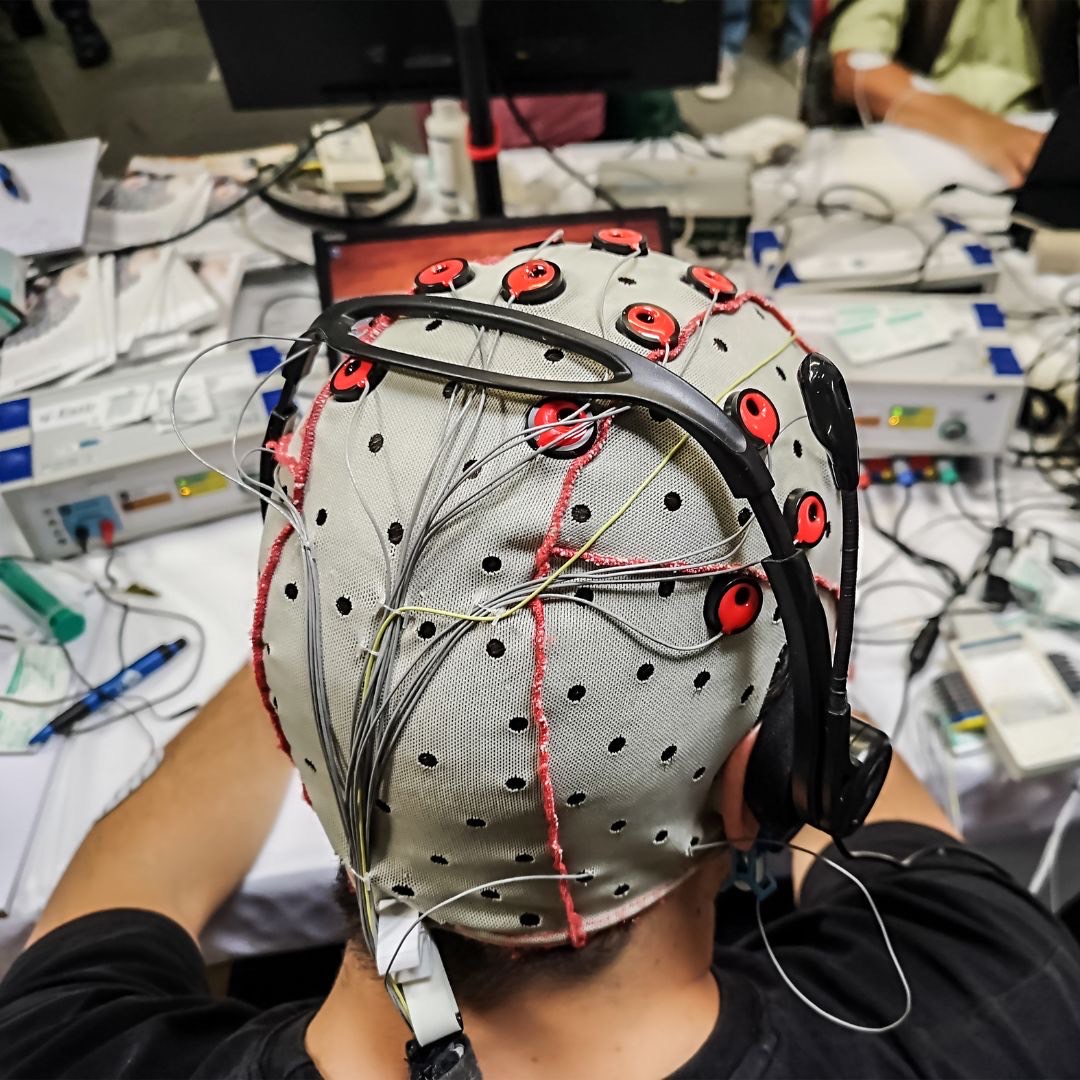
Brain-Computer Interfaces: Revolutionising New Parkinson's Technologies
June 4, 2024
 Beatrice Zatorska
Imagine regaining mobility after a spinal cord injury, or controlling a computer with your thoughts. This is the transformative potential of Brain-Computer Interfaces (BCIs), a rapidly developing field poised to revolutionize healthcare and human capabilities.
A Glimpse into the Future: Michel Roccati's Story
Michel Roccati's life changed dramatically after a motorcycle accident severed his spinal cord. Doctors told him he'd never walk again. However, thanks to a pioneering BCI implant, Roccati can now stand and move with the help of a walker. This incredible story showcases the life-changing potential of BCIs for people with severe paralysis.
How BCIs Work: Bridging the Gap Between Brain and Machine
BCIs act as a bridge between the brain and external devices. By implanting electrodes in the brain or skull, BCIs can detect neural activity and translate it into commands for computers or prosthetic limbs. This allows individuals with paralysis to regain control over movement and communication.
A Booming Market with Ethical Considerations
The potential market for BCIs is massive, estimated to reach billions of dollars within a few years. Companies like Onward Medical (Switzerland), Precision Neuroscience (US), and Neuralink (US) are leading the charge in developing BCI technology. However, ethical concerns surround BCI use. Data privacy is paramount, as BCIs can access a wealth of information about a person's thoughts and intentions. Additionally, the potential for BCIs to alter personality raises ethical questions.
Beyond Paralysis: A Range of Medical Applications
While restoring movement is a primary focus, BCIs have the potential to address a wider range of medical conditions. Companies like Neurosoft Bioelectronics (Switzerland) and InBrain Neuroelectronics (Spain) are exploring BCIs for treating tinnitus and Parkinson's disease. BCIs could also revolutionize communication for people who have lost the ability to speak, as demonstrated by BrainGate's work with ALS patients.
Challenges and the Road Ahead: Refining Technology and Ensuring Accessibility
Despite the progress, BCI technology faces challenges. Interpreting complex brain signals remains a hurdle, and ensuring implant safety and longevity is crucial. Additionally, the high costs associated with BCI development need to be addressed to ensure patients have access to this life-changing technology. Insurance coverage for BCIs is a key factor that will determine their widespread adoption.
The Power of AI and Computing: Unlocking the Full Potential
Advancements in Artificial Intelligence (AI) and computing power will be critical for unlocking the full potential of BCIs. Cloud computing and AI algorithms can analyze vast amounts of brain data, leading to more accurate signal interpretation and more intuitive interfaces.
The Ethical Imperative: Safeguarding Privacy and Human Rights
As BCI research progresses, international bodies like Unesco are taking proactive steps to establish ethical guidelines. Ensuring data privacy, protecting against misuse of neural information, and safeguarding human rights are paramount.
A Brighter Future for Many: Restoring Function and Enhancing Potential
For individuals like Roccati, BCIs offer a brighter future. Beyond restoring lost function, BCIs could redefine human capabilities. Imagine enhancing eyesight, memory, or even learning skills directly through brain stimulation. While the ethical considerations need careful attention, the possibilities offered by BCIs are truly transformative.
Comments (0)
Loading comments...