


Everyday Tech That Helps People with Parkinson’s
October 21, 2025
A few weeks ago, we shared our guide to medical devices for people with Parkinson’s — and wow, what a response. Thank you for your feedback, messages, and ideas. Many of you asked a great follow-up question: what about the everyday gadgets and apps that aren’t made for Parkinson’s but still make life easier? So, based on what people using PD Buddy told us, here’s your community-powered guide to the unsung heroes of daily living — the tech, tools, and clever finds that help in small but mighty ways.
⌚ Wearables: Tracking Movement and Health
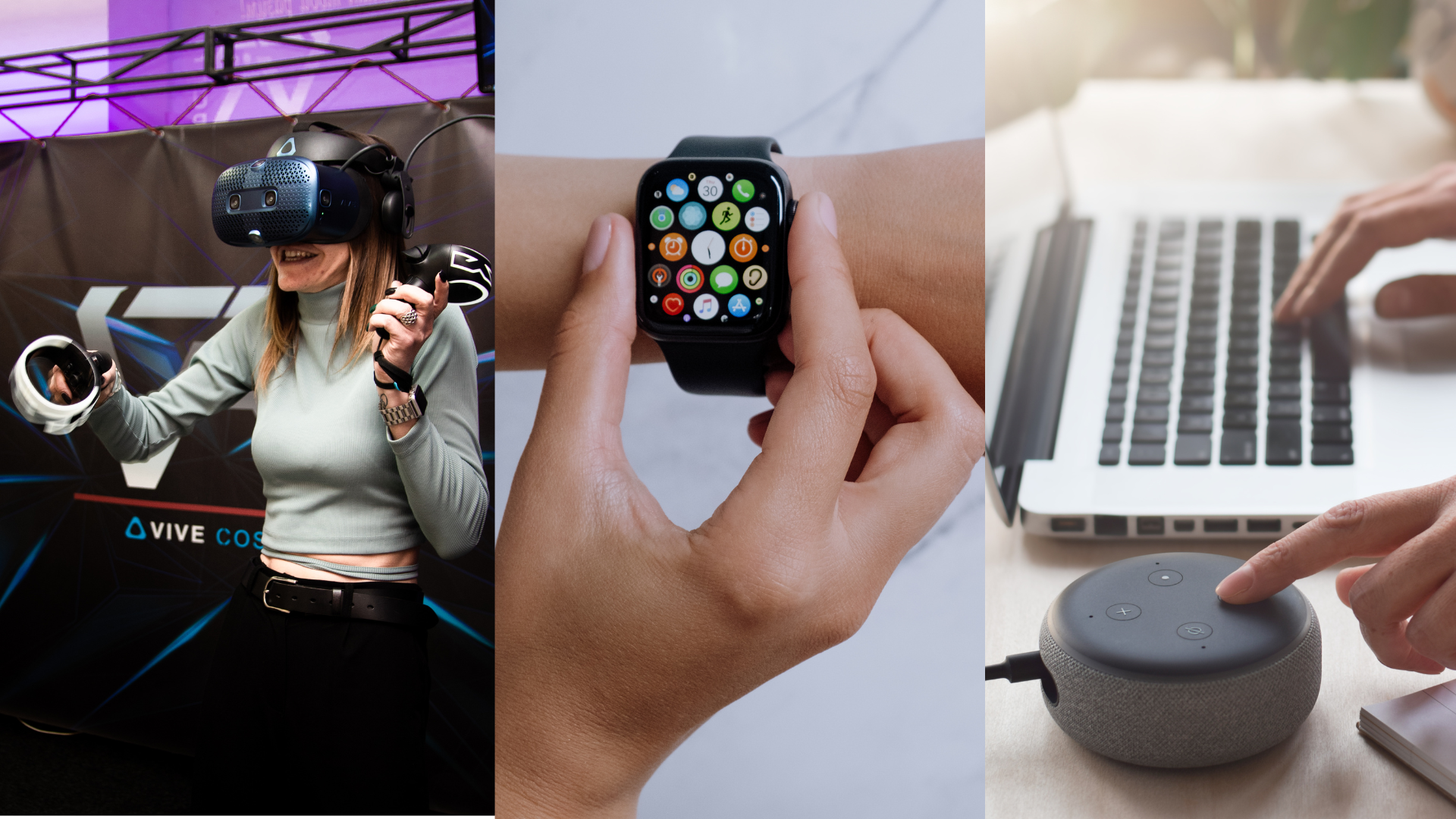
It’s no surprise that Apple Watch tops the list. Beyond counting steps, it tracks heart rate, sleep, and subtle movement patterns. Its fall detection feature can alert family or carers if something’s not right. Prices start around £400 ($480), but you can find refurbished ones for less.
If you prefer something lighter and simpler, Fitbit trackers like the Charge or Inspire fit the bill. They monitor activity and rest with impressive battery life — ideal if you don’t want another daily charge routine. Expect to pay £100–£180 ($120–$220).
Soon, data from Apple Watch, Google Health, and Fitbit will be available in PD Buddy, embedded into your symptom and routine tracking so you can spot patterns.
Then there’s the Oura Ring, a sleek little gadget that quietly measures sleep quality, temperature, and heart rate. It’s perfect for people who’d rather skip wristbands altogether. It even gives you a “readiness score” so you know whether to take it easy or go full tilt. Around £300 ($360) new.
🎮 Virtual Reality: Fun and Safe Exercise
Who says exercise has to be dull? Headsets like Meta Quest or HTC Vive turn workouts into virtual adventures — from balance and coordination games to gentle cardio. Some studies show VR helps with gait, stability, and motivation, especially for those who find repetition a bit soul-crushing. Headsets start from £300–£600 ($360–$720).
✍️ Writing and Fine Motor Tools
If handwriting feels like a battle, digital tools can help. Many people with Parkinson’s use iPads with Apple Pencil or smart pens such as the Neo Smartpen to practise fine movements. You can trace letters, doodle, or simply jot notes while the app tracks your progress. Tablets cost around £350–£500 ($420–$600), smart pens roughly £100–£150 ($120–$180).
Hand massagers have also been a hit, helping to reduce stiffness before writing or using devices. Prices start at £40 ($50).
Some people even use children’s handwriting books or calligraphy practice pads to strengthen fine motor control and improve their writing.
🗣️ Speech and Dictation Tools
Voice changes are common in Parkinson’s, and several tools are making a difference. Voice Analyst and Loud Crowd use visual feedback to help improve volume and clarity, costing under £50 ($60).
Dictation on computers and smartphones can be a real game-changer, letting people convert spoken words into text and skip the keyboard entirely. Among PD Buddy users, the latest Apple computers have stood out — recent improvements make dictation smooth, accurate, and almost effortless, helping with emails, notes, or journaling. Other software, like Dragon, is also available, but feedback from our community has been mixed, with many finding the setup and extra steps too frustrating to bother with.
📝 AI-Powered Note-Taking: Making Appointments Easier
AI-powered note-taking tools are proving invaluable for people with Parkinson’s, especially during doctor appointments. They listen, summarise, and organise conversations into clear notes, so you can focus on the discussion instead of juggling a pen and paper. At PD Buddy, we’re exploring adding a similar feature in the Healthcare Providers section, inspired by tools like Otter.ai, Fireflies, and Notion AI, which capture and organise meeting notes automatically.
📱 iPhone’s Action Mode: Stabilising Video for Tremor-Free Memories
Capturing steady video can be challenging for those with Parkinson’s due to hand tremors. However, the latest iPhone models (iPhone 14 and newer) feature Action Mode, a video stabilisation tool that smooths out shaky footage in real-time. This feature uses advanced digital stabilisation and wider crop framing to maintain steady motion despite camera shake.
Apple's "No Frame Missed" campaign showcases people with Parkinson’s using Action Mode to record stable videos, allowing them to capture precious moments without the distortion caused by tremors.
🏋️ Balance, Strength, and Daily Activity
Low-tech heroes still do heavy lifting. Wobble boards, pedal exercisers, and resistance bands are affordable, portable, and genuinely effective. They build strength and coordination without needing a gym. Most cost between £20–£100 ($24–$120).
Electric body or hand brushes help with washing, giving people with reduced grip strength more independence in daily hygiene. Prices start around £25 ($30).
💻 General Health and Daily Living
Sometimes, the small gadgets have the biggest impact. Smart scales track weight and body composition, pulse oximeters keep an eye on oxygen and heart rate, and posture trackers buzz gently when you slouch — helpful when rigidity creeps in.
Meanwhile, voice assistants like Amazon Echo or Google Home have quietly become everyday allies. Setting medication reminders, turning lights on, playing music, or reading the news — all hands-free, and all quite liberating. Prices start at about £50 ($60).
🧠 Brain Boosters
Staying mentally active matters too. Apps like Lumosity, Peak, CogniFit, and Elevate turn brain training into a daily challenge, keeping memory, focus, and reaction time sharp. Subscriptions range from £4–£12/month ($5–$15/month) — cheaper than a crossword addiction and arguably more varied.
🛠️ Non-Tech Everyday Helpers
Not everything needs a screen. Weighted pens, button hooks, adaptive kitchen tools with larger grips, and non-slip mats can make daily tasks smoother. You’ll find most of these online for £10–£30 ($12–$36), and they often make a bigger difference than flashy gadgets.
We’d love to hear from you! If you’ve discovered a gadget, app, or clever hack that makes daily life easier with Parkinson’s, share it in the Hack PD section on PD Buddy. Your tips could help others find new ways to stay independent, active, and creative every day.
Correction: Thanks to Steve for flagging this. In our previous review of freezing gait devices, we mistakenly listed the Cue1+ as costing £295 (the price from around three years ago). The correct current price is £795, plus ongoing costs for the adhesive patches. However, CUE1+ sales are currently paused while the company completes regulatory updates.
Comments (0)
Loading comments...