


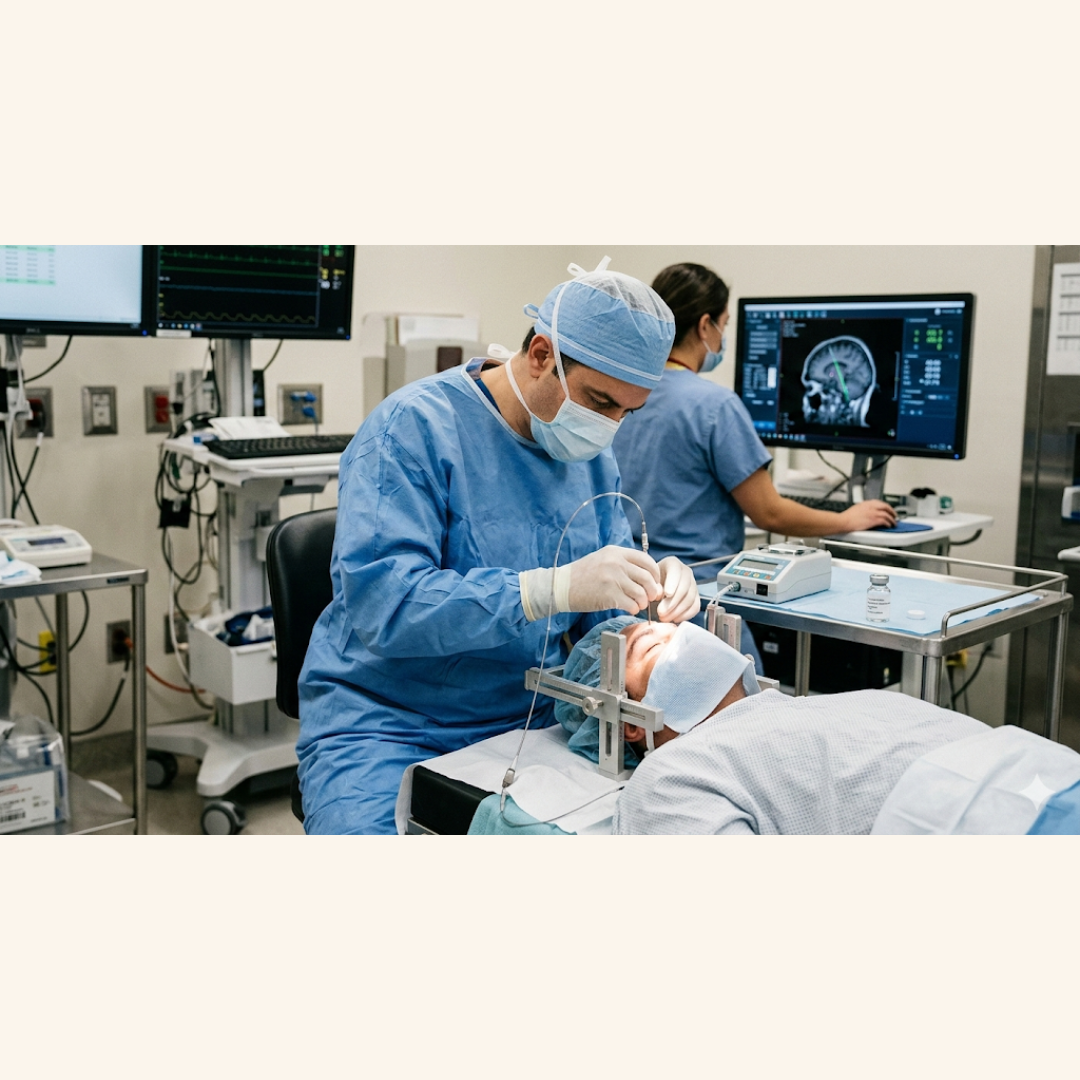
US Clinical Trial Marks Global First as iRegene Doses First Patient with "Off-the-Shelf" Cell Therapy NouvNeu001
February 27, 2026
In a significant leap for regenerative medicine, the first patient in a United States clinical trial has been dosed with a pioneering "off-the-shelf" cell therapy designed to replace lost neurons in people with Parkinson’s. This milestone, taking place at Weill Cornell Medical Center in New York, marks a pivotal shift in how we might one day treat the condition—moving away from managing symptoms and toward actually repairing the brain.
The therapy, known as NouvNeu001, is an investigational treatment developed by iRegene Therapeutics. Unlike traditional treatments that rely on external dopamine replacement, this approach aims to restore the brain's own ability to produce dopamine by transplanting healthy, new cells directly into the putamen, a region central to movement control.
The Science of "Off-the-Shelf" Cells
What makes NouvNeu001 particularly interesting is its "off-the-shelf" nature. Most cell therapies in the past have required complex, personalised processes. However, NouvNeu001 is derived from induced pluripotent stem cells (iPSCs) that are chemically programmed to become dopaminergic progenitor cells.
Using a proprietary "AI + Chemical Induction" platform, the researchers can direct these cells to become the specific type of immature neurons that, once transplanted, mature into functional, dopamine-producing nerve cells. This method allows for a more consistent, scalable, and cost-effective product that can be manufactured and ready for use when a patient needs it.
Encouraging Results and Rapid Progress
The launch of the Phase IIa trial in the US follows highly encouraging data from earlier studies in China. In those initial trials, the therapy was found to be generally safe and well-tolerated. Even more heartening was the observation that participants showed significant improvements in motor function, with some even able to reduce their daily intake of dopaminergic medications.
One particularly striking case from the Phase I trial involved a 37-year-old individual whose motor score (MDS-UPDRS) dropped from a severe 62 points to just 12 points following the treatment. These results gave the U.S. Food and Drug Administration (FDA) the confidence to grant the therapy a "Special Exemption," allowing it to move directly into Phase II testing in the US. The therapy has also received "Fast Track" and "Regenerative Medicine Advanced Therapy" (RMAT) designations, which are reserved for treatments that show potential to address serious unmet medical needs.
A Global Milestone for Multiple System Atrophy
While the Parkinson’s trial is making waves in the US, iRegene has simultaneously hit a second global first in China. They have enrolled the first patient in a randomized controlled trial for NouvNeu004, a related cell therapy specifically designed for Multiple System Atrophy (MSA).
MSA is a rapidly progressive condition that often lacks effective treatment options. This new trial at Beijing Tiantan Hospital represents a major step forward for people with MSA, using a similar strategy of "neural reconstruction" to potentially halt or even reverse the progression of the condition.
Looking Toward a Single-Dose Future
The ultimate goal of these trials is to validate a "single dose, sustained benefit" strategy. Rather than taking multiple pills throughout the day to mask symptoms, a one-time surgical transplantation could potentially modify the course of the condition.
As these parallel trials continue across the globe, the hope is that we are moving closer to a future where cell therapy is a safe, effective, and standard pillar of care. For now, the successful dosing of the first US patient is a beacon of progress for the entire Parkinson's community.
Comments (0)
Loading comments...