


The Interplay of Gut, Brain, and Glycocalyx in Parkinson’s
April 14, 2026
Scientific understanding of Parkinson’s is shifting away from the brain alone and toward a complex interaction involving the gut, dissolved gases, and a microscopic protective layer called the glycocalyx. This research suggests that Parkinson’s is not just a dopamine deficiency but a systemic collapse of biological structures that starts in the digestive tract.
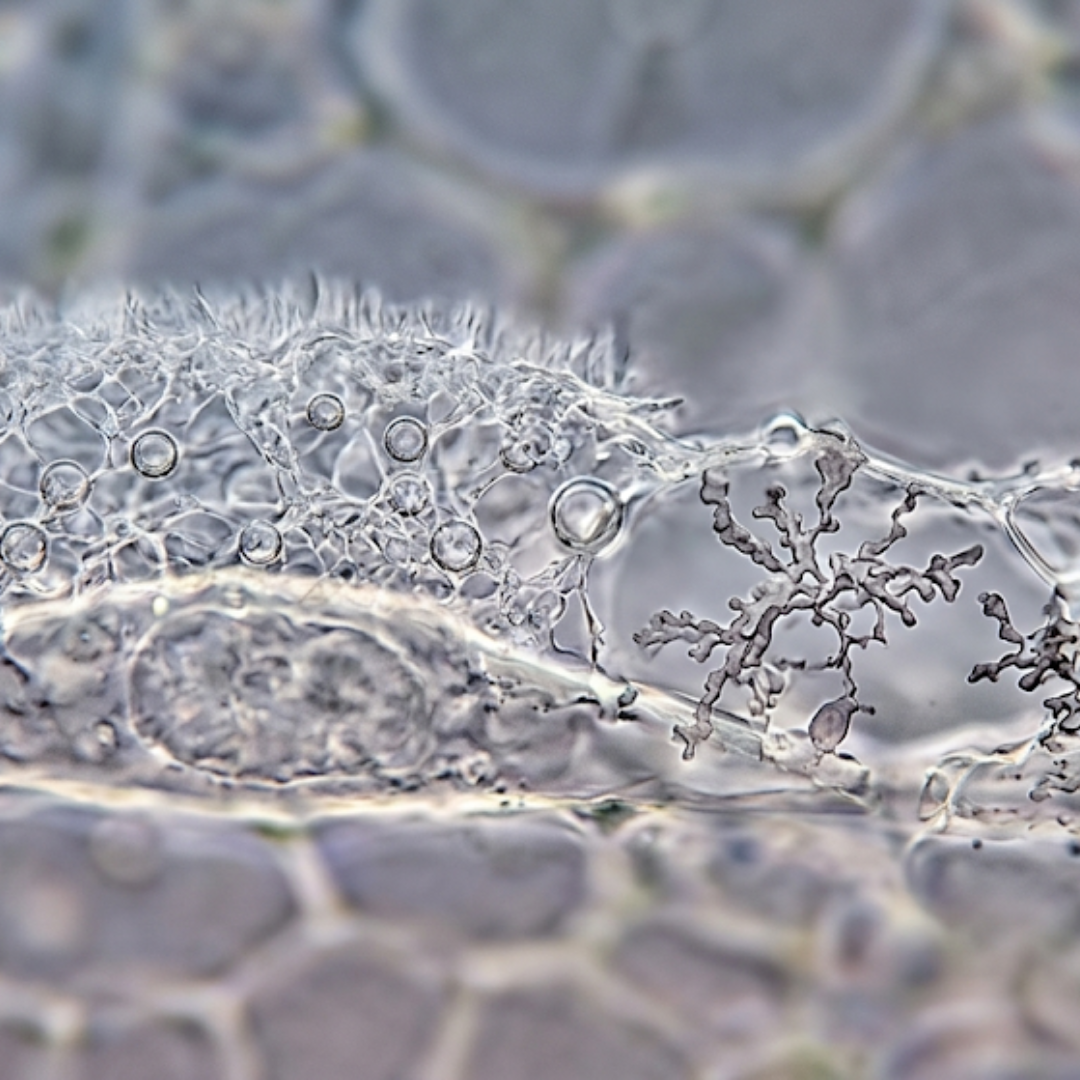
The glycocalyx is a gel-like coating that lines every cell and blood vessel in the body. It acts as a gatekeeper, filtering what enters the cells and maintaining the stability of the fluids surrounding them. One of its most important roles is trapping tiny nanobubbles of gases like oxygen and carbon dioxide. These bubbles are essential because they provide the physical environment needed for proteins to fold correctly and for cells to produce energy.
In people with Parkinson’s, this protective layer appears to break down due to changes in the gut microbiome. Certain bacteria produce excessive amounts of ammonia and carbon dioxide, which alters the local chemistry. This imbalance leads to a "leak" of minerals like potassium and calcium into the bloodstream. When these minerals reach the glycocalyx, they cause it to shrink and lose its protective abilities.
Once the glycocalyx is compromised, the nanobubbles it normally holds begin to merge and become unstable. This is a critical turning point because the protein alpha-synuclein tends to clump together when it touches these unstable air-water interfaces. These clumps, known as Lewy bodies, eventually travel from the gut to the brain, damaging the nervous system along the way.
This process also explains why many people experience severe constipation years before movement issues begin. The excess calcium and potassium in the gut cause waste to harden and stick together, while the nerves that normally signal the gut to move become sluggish due to a lack of energy. Without a healthy glycocalyx, the mitochondria—the powerhouses of the cell—cannot generate the fuel required for normal muscle and nerve function.
Addressing the condition from this perspective requires focusing on the health of this microscopic layer. This involves managing the gut environment to stop the production of harmful gases and ensuring the body has the specific nutrients needed to rebuild the glycocalyx. By restoring the stability of these internal surfaces, it may be possible to protect the brain's neurons and maintain better overall function.
Comments (0)
Loading comments...