


Feed Your Inner Garden: 7 Everyday Habits for a Happier Gut
October 20, 2025
If you live with Parkinson’s, chances are you already know that the gut doesn’t always behave itself. Constipation, bloating, nausea, even changes in how well medication works — all of these can be traced, at least in part, to the gut.
That’s because Parkinson’s doesn’t just affect the brain. It also disrupts the gut–brain axis — the constant two-way conversation between your digestive system and your nervous system. In fact, some scientists think Parkinson’s might even start in the gut years before any tremor appears. The trillions of microbes living there — your gut microbiome — play a key role in digestion, immunity, inflammation and, crucially, brain health.
When your gut microbes are thriving, they can help smooth digestion, support your immune system and even improve how your body absorbs and processes medication. When they’re out of balance, symptoms can worsen. The good news? You can nudge your microbiome in the right direction with simple daily habits — no miracle powders required.
Here’s how to keep your gut garden growing strong.
⸻
1. Eat plants like your microbes depend on it (because they do)
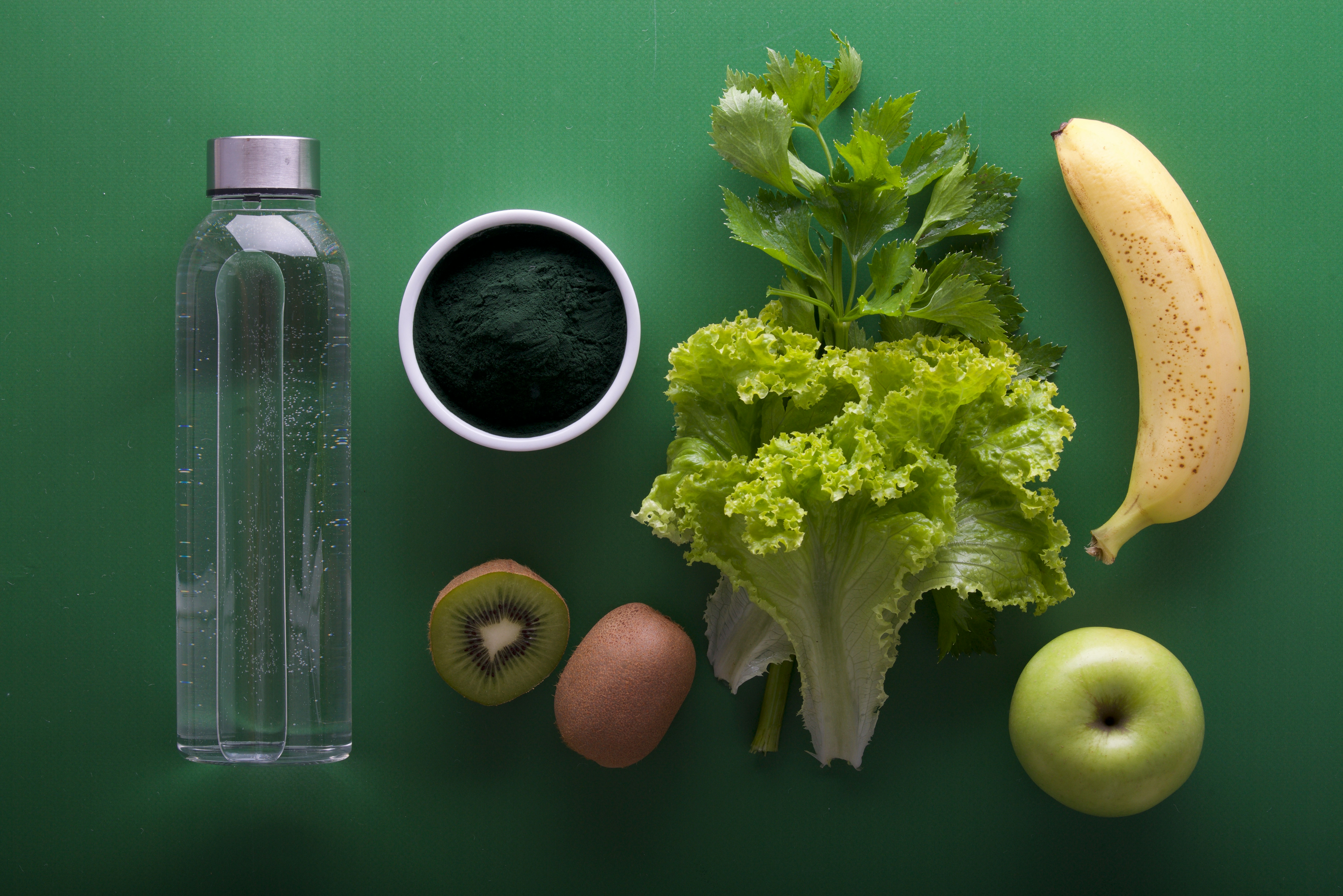
Fibre is your gut’s best friend. Found in vegetables, fruit, beans, lentils and wholegrains, it’s the food your microbes love most. When they digest it, they produce short-chain fatty acids — natural chemicals that strengthen the gut lining, lower inflammation and even influence brain function.
Most adults barely eat half the recommended 30 g a day. Aim higher. A bowl of bran flakes with berries gives you about 8 g; add a lentil soup for lunch (10 g) and a vegetable-packed dinner (12 g) and you’re there. Small swaps make a big difference: wholegrain pasta instead of white, beans in your stew, fruit for pudding.
If you struggle to get enough, try a fibre supplement like psyllium husk or inulin — but build up slowly over several weeks to avoid bloating or wind. And drink plenty of water to help things move smoothly.
⸻
2. Rethink your relationship with alcohol
Alcohol and gut health are uneasy partners. It inflames the gut lining, reduces nutrient absorption and kills off good bacteria. It can also affect medication metabolism and increase bowel cancer risk.
You don’t have to give it up entirely, but cutting back will do your gut (and your brain) plenty of good. Stick to low-alcohol options, avoid sugary alcopops, and aim for at least a couple of dry days each week. Red wine in moderation is fine — but moderation really means moderation.
⸻
3. Move more — for your gut, not just your muscles
Exercise doesn’t just build strength and balance; it boosts gut health too. Research shows that physically active people have a more diverse microbiome — the hallmark of a healthy gut.
You don’t need to train like an Olympian. A brisk 30-minute walk most days, some cycling, swimming or dancing all help. Movement also keeps food moving through your intestines, easing constipation and bloating, which are common Parkinson’s companions.
Even light stretching, chair yoga or short daily walks can make a big difference. The key is consistency, not intensity.
⸻
4. Get your hands dirty
Yes, gardening can be good for your gut. Soil is packed with friendly microbes, and light exposure to them can help boost microbial diversity — something most of us lack thanks to over-sanitised modern living.
You don’t need a big garden. A few pots, a window box or even tending to houseplants will do. It’s grounding, calming, and good exercise too. Wash your hands afterwards, but ditch the obsession with antibacterial gels — your gut microbes will thank you for it.
⸻
5. Share meals, not just messages
Gut health isn’t just about food — it’s also about connection. People who share meals and enjoy regular social contact tend to have healthier, more diverse microbiomes. Humans (and their microbes) are social creatures.
Eating with others lowers stress, improves digestion and adds structure to your day. So, sit down with family, invite a friend, join a lunch group, or simply share a cuppa and chat. Every bit of social connection counts — and your gut agrees.
⸻
6. Treat antibiotics with respect
Antibiotics save lives, but they’re napalm for your microbiome. They wipe out infection-causing bacteria — and many of the beneficial ones that support your gut and immune system.
Only take antibiotics when your doctor confirms a bacterial infection. Afterwards, rebuild your gut with plant-based foods, prebiotic fibres (like bananas, onions and oats), and fermented foods (such as yoghurt, kefir or sauerkraut).
If you’ve had a long or repeated course, a good probiotic supplement for a few weeks can help restore balance. And when shopping for meat, look for antibiotic-free options to avoid residues in your food.
⸻
7. Calm your mind to calm your gut
The gut and brain are hardwired together, so stress, anxiety or poor sleep can wreak havoc on digestion. When stress hormones rise, gut movement slows and microbes shift in all the wrong ways.
Regular mindfulness, deep breathing, gentle yoga or simply taking ten minutes with a quiet cup of tea can help regulate that gut-brain chatter. Better sleep helps too — aim for a consistent bedtime and switch off screens at least half an hour before.
You don’t need to become a meditation expert. Just create small, regular moments of calm. Your nervous system — and your digestive system — will both feel the difference.
⸻
The takeaway
Gut health matters for everyone, but for people with Parkinson’s, it’s particularly important. A balanced microbiome can ease digestive symptoms, improve energy, support immunity and may even influence how well medications work.
Forget expensive “gut health” products. The real work happens at home — on your plate, in your garden, and in how you live. Eat more plants, move your body, stay social, cut back on booze, manage stress and use antibiotics wisely.
Your gut garden is alive. Treat it well, and it will return the favour — with better digestion, steadier energy and, just maybe, a calmer mind and smoother day.
This article was written with insights from Dr James Kinross, a colorectal surgeon at Imperial College London, microbiome scientist, and author of Dark Matter: The New Science of the Microbiome.
Comments (0)
Loading comments...