


NPT100-18A Reduces Mitochondrial Stress in Human-Based Parkinson’s Model
September 1, 2025
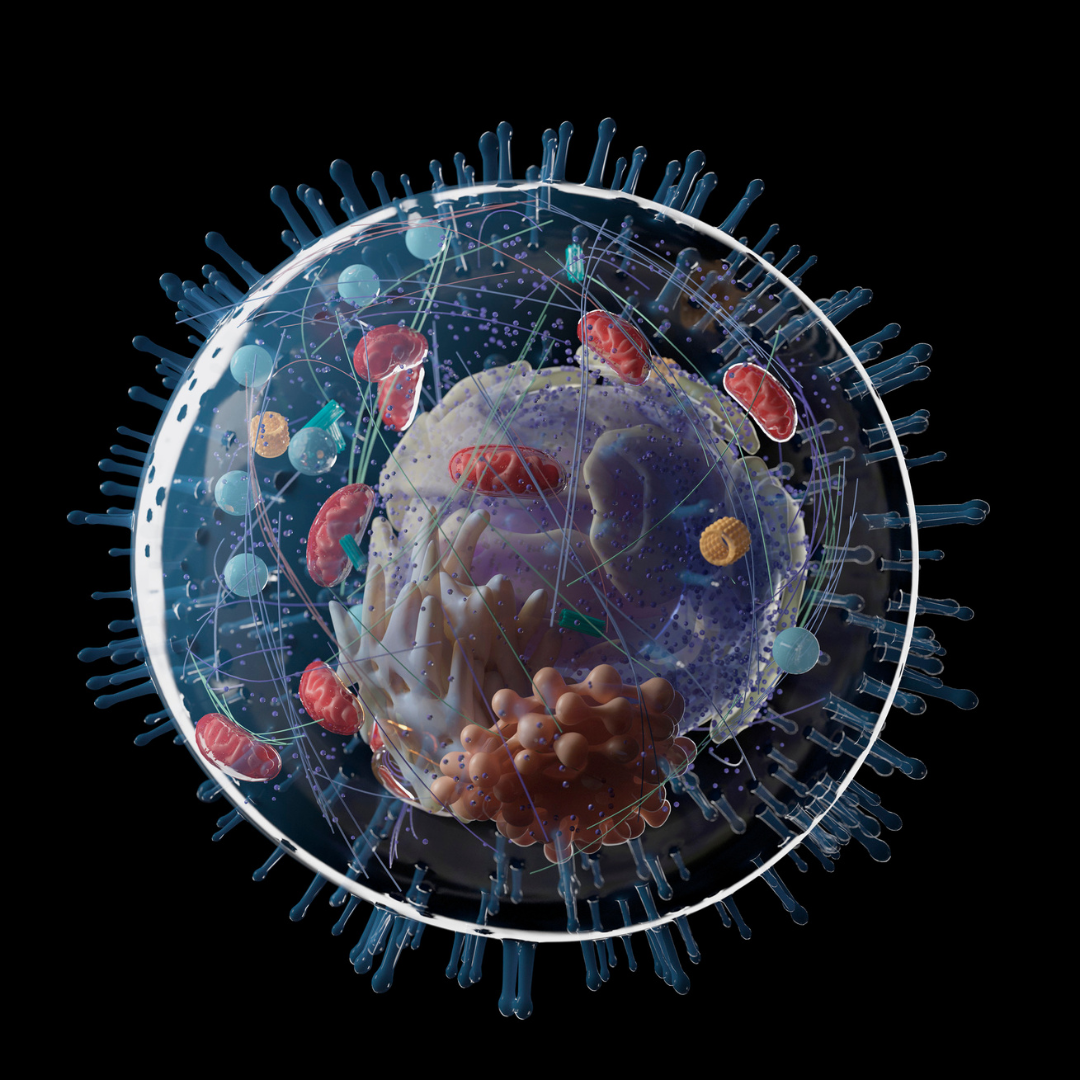
Scientists have tested a small molecule called NPT100-18A in human cell models derived from patients with Parkinson’s. This compound helps protect dopamine-producing neurons by reducing oxidative stress in mitochondria—the energy factories of the cell—and preventing early signs of neuron death.
Why mitochondria and oxidative stress matter
In Parkinson’s, dopamine neurons are especially vulnerable because they require a lot of energy and face constant oxidative stress. Misfolded alpha-synuclein protein (aSyn) forms toxic clumps that further harm mitochondria. When mitochondria malfunction, cells lose power and are more likely to die. Reducing oxidative stress and preserving mitochondrial function is key to protecting these neurons.
What the study did
Researchers used human induced pluripotent stem cells (iPSCs) reprogrammed into dopamine-producing neurons from people with a genetic form of Parkinson’s (SNCA gene duplication) and healthy controls. They treated these neurons with NPT100-18A. They then measured oxidative stress in mitochondria and the cell body, levels of ATP (cellular energy), and markers of early cell death like activated caspase-3.
What they found
Patient-derived neurons showed high oxidative stress in mitochondria and lower ATP levels compared to controls, indicating energy failure and early cell damage. NPT100-18A significantly reduced mitochondrial oxidative stress, prevented activation of caspase-3 (a marker of cell distress), and, at higher doses, boosted ATP levels—even in the patient neurons. Essentially, NPT100-18A helped normalize energy production and reduce early signs of neuron death.
Why this matters
This study shows that NPT100-18A can protect human-derived dopamine neurons from early damage by targeting the toxic effects of alpha-synuclein on mitochondria. It's an encouraging proof of concept for a new type of neuroprotective strategy in Parkinson’s research. Since it works in human cells, it may offer a clearer path toward future therapies that slow or halt neuron loss.
What we don’t know yet
These results are from lab-grown human neurons, not live animals or people. It remains to be seen if NPT100-18A is safe and effective in living systems. Further testing—especially in animal models and eventually clinical trials—will be needed to determine if this compound really holds promise as a treatment for Parkinson’s.
Comments (0)
Loading comments...