


How Mrs. Zhang Reclaimed Her Life After 35 Years with Parkinson’s
April 17, 2026
During this Parkinson’s Awareness Month, a wave of incredible stories has swept across our community, each one showcasing the profound courage and resilience of people living with the condition. We have seen many examples of individuals facing daily challenges with unmatched strength, but one story from China stands out as a beacon of hope for this year. The journey of Mrs Zhang should serve as the ultimate motto for this month’s message: a testament to the power of resilience through a multidisciplinary approach.
The story of Mrs Zhang is a profound testament to the power of human spirit and the precision of modern medicine. After thirty-five years of living with Parkinson’s—a journey that began decades ago and saw her navigate the slow, changing tides of the condition—she found herself facing a crisis that transcended neurology. As families across China gathered to celebrate the Spring Festival in early 2026, the 75-year-old was fighting for her life in a hospital bed in Shanghai, caught in a medical storm that would test the very limits of what a "team approach" truly means.
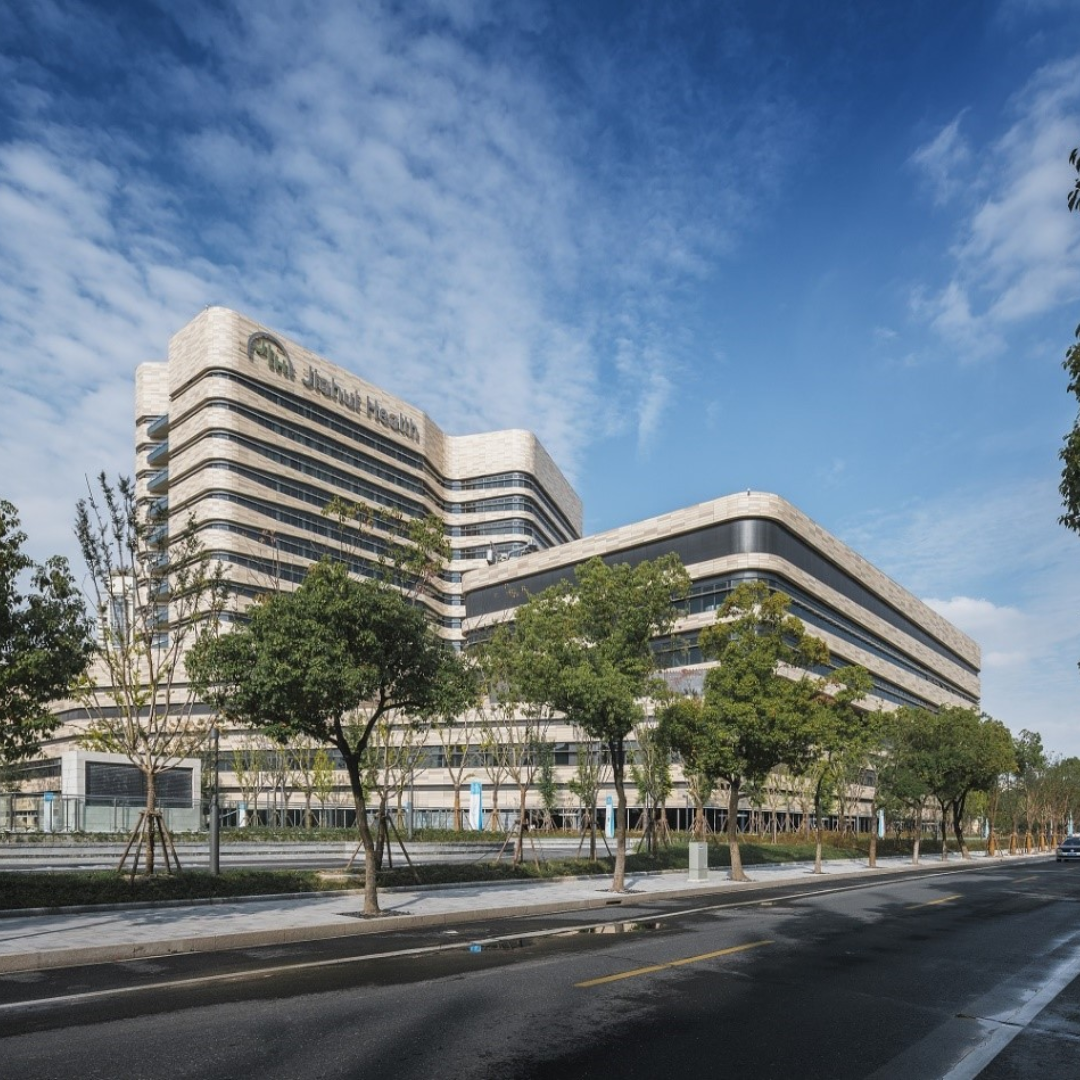
Her ordeal began not with a tremor, but with a hidden disaster deep within her digestive system. A sudden duodenal perforation had allowed infection to seep into a liver cyst, creating a massive abscess. By the time she arrived at Jiahui International Hospital, Mrs Zhang was drifting in and out of consciousness, her body weakened by severe malnutrition and a recent bout of influenza. To most, the combination of her advanced Parkinson’s and a life-threatening abdominal infection seemed like a point of no return. Yet, her doctors saw something different: a woman who, despite thirty-five years of illness, remained articulate, polite, and possessed of a deep will to live.
The recovery that followed was a magnificent "combined operation" involving every corner of the hospital. Because Parkinson’s affects the brain’s delicate chemical balance, every step was a tightrope walk. The radiology team had to wait for the brief moments between her tremors to capture high-definition images. Surgeons had to repair her gut while knowing that anaesthesia could throw her dopamine levels into total chaos. The gastroenterology team performed a brilliant endoscopic manoeuvre, using indigo dye to track the internal passage of the infection and placing a vital feeding tube that became her lifeline, allowing Parkinson’s medications to reach her brain even when she could no longer swallow.
In the quiet of the ICU during the festive season, a silent battle unfolded. The neurology team kept a minute-by-minute diary of her responses, adjusting her medication with painstaking precision—sometimes down to one-eighth of a tablet—to stop her from swinging between rigid stillness and violent, involuntary movements. It was a delicate dance of chemistry, managed day and night. The nurses moved with an unhurried, compassionate gentleness, helping her sit up for the first time in weeks, waiting patiently until her breathing calmed before she took those first brave steps toward independence.
By early March, as the magnolia buds began to bloom across the city, Mrs Zhang achieved her own personal spring. The woman who had been bedridden and incoherent was gone. In her place was a woman who stood independently, held a spoon to feed herself, and even composed a hundred-character poem to mark her victory. Her story is more than a medical case study; it is the ultimate message for this Parkinson’s Awareness Month. It proves that even after three and a half decades, a diagnosis is not a closed door. With a team that treats the whole person rather than just the condition, resilience can turn even the most critical crisis into a story of reclaimed life.
Comments (0)
Loading comments...