


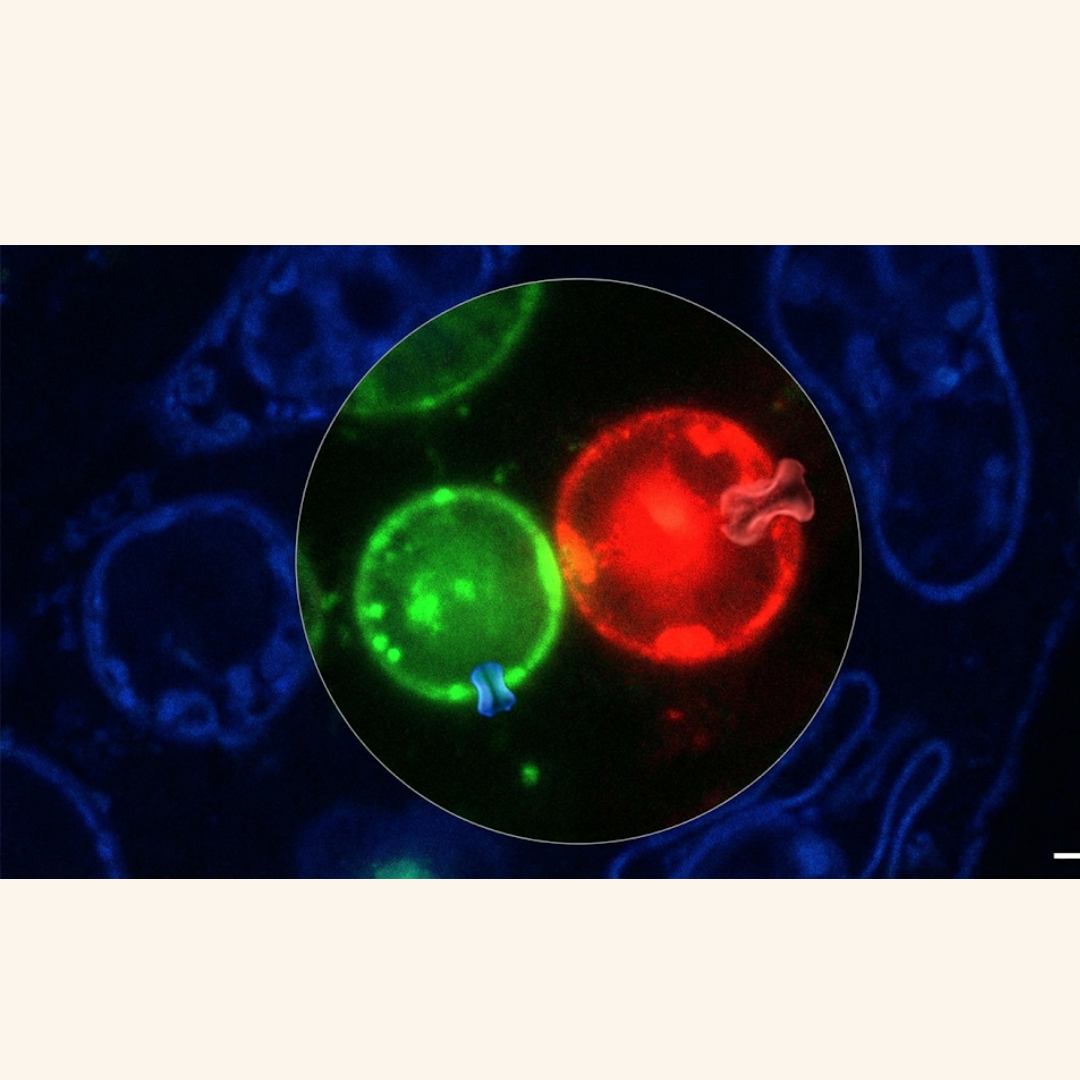
A Tiny "Safety Valve" in Your Cells Could Be the Next Big Drug Target
January 19, 2026
Researchers in Germany have just cracked a decades-old biological mystery that could lead to an entirely new class of treatments for Parkinson’s. Published in mid-January 2026, this study focuses not on dopamine or the usual suspects, but on a tiny "overflow valve" hidden inside your cells.
For years, scientists have known that people with Parkinson’s often have issues with their cellular recycling centres, known as lysosomes. Think of lysosomes as the stomach of the cell. They are small, acidic bubbles that break down waste and old proteins. If they are not acidic enough, they cannot digest the waste. If they are too acidic, they stop working properly. When this recycling system fails, toxic waste—like the sticky proteins that cause Parkinson's—starts to pile up.
The Discovery: Finding the Missing Valve
A team from the University of Applied Sciences Bonn-Rhein-Sieg and LMU Munich has finally identified exactly how these recycling centres keep their balance. They discovered the true function of a specific protein channel called TMEM175.
Until now, this protein was a bit of a puzzle. Scientists knew it was important—mutations in the gene that makes it are a known genetic risk factor for Parkinson’s—but they argued over what it actually did. Some thought it moved potassium; others were not sure.
The new study settles the debate: TMEM175 acts as a proton safety valve.
Imagine you are filling a bathtub. You need a way to stop the water from overflowing. This protein does exactly that for acidity. When the recycling centre becomes too acidic, this valve opens up to release the excess pressure (protons), keeping the environment perfect for breaking down waste.
Why This Matters for You
This discovery is exciting because it gives drug developers a brand new target. In many people with Parkinson’s, this valve might be "stuck" or faulty, causing the recycling centres to become too acidic and fail.
If pharmaceutical companies can design a drug that acts like a mechanic—fixing or tuning this specific valve—they could potentially restore the cell’s ability to clear out toxic waste naturally. Instead of just replacing lost chemicals like dopamine, this approach would help the brain clean itself up, tackling one of the root causes of the condition.
While this is currently in the early research stages, decoding the "wiring" of this valve is the crucial first step toward building a drug that can control it. It is a promising reminder that we are still finding new doors to open in the fight against Parkinson’s—and now, we know exactly which key might fit.
Comments (0)
Loading comments...