


Simple Fats for Complex Repairs: How Myristic Acid May Protect Parkinson’s Brain Cells
April 15, 2026
A new study published in Nature has identified a potential way to reverse some of the cellular damage associated with Parkinson’s. The research, titled "Lipid membrane remodeling by myristic acid treatment reverses Parkinson’s disease α-synuclein phenotypes in patient neurons," focuses on how a specific type of fat can help repair the membranes inside our brain cells.
The Role of Membranes and Fats
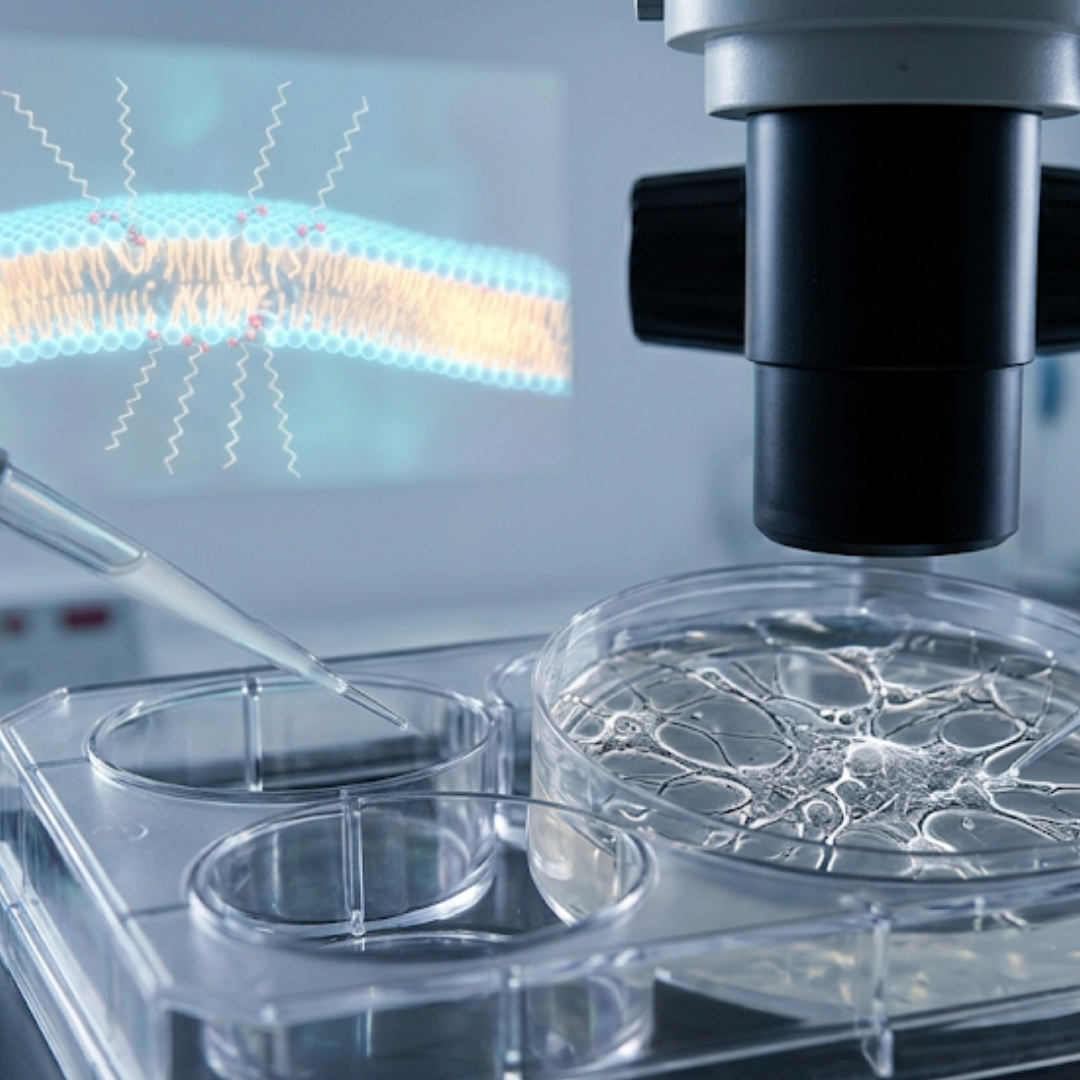
Our brain cells are filled with tiny structures called organelles, which are all wrapped in protective fatty layers known as lipid membranes. In Parkinson’s, these membranes often become damaged or "remodelled" in a way that prevents the cell from functioning properly.
One of the main issues is the behaviour of alpha-synuclein. This protein is supposed to help with communication between cells, but in Parkinson’s, it tends to clump together. The study found that these clumps are closely linked to a breakdown in the fat balance of the cell's membranes.
What is Myristic Acid?
The researchers discovered that treating patient-derived neurons with myristic acid—a common saturated fatty acid—could actually fix these broken membranes.
Myristic acid works by integrating itself into the cell's fatty layers. This "remodelling" makes the membranes more stable and resilient. When the membranes are healthy, the alpha-synuclein protein is less likely to misfold and form the toxic clumps that lead to the loss of dopamine-producing neurons.
Key Findings from the Research
The study used advanced laboratory techniques to watch how neurons reacted to this treatment. The results were significant:
Reversing Damage: Myristic acid didn't just stop new damage from occurring; it helped reverse existing issues in the way the cell membranes were shaped.
Reducing Protein Clumps: By fixing the "home" where these proteins live (the membrane), the researchers saw a reduction in the harmful alpha-synuclein phenotypes.
Restoring Function: The neurons treated with this fatty acid showed improved health and better survival rates compared to those that were untreated.
What This Means for the Future
While this research was conducted on neurons in a laboratory setting, it opens up a very exciting door for new treatments. It suggests that instead of just trying to "clear away" toxic proteins, we might be able to prevent them from forming by keeping the cell's fatty architecture in good shape.
It also highlights the importance of "lipid metabolism"—the way our bodies process fats—in the health of our brains. This could eventually lead to new dietary interventions or specialized supplements designed to reinforce the cell membranes of people living with Parkinson’s.
Comments (0)
Loading comments...