


Rhapontin and the Gut-Brain Link in Parkinson's
February 6, 2026
A new study has highlighted a compound called rhapontin as a potential ally in tackling the digestive issues that often accompany Parkinson’s. By activating a specific protein in the colon known as NRF2, rhapontin appears to help shield the gut from the inflammation and dysfunction that many people with the condition experience daily.
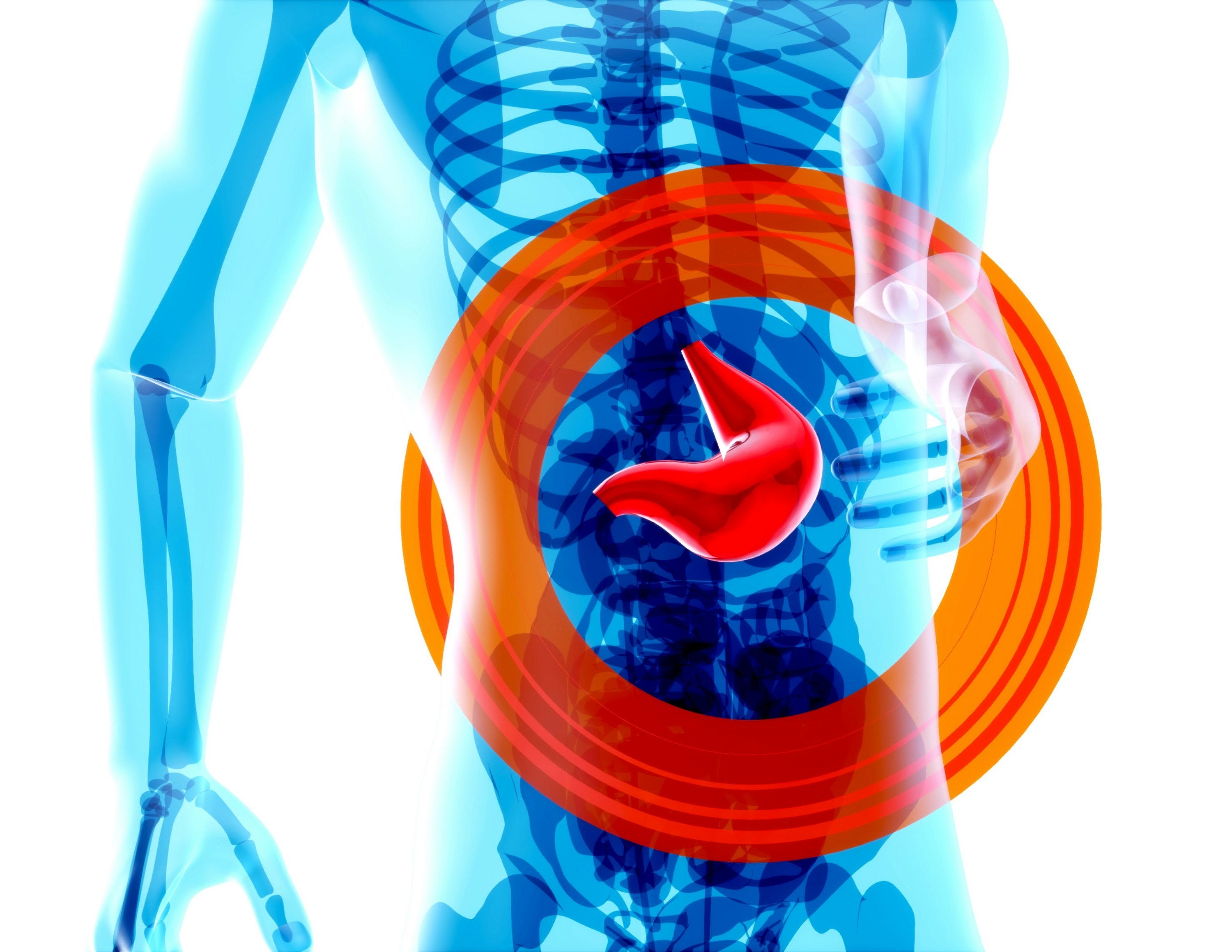
The research focuses on the "gut-brain axis," which is the constant communication line between your digestive system and your brain. For people with Parkinson’s, the gut often becomes "leaky" or inflamed long before movement symptoms like tremors appear. This study suggests that rhapontin, a natural substance found in plants like rhubarb, can strengthen the gut lining. By turning on the NRF2 protein, it acts like a repair crew, fixing the barrier that keeps harmful toxins from escaping the gut and traveling toward the nervous system.
For those living with the condition, this could eventually mean more than just better digestion. If we can keep the gut healthy and calm the inflammation there, we might be able to slow down the progression of the condition overall. It suggests a future where a simple plant-based compound could be used alongside standard treatments to protect the body from the "bottom up," potentially easing long-term symptoms like constipation and stomach discomfort.
While the results are promising, there is still more to learn. Scientists need to confirm how rhapontin interacts with the various bacteria in the human gut and exactly how much is needed to make a difference. However, it offers a hopeful new direction that treats the gut as a priority rather than an afterthought.
Comments (0)
Loading comments...