


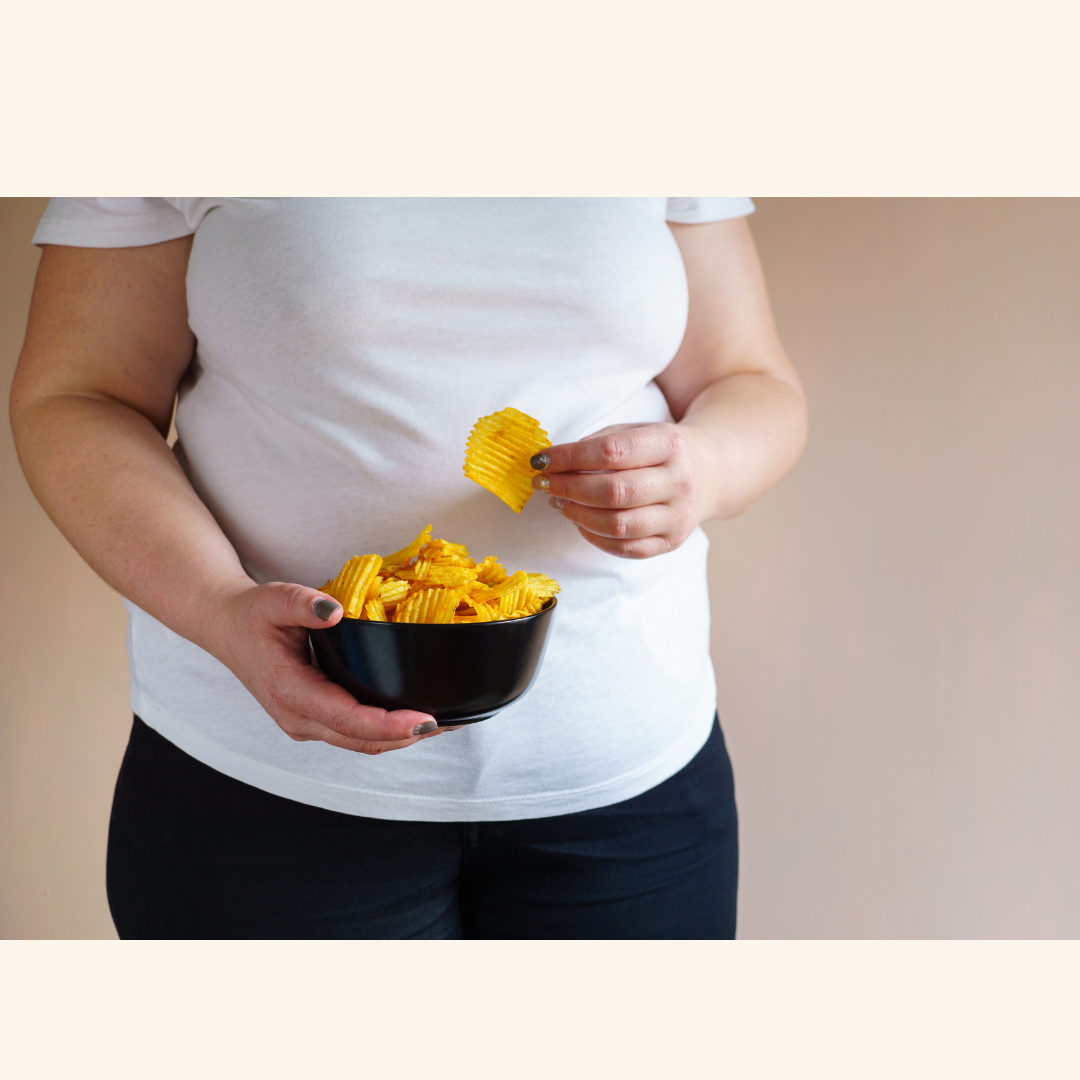
Ultra Processed Foods May Accelerate Parkinson’s Brain Changes
May 10, 2025
Here’s another reason to think twice about that second helping of packaged snacks or fizzy drinks: a major new study has found that people who eat a lot of ultra-processed foods may be much more likely to show early signs of Parkinson’s disease—even years before the condition fully develops.
Researchers tracked over 42,000 adults for up to 26 years and found that those eating 11 or more servings of ultra-processed foods per day were 2.5 times more likely to show multiple prodromal (early) symptoms of Parkinson’s. That’s a big deal, because these subtle signs—like sleep disturbances, loss of smell, low mood, and body pain—can crop up years or even decades before the classic Parkinson’s symptoms such as tremor or stiffness begin.
Ultra-processed foods include things like:
• Sugary sodas
• Packaged cakes and cookies
• Hot dogs and deli meats
• Flavoured yoghurts
• Sauces, condiments, and crisps
These are foods that go through lots of industrial processing and often come with a long list of ingredients you wouldn’t find in your kitchen.
What Did the Study Find?
People who consumed 11+ servings of ultra-processed foods a day were 2.5 times more likely to have three or more early Parkinson’s signs compared to those eating fewer than three servings.
The early symptoms most linked to diet included poor sleep, impaired sense of smell, low mood, and general body pain.
The only early symptom that wasn’t linked to diet was constipation.
Participants’ diets were tracked over time using food diaries completed every 2–4 years.
Each serving was about the size of one can of soda, one hot dog, or a slice of packaged cake.
Lead author Dr Xiang Gao from the Institute of Nutrition at Fudan University in Shanghai said,
“There’s growing evidence that what we eat may play a role in the development of Parkinson’s. Our research shows that diets high in processed food could be speeding up early signs of the disease.”
What This Means for You
Although the study doesn’t prove that ultra-processed foods cause Parkinson’s, it adds to a growing pile of research suggesting our diets can influence brain health—and possibly the risk of neurodegenerative diseases.
Choosing whole, less processed foods might not just be good for your waistline or your heart—it could help protect your brain too.
A Few Notes of Caution
The study relied on self-reported food diaries, which means some people might not have remembered exactly what or how much they ate.
It’s also important to remember that correlation isn’t causation—more research is needed to confirm these findings.
Still, with evidence mounting that diet matters more than we realised, it might be time to look at that ingredients list a little more closely.
Comments (0)
Loading comments...