


How tiny brain cell packages could hold the key to understanding Parkinson’s
August 10, 2026
 Beatrice
Inside the brain, billions of cells are constantly talking to each other using specialised chemical messengers. For people living with Parkinson's, one specific messenger called dopamine takes center stage. Dopamine is essential for smooth, controlled movement, and the progressive loss of the brain cells that produce it is what leads to symptoms like tremors, stiffness, and slowness.
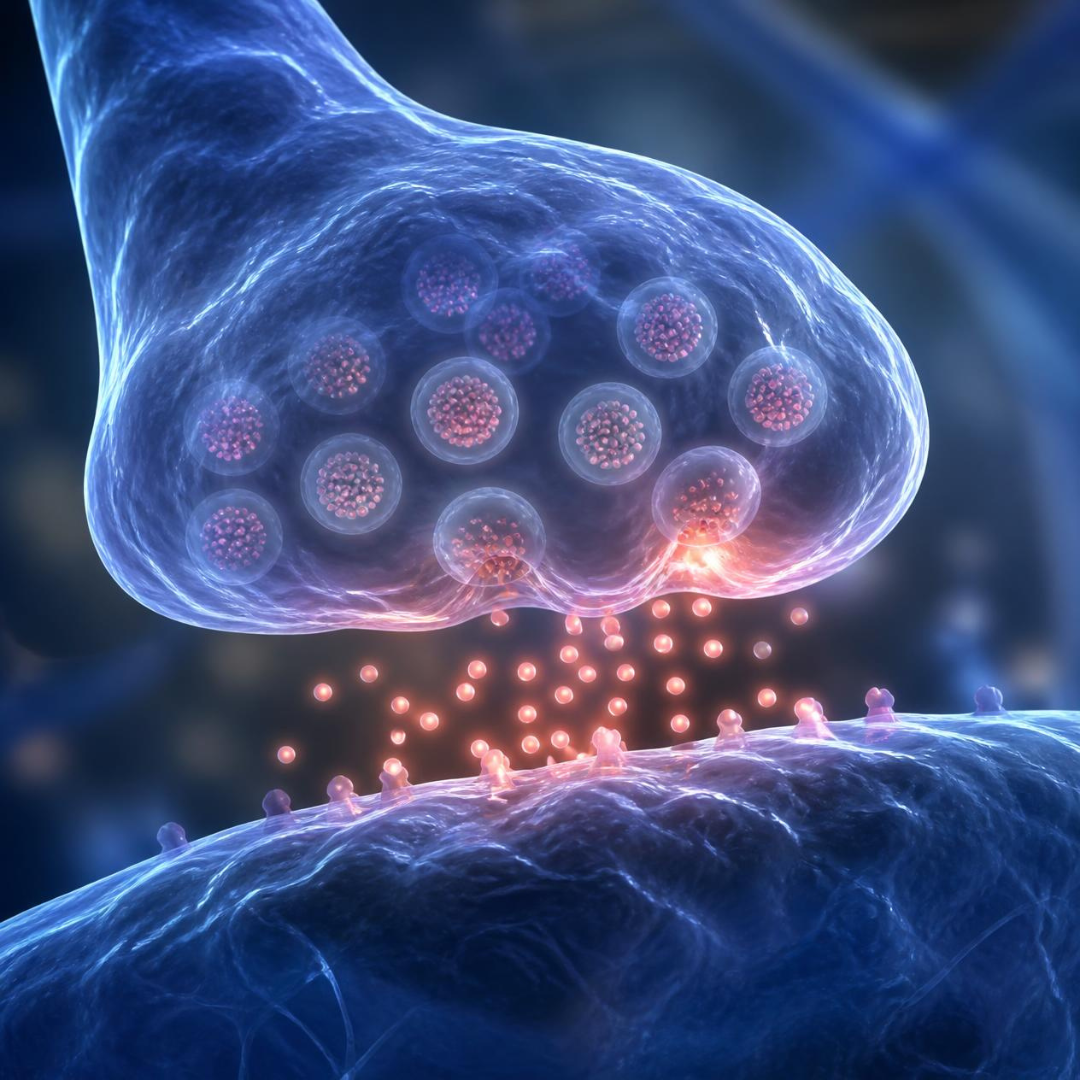
To deliver dopamine, brain cells pack the chemical into tiny, bubble-like sacs called synaptic vesicles. When a signal travels down a neuron, these little bubbles fuse with the outer wall of the cell and spill their chemical cargo into the gap between cells, allowing the message to pass along. For a long time, scientists assumed these tiny delivery packages were fairly standard across different types of brain cells. However, a study led by researchers at Cedars-Sinai Health Sciences University, published in Science Advances, has revealed that dopamine-releasing cells use a very unique setup.
By studying the brains of mice, the research team discovered that the synaptic vesicles carrying dopamine are built with a distinct combination of proteins compared to those carrying other brain chemicals. Katlin Silm, an assistant professor of Biomedical Sciences and Neurology and senior author of the study, explained that these structural differences fundamentally shape how dopamine gets released. The specific makeup of a vesicle dictates how quickly, efficiently, and under what conditions it can fuse with the cell membrane to drop off its payload.
Understanding these unique protein blueprints is a crucial breakthrough. Because dopamine-producing cells operate differently from other neurons, they may also face distinct stresses that make them particularly vulnerable over time. Uncovering the exact molecular composition of these delivery vesicles gives scientists a clearer picture of why dopamine cells behave the way they do, laying important groundwork to investigate what affects their long-term health and stability.
Comments (0)
Loading comments...