


New research identifies GPNMB protein as a target for slowing Parkinson’s
May 13, 2026
Researchers at the University of Pennsylvania have discovered a specific protein that acts like a catalyst, helping Parkinson’s move through the brain. This protein, known as GPNMB, appears to create a damaging cycle that speeds up the spread of toxic clumps between brain cells.
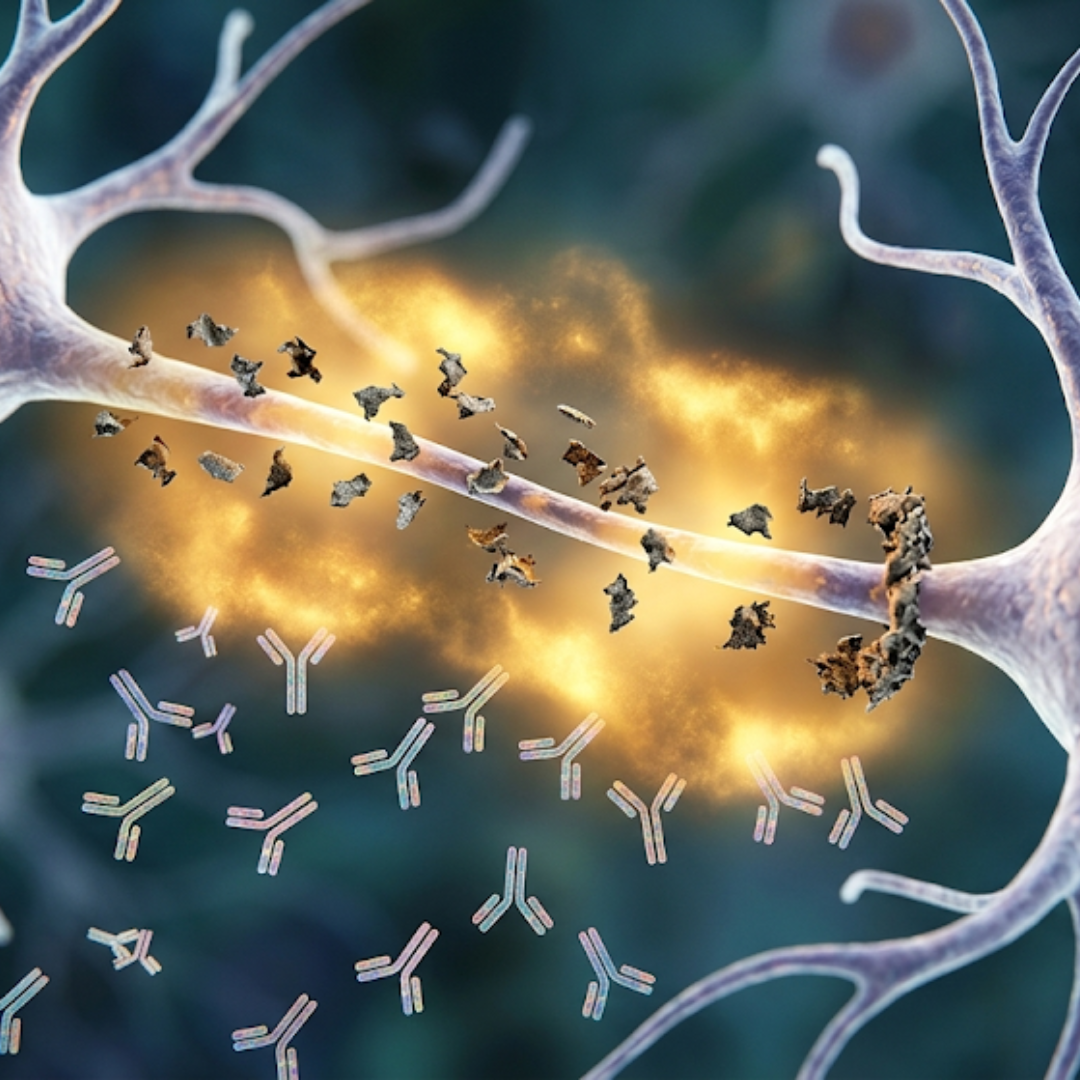
In the brains of people with Parkinson’s, a protein called alpha-synuclein begins to form sticky clumps. These clumps travel from one nerve cell to the next, causing damage as they go. This movement is what leads to the worsening of symptoms over time, such as tremors or mobility issues. While current treatments are excellent at managing these symptoms, we do not yet have a way to stop the underlying spread itself.
The study found that the brain’s own immune cells, called microglia, are the main source of GPNMB. When these immune cells sense that nerve cells are injured, they produce more of this protein. A specific enzyme then snips the protein and releases it, allowing it to move freely and encourage alpha-synuclein to spread even faster. It creates a self-reinforcing loop where cell damage triggers more GPNMB, which then causes even more damage.
By using laboratory-made antibodies to block GPNMB, scientists were able to break this cycle. In tests involving cultured cells, stopping the protein successfully prevented the toxic clumps from moving to healthy cells.
To see if this applied to humans, the team looked at data from over 1,600 donated brains. They found that people with a genetic tendency to produce higher levels of GPNMB had much more extensive damage from alpha-synuclein. Interestingly, this link was very specific to Parkinson’s and was not seen in other conditions like Alzheimer’s.
While this research is still in the early stages, it provides a very clear target for future therapies. If we can develop a way to safely block GPNMB in humans, it might finally offer a way to slow down or even stop the progression of Parkinson’s before it reaches later stages.
Comments (0)
Loading comments...