


How a Simple Strap is Teaching the Brain to Walk Again
January 3, 2026
It is important to start with some context: the idea of "cueing" the brain to overcome Parkinson’s freezing is not new. For years, people have used simple metronomes, laser canes that project a line on the floor, or even just a rhythmic tap on the leg to break the deadlock of Freezing of Gait. More recently, we have seen sophisticated wearables like the CUE1 (from Charco Neurotech in the UK) and similar devices from gaitQ enter the market, proving that technology can effectively bridge the gap between intent and movement.
Now, there is another serious contender joining this landscape, and it is taking a slightly different, highly practical approach.
A Mumbai-based startup, Lifespark Technologies, has released a device simply called WALK. While it shares the same goal as its predecessors—helping you put one foot in front of the other—its engineering and accessibility make it a noteworthy addition to the toolkit.
How It Works
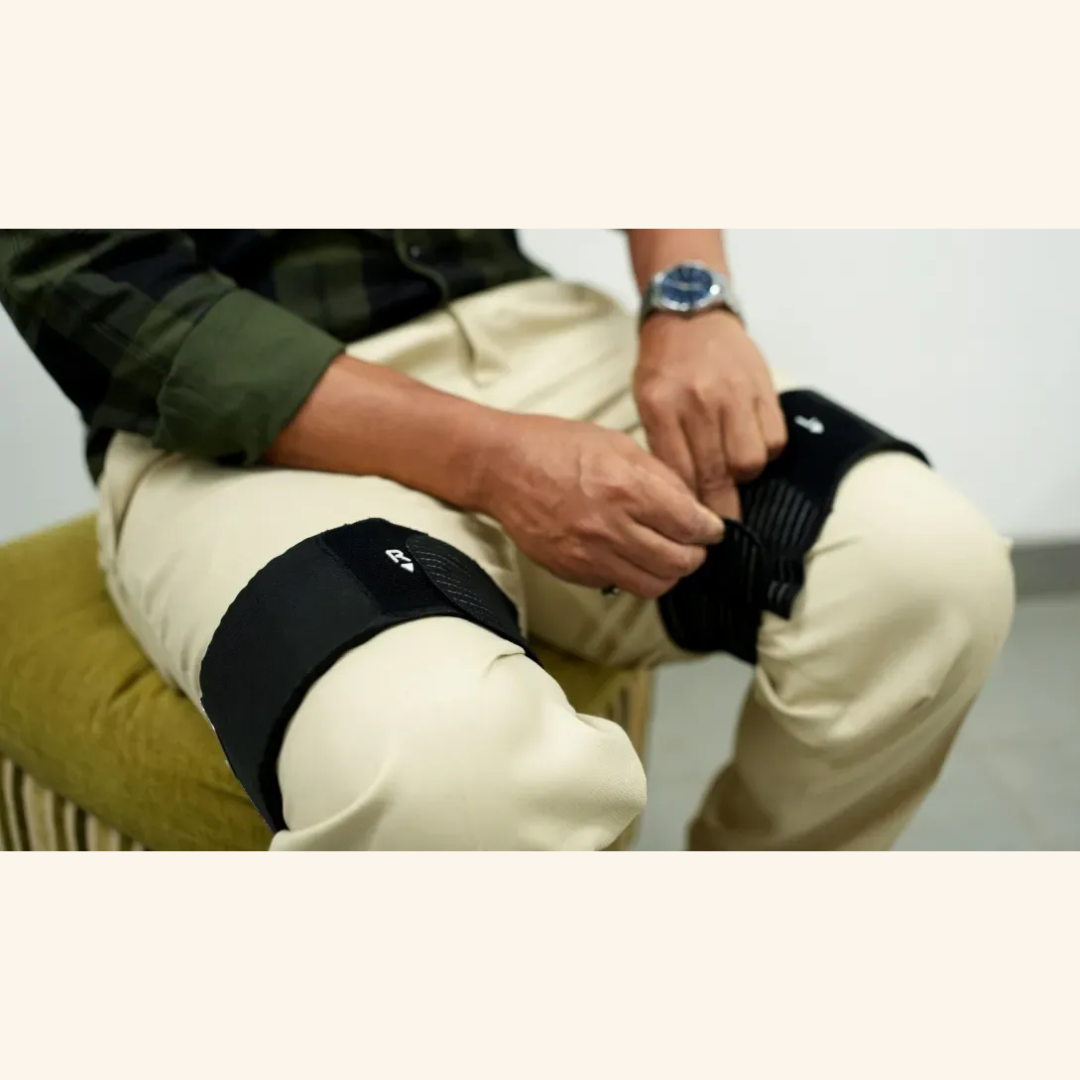
Unlike some devices that sit on the chest or use auditory beats, the WALK unit straps directly to the thigh, where the action happens. It uses built-in accelerometers and gyroscopes (the same sensors found in your smartphone) to continuously monitor your gait.
The device doesn’t just vibrate randomly. It is designed to detect the specific, subtle hesitation that precedes a freeze. When it spots this pattern, it delivers a precise haptic vibration and gentle electrical stimulation to the muscles. This "neuromodulation" acts as an external prompt, effectively bypassing the glitchy loop in the brain's Basal Ganglia and signaling the spinal cord to initiate a step.
The Data
In clinical trials, the results have been robust. The device demonstrated a reduction in freezing episodes by nearly 50 per cent in a single session. It is not a "cure-all"—no device is—but for the 300-plus families currently using it in India, it has offered a significant improvement in reducing fall risk and boosting confidence.
Availability and Cost
One of the most compelling aspects of this device is its price point relative to the wider medical market. It currently retails in India for approximately ₹49,999 (roughly £470 or $500). This includes the wearable unit and access to a comprehensive app that tracks gait metrics and gamifies physiotherapy exercises—a smart touch to encourage daily movement.
The WALK device is currently available primarily in India, but it represents a growing trend of affordable, "ground-up" innovation in the Parkinson’s space. It isn't magic, and it isn't the first of its kind. But it is a refined, well-engineered application of a proven concept. As we wait for pharmaceutical breakthroughs, these mechanical "brain hacks" remain our best reliable tools for navigating the daily reality of the condition.
Comments (0)
Loading comments...