


Molecular ‘glue’ compound restores mutated parkin protein function
September 26, 2024
 LeahJS
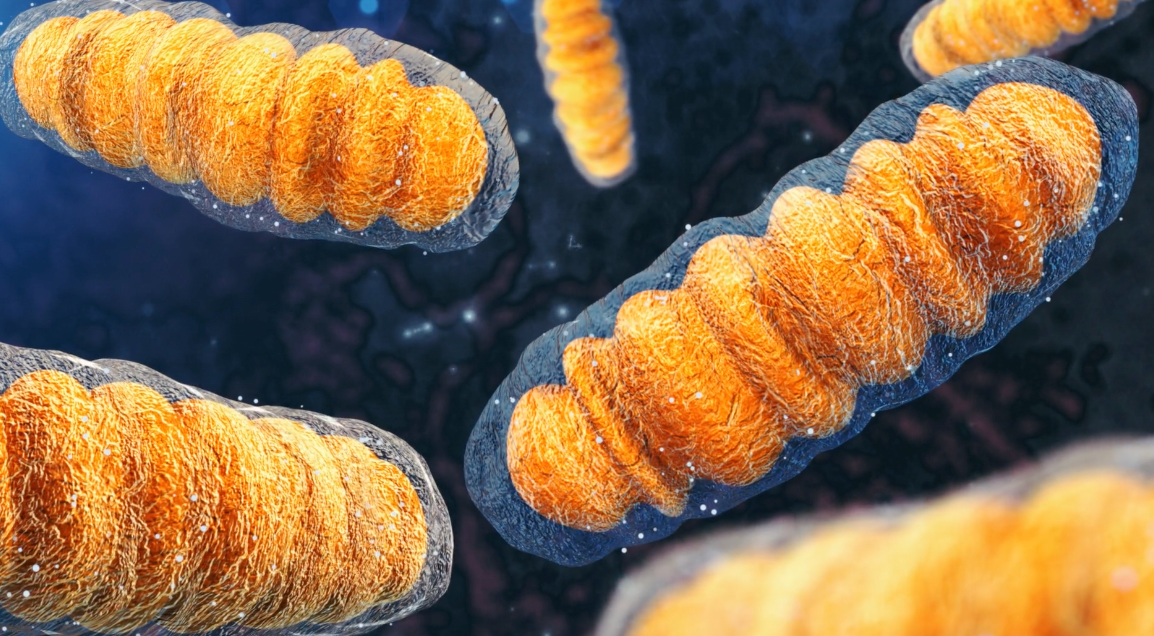
A new study highlights the discovery of a small compound that can activate parkin, a protein often mutated in early-onset Parkinson's disease. By restoring parkin's function, the compound, BIO-2007817, helps remove damaged mitochondria, which are essential for maintaining healthy brain cells. Mitochondria, the cell's powerhouses, generate most of the cell's energy.
The research, led by Kalle Gehring from McGill University and published in Nature Communications, suggests this molecular glue could lead to personalized treatments for Parkinson's patients with specific genetic mutations. Mutations in the PRKN gene, which produces parkin, can impair mitochondrial maintenance, contributing to nerve cell damage and disease progression. Activating mutated parkin may provide a new treatment avenue for younger patients with early-onset Parkinson’s.
Researchers used advanced technology to study how the compound enhances parkin’s ability to tag damaged mitochondria for removal, offering hope for future Parkinson’s treatments.
Comments (0)
Loading comments...