


A new brain atlas opens a clearer path for Parkinson’s treatment
November 4, 2025
Researchers at Duke‑NUS have created a detailed single‑cell map of the developing human brain, known as BrainSTEM, which may overhaul how we model, understand and treat Parkinson’s. The atlas profiles nearly 680,000 individual cells, including those that become the dopamine‑producing neurons of the midbrain — the very cells that are lost or damaged in Parkinson’s.
In Parkinson’s disease, the nerve cells in a region called the substantia nigra gradually die off, disrupting the release of dopamine and triggering symptoms like tremor, slowness, stiffness and balance problems. The new atlas highlights how these midbrain dopaminergic neurons develop in healthy human tissue and provides researchers with a “gold standard” reference for how brain‑cell production should look. In doing so, the study found that many of the current lab‑grown models of these neurons don’t fully match the real human biology — they often contain “off‑target” cells that come from other brain regions rather than the midbrain.
Why does this matter? For cell and tissue‑based therapies (for example, transplanting dopamine neurons, growing replacement cells, or designing drugs that act on those cells), fidelity to real human biology is key. If the neurons we create in the lab don’t look or behave like the ones in the human midbrain, then therapies based on them may fail or produce unwanted effects. The BrainSTEM map gives scientists the tools to check whether their lab‑grown cells are true midbrain dopaminergic neurons, and helps refine protocols to exclude unwanted cell types.
The study also provides open‑access data and tools for scientists around the world to use. This openness means labs everywhere can benchmark their work, refine their methods, and accelerate progress toward reliable therapies. As one of the authors put it, this “data‑driven blueprint” could increase the effectiveness of cell therapies and reduce side‑effects for people with Parkinson’s.
What this means for people with Parkinson’s
For those living with Parkinson’s, this development is less about a new pill appearing tomorrow, and more about the foundation for better treatments in the future. It means that the next generation of cell‑replacement therapies, neural implants or drugs targeting specific neuron types could be built on a more accurate model of human brain development. That may translate into therapies that work more reliably, last longer and carry fewer risks.
At the same time, it reminds us that there is no shortcut: building truly effective new treatments takes time, precision and solid biology. The fact that many lab models may have been less accurate than we assumed suggests some previous efforts may have been limited. With this atlas, researchers have a clearer map and fewer unknowns.
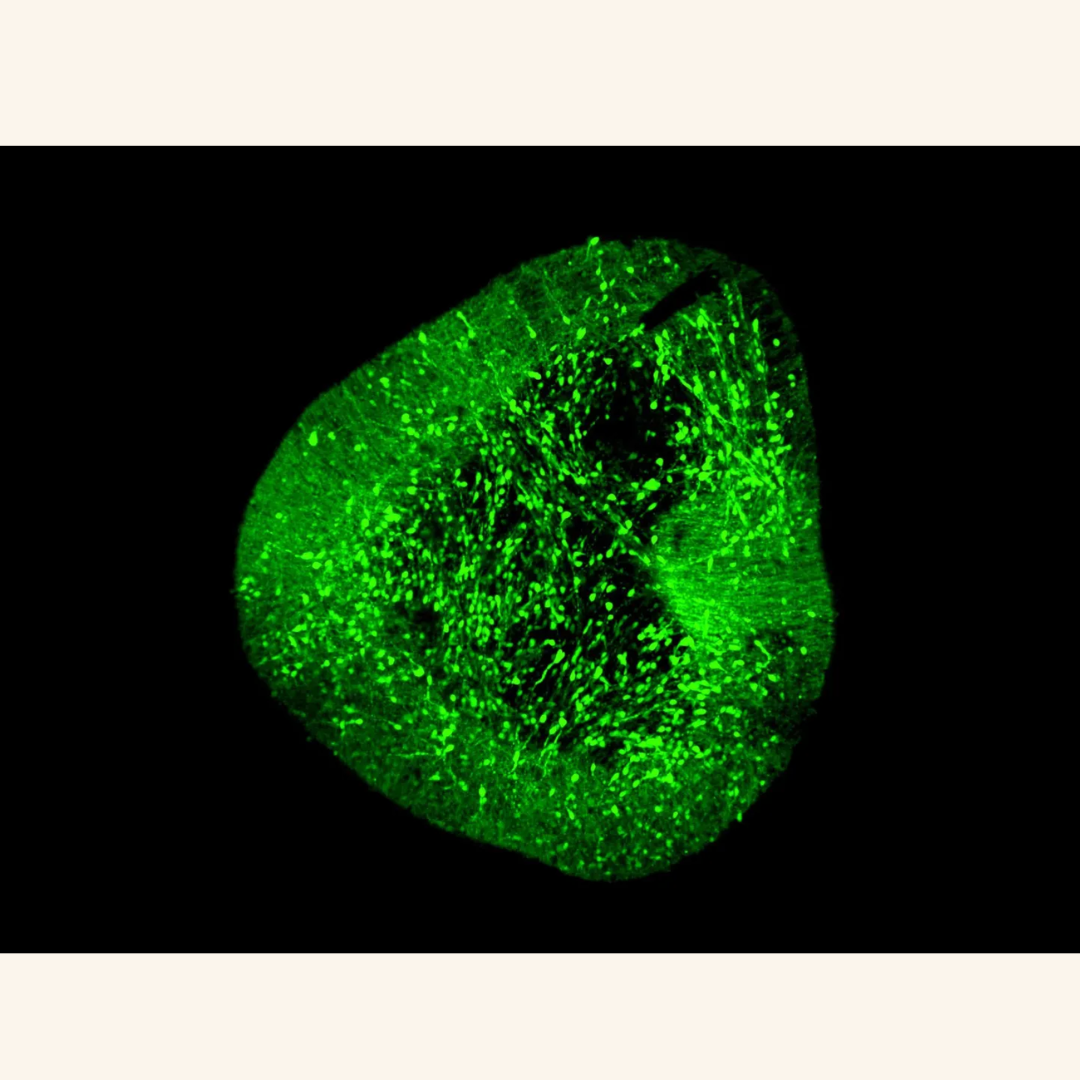
Photo: Midbrain dopaminergic neurons under a microscope. Credit: Hilary Toh, Duke-NUS Medical School
Comments (0)
Loading comments...