


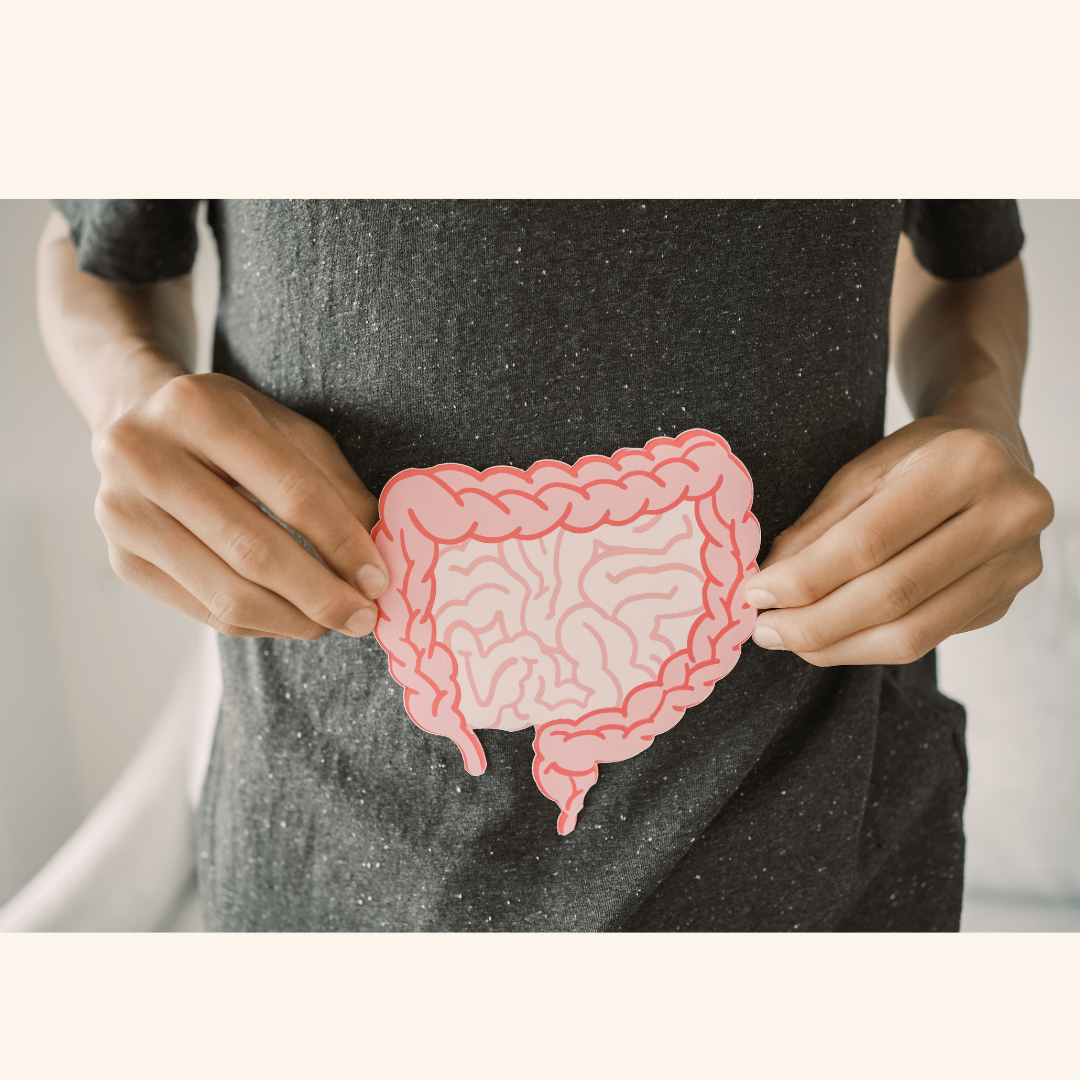
Understanding How the Gut and Brain Might Team Up in Disease
November 17, 2025
Scientists have been saying for years that the gut and the brain communicate, but this new study takes the idea a step further. It suggests that microbes living in the gut may influence the brain not only through chemicals and nerves, but also through the electrical environment inside the intestines. That means the gut may be doing far more than digesting food—it may be quietly shaping what happens in the nervous system over time.
The researchers explored how tiny organisms in the gut interact with electrical signals, immune cells and nerve pathways. In models of neurodegenerative conditions, the gut seemed to shift long before major changes appeared in the brain. Microbes behaved differently, immune responses in the intestines became more active and the electrical landscape of the gut changed in subtle but meaningful ways. These gut changes often mirrored what eventually appeared in the brain, hinting at a deeper connection between the two systems.
For people living with conditions like Parkinson’s, this is a reminder that care does not begin and end with the brain. The gut plays an active role in how the body manages stress, inflammation and communication between nerve cells. It suggests that looking after digestion, maintaining a balanced diet and reducing stress may influence more than just stomach comfort—they may support the wider gut–brain relationship.
Lifestyle habits such as regular movement, good sleep and a varied, fibre-rich diet can all help keep the gut’s environment steady. While none of these are cures, they offer a sense of agency in day-to-day life. Paying attention to gut-related symptoms and sharing them with a clinician may also be more important than people realise, because those signals might reflect changes in a system that talks directly to the brain.
This study doesn’t offer quick fixes, and it doesn’t suggest that gut care can halt a neurological condition. What it does offer is a clearer picture of how the body’s systems work together. It shows that the brain is not acting alone but is part of a wider network that includes the digestive system and the microbes that live there.
The big message is simple: what happens in the gut matters, perhaps more than anyone thought. For people already living with Parkinson’s or similar conditions, this research adds another piece to the puzzle, giving a broader perspective on how to support the body in everyday life.
Comments (0)
Loading comments...