


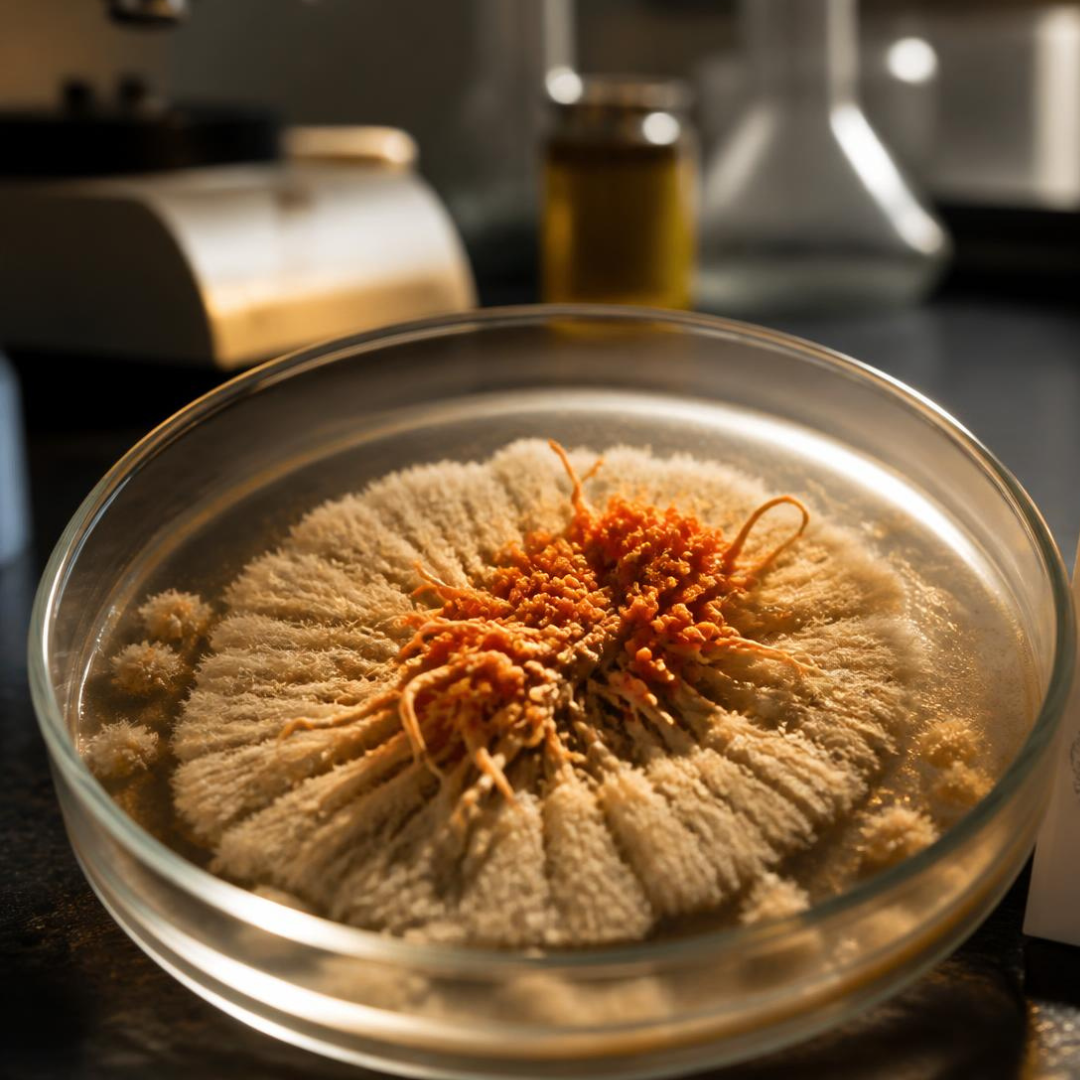
Fungal compound shields brain cells and restores movement in Parkinson’s models
September 16, 2026
 Beatrice
Scientists have discovered that a rare compound produced by fungi can protect brain cells and reverse movement problems in animal models of Parkinson’s.
Deep inside our brain cells sit microscopic power stations called mitochondria. Their job is to churn out the energy that allows neurons to communicate and keep our bodies moving smoothly. In Parkinson’s, these tiny engines often falter, run out of steam, and leak toxic stress molecules, which eventually causes dopamine-producing cells to die off.
Looking to nature for answers, researchers isolated a unique molecule called CL0179 from a fungal strain to see whether it could shield these vital powerhouses. When they exposed human brain cells to severe toxins in the laboratory, the results were striking. The fungal compound acted like a protective blanket, keeping the cellular power stations running, reducing toxic stress, and preventing the cells from dying.
The team discovered that this fungus-derived molecule works by activating a master survival switch inside our cells known as SIRT1. When this switch is turned on, cells become remarkably resilient, repairing internal wear and tear and clearing out harmful protein build-up.
Because harvesting large amounts of the compound directly from wild fungi is tricky, the chemists designed an improved laboratory version named CL0670. Crucially, this new version easily crossed the protective blood-brain barrier. When given to mice with Parkinson’s-like symptoms, it shielded their dopamine pathways, restored damaged brain regions, and noticeably improved their mobility.
While there is still a road ahead before clinical trials in people can begin, this research highlights an exciting shift in approach. Instead of merely managing symptoms, tapping into the clever chemistry of fungi could one day give us the tools to keep the brain's internal engines healthy and protect vital cells for the long term.
Comments (0)
Loading comments...