


Harnessing Plant Power to Clear Cellular Clutter in Parkinson’s
March 1, 2026
A study recently published in the journal Developmental Cell has identified a specific plant protein that could offer a new strategy for clearing the toxic protein build-up associated with Parkinson’s. While research often focuses on human biology, this study looked toward the botanical world to understand how cells "clean" themselves, discovering a mechanism that might be adapted to help protect human neurons.
The research centres on a process called autophagy—the body’s internal recycling system. In a healthy cell, autophagy identifies damaged components or toxic proteins and breaks them down. In Parkinson’s, this system often falters, allowing harmful proteins like alpha-synuclein to clump together, eventually leading to the death of dopamine-producing neurons.
The Discovery of a New "Cleaning" Receptor
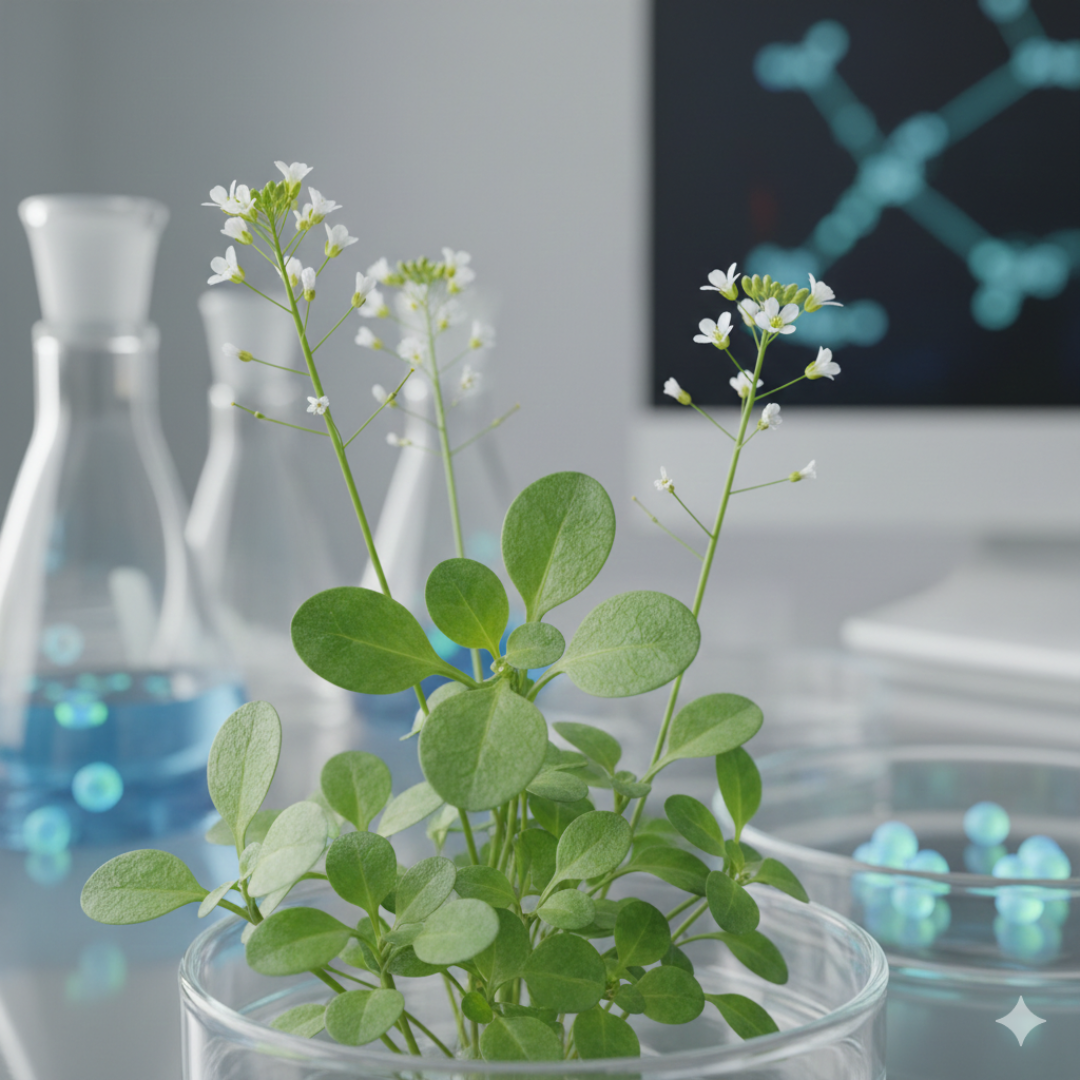
Scientists investigating the hardy Arabidopsis thaliana (thale cress) plant discovered a unique protein module that acts like a highly specific "waste adaptor." This module, known as the C53 receptor, is particularly adept at identifying and clearing out P-bodies—clumps of proteins and RNA that can become toxic if they are not recycled properly.
The significance of this find lies in the "lineage-specific" nature of the receptor. This means the plant has evolved a very precise way to target these specific protein clumps that human cells sometimes struggle to manage. By studying how this plant protein triggers the "self-eating" process to destroy toxins, researchers believe they have found a blueprint for a new type of therapy.
Why This Matters for the Parkinson's Community
The Parkinson's community is well-known for its proactive nature, often sharing lifestyle "hacks" and supporting research that moves beyond traditional symptom management. This discovery fits into that spirit of innovation, suggesting that we might find solutions to complex neurological problems in unexpected places, like common garden plants.
If scientists can find a way to mimic or activate a similar receptor in the human brain, it could lead to a "cellular detox" treatment. Rather than just replacing lost dopamine, such a therapy would aim to prevent the damage in the first place by keeping the cellular environment clean and functional.
A New Direction for Neuroprotection
This research shifts the focus toward enhancing the brain's natural resilience. It suggests that the inability to clear "cellular trash" is a primary hurdle in the condition, and that plants might hold the key to unlocking better waste management in human cells.
While this work is currently in the early stages, it reinforces the idea that the path to a disease-modifying treatment may involve boosting the body's own recycling systems. For those living with the condition, it provides another layer of evidence that staying active and maintaining a healthy, plant-rich diet may support the very cellular processes that researchers are now working to enhance through science.
Comments (0)
Loading comments...