


New Study Finds Listerin Could Help Treat Parkinson’s Disease
February 13, 2025
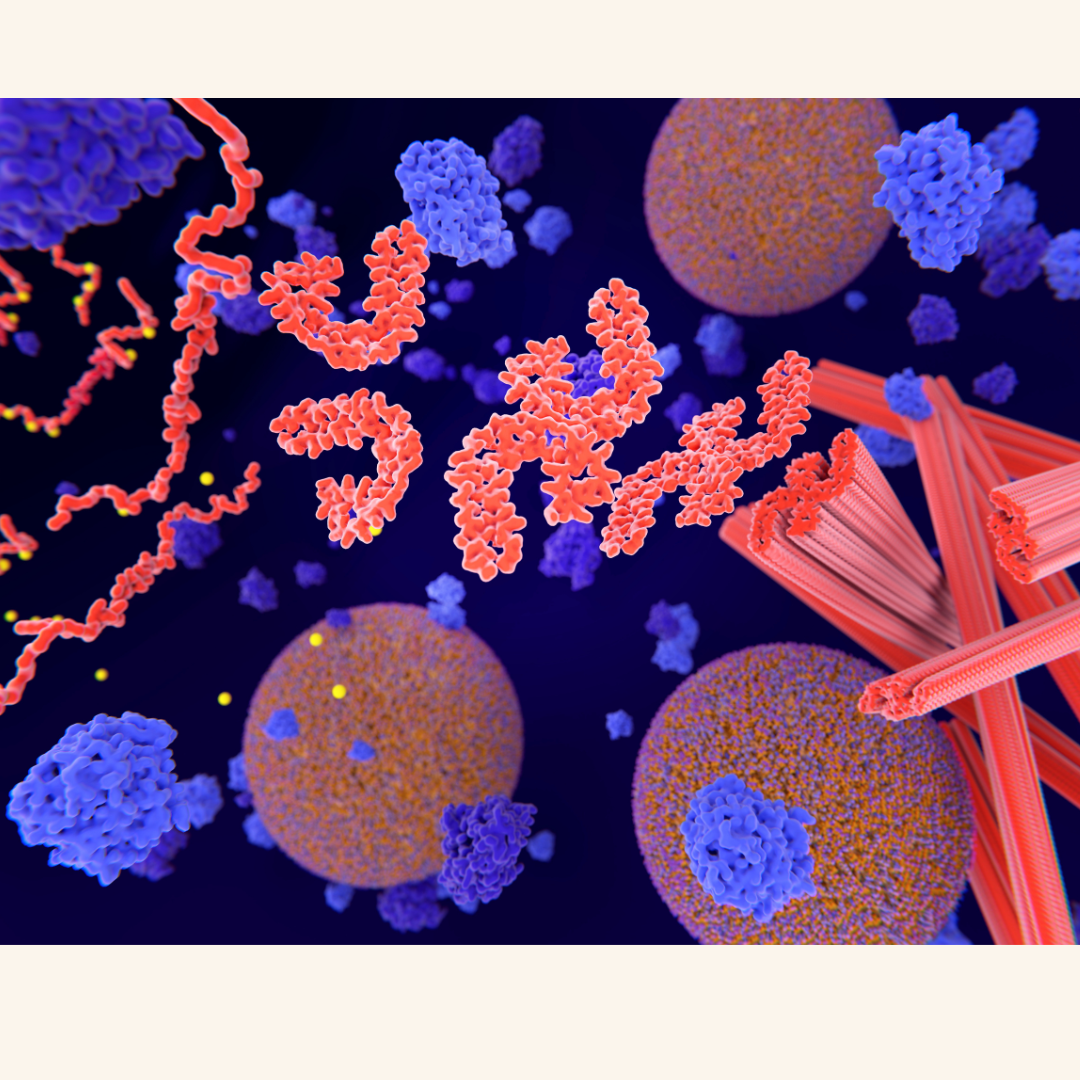
A recent study has discovered that a protein called Listerin may play a crucial role in protecting the brain from Parkinson’s disease. Scientists found that Listerin helps break down harmful proteins linked to the disease, offering a potential new approach to treatment.
Understanding Parkinson’s Disease
Parkinson’s disease is a condition that affects movement, causing symptoms like tremors, stiffness, and difficulty walking. It happens when certain brain cells that produce dopamine—a chemical essential for movement—gradually die. One of the biggest culprits behind this cell death is a protein called alpha-synuclein, which clumps together inside brain cells and disrupts their function.
How Listerin Helps
Researchers discovered that Listerin helps remove these toxic protein clumps through the ESCRT pathway, a system in cells responsible for sorting and disposing of unwanted materials. Listerin works by tagging alpha-synuclein with a special marker called ubiquitin, signaling the cell to break it down before it can cause damage.
In experiments with mice, scientists found that when Listerin was missing, Parkinson’s symptoms worsened, and harmful protein buildup increased. However, when Listerin levels were boosted, symptoms improved, and the toxic proteins were cleared more effectively. This suggests that Listerin plays a protective role in brain health.
A Potential Breakthrough
This discovery is exciting because it reveals a new way to fight Parkinson’s disease. If scientists can find a way to safely increase Listerin activity in human patients, it could slow or even prevent the progression of the disease. More research is needed, but this study provides hope for new treatments in the future.
For now, experts continue to explore how this protein works and whether it can be used to develop therapies for people living with Parkinson’s disease. If successful, Listerin could become a key target for future drug development, bringing us one step closer to a cure.
Comments (0)
Loading comments...