


Exploring Modifiable Factors in Parkinson's Disease
December 26, 2024
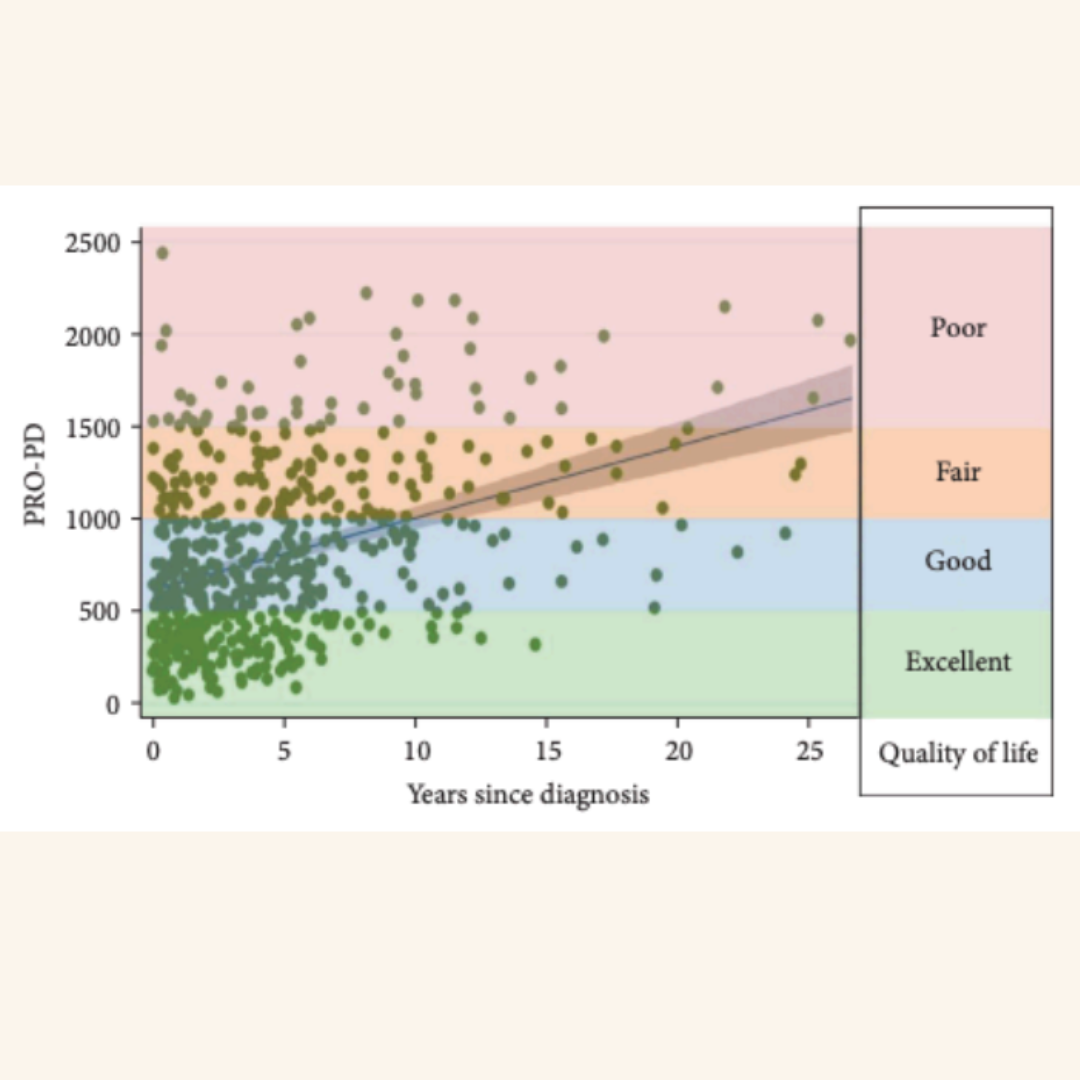
The Modifiable Variables in Parkinsonism (MVP) Study, led by Dr Laurie Mischley, is a groundbreaking 10-year research project that aims to identify factors that can influence the progression of Parkinson's disease and related conditions. This is an interesting study with a wealth of data to digest and learn from. Unfortunately, there is no summary or conclusion provided, but it is worth taking the time to go through it, particularly to examine the charts. Here is a summary we have prepared for you.
The MVP Study, which began in 2013, is based on the 'positive deviance' model. This approach seeks to understand why some individuals with Parkinson's disease fare better than others, despite similar circumstances. The study has enrolled over 3,500 participants, primarily those with idiopathic Parkinson's disease, but also includes individuals with other forms of parkinsonism.
Disease Characteristics
Many participants report having symptoms for years before receiving a formal diagnosis.
Approximately 85% of study participants have idiopathic Parkinson's disease.
The study includes small numbers of participants with other forms of parkinsonism, such as multiple system atrophy (MSA), progressive supranuclear palsy (PSP), and dementia with Lewy bodies (DLB).
Key Findings
Participant Demographics: The average age of participants is around 65 years old.
Most participants are well-educated, with many having graduate-level education.
The majority of participants are Caucasian and married.
Participants come from 57 different countries, though most are from English-speaking nations.
Importance of Early Intervention
The study's interest in 'prodromal' Parkinson's - those at high risk but not yet diagnosed - indicates that early interventions might be crucial. This could include dietary changes, supplement use, or specific activities implemented before formal diagnosis to potentially slow or alter disease progression.
Individualised Approaches
Given the study's recognition of the diversity in symptoms and progression rates among participants, it's likely that future recommendations for managing symptoms and slowing progression will need to be tailored to individual cases.
While the summary doesn't provide specific strategies for better symptom management or slowing progression, it lays the groundwork for identifying these factors in the future. The long-term nature of the study and its focus on modifiable variables suggest that valuable insights into diet, supplements, and activities that may help manage Parkinson's symptoms and slow progression are likely to emerge as the research continues.
Disease Progression: Many participants report having symptoms for years before receiving a formal diagnosis.
The study uses a novel scale called the Patient Reported Outcomes in Parkinson's Disease (PRO-PD) to measure symptom severity. This scale has been independently validated by researchers in Sweden.
The studies highlight several lifestyle factors affecting Parkinson's symptoms:
- Food and Finances: Difficulty affording healthy food and being overweight are linked to more severe symptoms. The team wonders if solutions like healthy meal deliveries could help.
- Loneliness: Lonely people report worse symptoms than those with strong social connections. In fact, being lonely had a bigger negative impact than regular exercise had a positive one!
- Gratitude: People with higher gratitude levels experience fewer symptoms than those with low gratitude.
- Relationships: Single people are more likely to report lower quality of life. The goal is to find ways for single individuals to benefit from companionship without needing a partner.
- Exercise: Regular physical activity, especially at least three days a week, is linked to fewer symptoms. Activities like yoga appear particularly beneficial.
A few other observations based on the respondents' answers:
Supplements and Nutraceuticals:
Studies on supplements face challenges due to quality inconsistencies and unregulated contents.
Preliminary findings:
- Ginkgo biloba users (n=19) had significantly better PRO-PD scores, though results may be influenced by confounding factors.
- Melatonin showed mixed results: worse overall symptoms, but among poor sleepers, fewer accumulated symptoms over time.
Pharmaceuticals:
- Rasagiline: Associated with fewer symptoms over time when adjusted for demographics.
- Levodopa: Statistically significant improvements in 15/33 symptoms, though some non-motor symptoms like anxiety worsened.
Deep Brain Stimulation (DBS):
Benefits: Improved tremor, sleep, and dyskinesia.
Drawbacks: Worsened sexual function and cognitive confusion in some participants.
Food and Dietary Habits:
Behaviors linked to fewer symptoms: cooking meals, buying locally, and eating organic.
Negative associations: obesity and drinking from plastic bottles.
Specific Diet Insights:
- MIND Diet: Strongly associated with reduced non-motor symptoms (e.g., anxiety, depression, constipation).
- Mediterranean Diet: Shared beneficial components with MIND but included some foods (e.g., poultry, sofrito) linked to worse outcomes.
Food-Specific Observations: Foods positively associated with better outcomes: fish, nuts, beans, fresh vegetables, quinoa (better handwriting), wine (better overall function). Foods negatively associated: ice cream (hallucinations), canned fruit (worse balance).
Challenges and Future Directions: The study needs more participants from diverse ethnic backgrounds and those with less common forms of parkinsonism. There's a new focus on recruiting individuals with 'prodromal' Parkinson's - those at high risk but not yet diagnosed. The researchers aim to identify early symptoms that could lead to earlier diagnosis and potentially reduce the risk of developing Parkinson's.
Implications
This long-term study is providing valuable insights into how various factors might influence the course of Parkinson's disease. By understanding what helps some people manage their symptoms better, researchers hope to develop new strategies for improving the lives of all those affected by Parkinson's and related conditions.
The MVP Study represents a significant shift in Parkinson's research, moving away from the view that the disease is always progressive and irreversible. Instead, it suggests that there may be ways to modify its course, offering hope for better management and potentially even prevention strategies in the future.
Comments (0)
Loading comments...