


Fat Molecules in the Brain: Could They Be Key to Understanding Parkinson’s?
June 27, 2025
A new study from the U.S. is shedding light on something unexpected but potentially important in Parkinson’s disease: fat molecules in the brain.
Scientists have discovered that people who had Parkinson’s showed clear changes in the levels of certain fats—also called lipids—in a key part of the brain. These changes could be involved in the development and progression of the disease, and may one day help with earlier diagnosis or new treatment ideas.
Let’s break it down.
🧪 What Did the Scientists Study?
The team, led by researchers from Corewell Health Research Institute in Michigan, analysed postmortem brain tissue from:
40 people with Parkinson’s, and
43 people without, matched by age and sex.
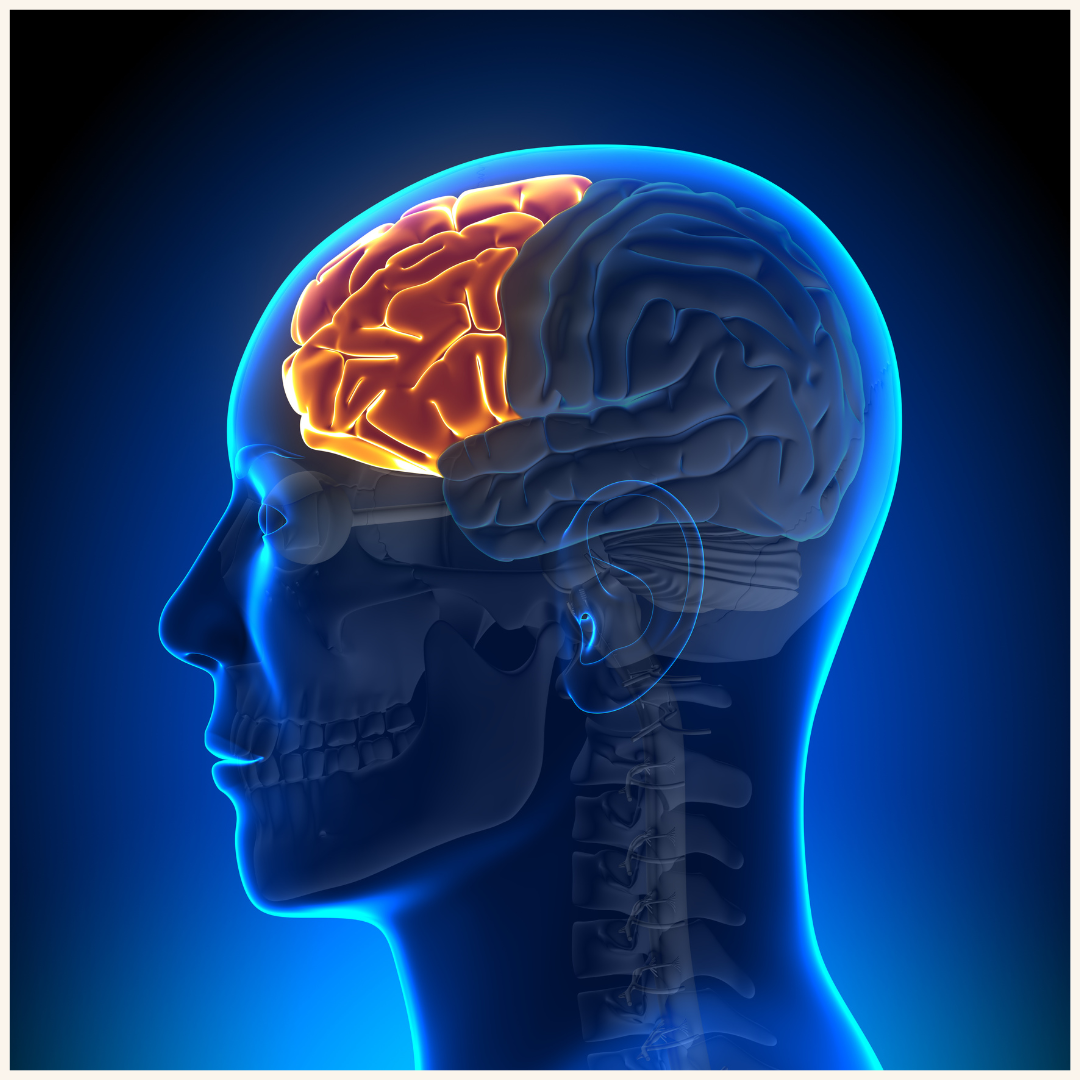
They focused on a part of the brain called the primary motor cortex, which is heavily involved in movement and motor control—the very areas Parkinson’s affects.
Using high-tech chemical analysis, they looked at hundreds of types of lipids in this brain region and compared the two groups.
📉 What Did They Find?
They found that 95 types of fat molecules were significantly different in people with Parkinson’s.
Two key types stood out:
1. Triacylglycerols (TAGs) – Higher in Parkinson’s brains
TAGs are fats usually used by the body for storing energy.
But in Parkinson’s brains, TAGs were elevated.
This may suggest the brain is not processing fats properly, or its energy system is out of balance.
These fats are also known to interact with alpha-synuclein, the toxic protein that clumps in Parkinson’s brains—so it may not be a coincidence.
2. Lysophosphatidylcholines (LPCs) – Lower in Parkinson’s brains
LPCs help maintain the structure of nerve cell membranes.
Low levels could mean brain cells are weaker, more fragile, and more likely to get damaged.
This could contribute to nerve cell breakdown, which is a hallmark of Parkinson’s.
🧬 What Does This Mean?
These fat imbalances could be more than just side effects—they may be part of what’s driving the disease.
In simple terms:
Too much of the wrong fats (like TAGs) and too little of the right ones (like LPCs) could be messing with how brain cells function, store energy, protect themselves, and respond to inflammation.
This might help explain why nerve cells in Parkinson’s start to die off.
It also points to new possibilities:
Could we spot these fat changes earlier?
Could they become a new way to diagnose or track Parkinson’s?
Could future treatments aim to rebalance them?
We don’t know yet—but the researchers believe it’s worth investigating.
🔍 Are There Differences Between Men and Women?
Interestingly, yes.
Parkinson’s tends to affect more men than women, and this study found that the lipid changes were also different by sex. That means men and women with Parkinson’s might not just experience symptoms differently—they may have different brain chemistry.
That’s important, because it could lead to more personalised treatment in the future.
🤖 How Accurate Is This Test?
The researchers even used machine learning models (a kind of AI) to test how well lipid patterns could tell who had Parkinson’s and who didn’t.
They correctly identified over 75% of Parkinson’s cases
And over 85% of people without the disease
Not perfect—but quite promising for a first step.
🧪 What’s Next?
This was a small study, using brains donated after death. That means:
It’s a great starting point, but we can’t jump to conclusions just yet.
The results need to be confirmed in larger, more diverse studies.
Future research might explore if these fat molecules can be found in blood or spinal fluid, which would make testing much easier.
The researchers are clear: these lipid changes might not be the cause of Parkinson’s, but they’re certainly worth exploring.
Comments (0)
Loading comments...